In negotiating with other lawyers, you can rely on their word and what they represent to you because they have certain ethical obligations. Switching to the business world (and especially the entertainment industry) it took me a little bit of time to remember, people’s word is not the same in this world.
Business
John Nelson of LFM Management on Translating Legal Strategy to Talent Management and Building Rural Creator Hubs
The former criminal defense attorney turned talent CEO shares how his unique career pivot enabled him to bring digital opportunities to underserved rural communities.
Career development is the ongoing process of choosing, improving, developing, and advancing your career. This involves learning, making decisions, collaboration with others and knowing yourself well enough to be able to continually assess your strengths and weaknesses. This can be challenging enough when you work in an office, but what if you work remotely? How does remote work affect your career development? How do you nurture and advance your career when you are working from home and away from other colleagues? How can you help your employees do this? To address these questions, we started an interview series called “How To Advance and Enhance Your Career When You Are Working Remotely”. As a part of this interview series, I had the pleasure of interviewing John Nelson.
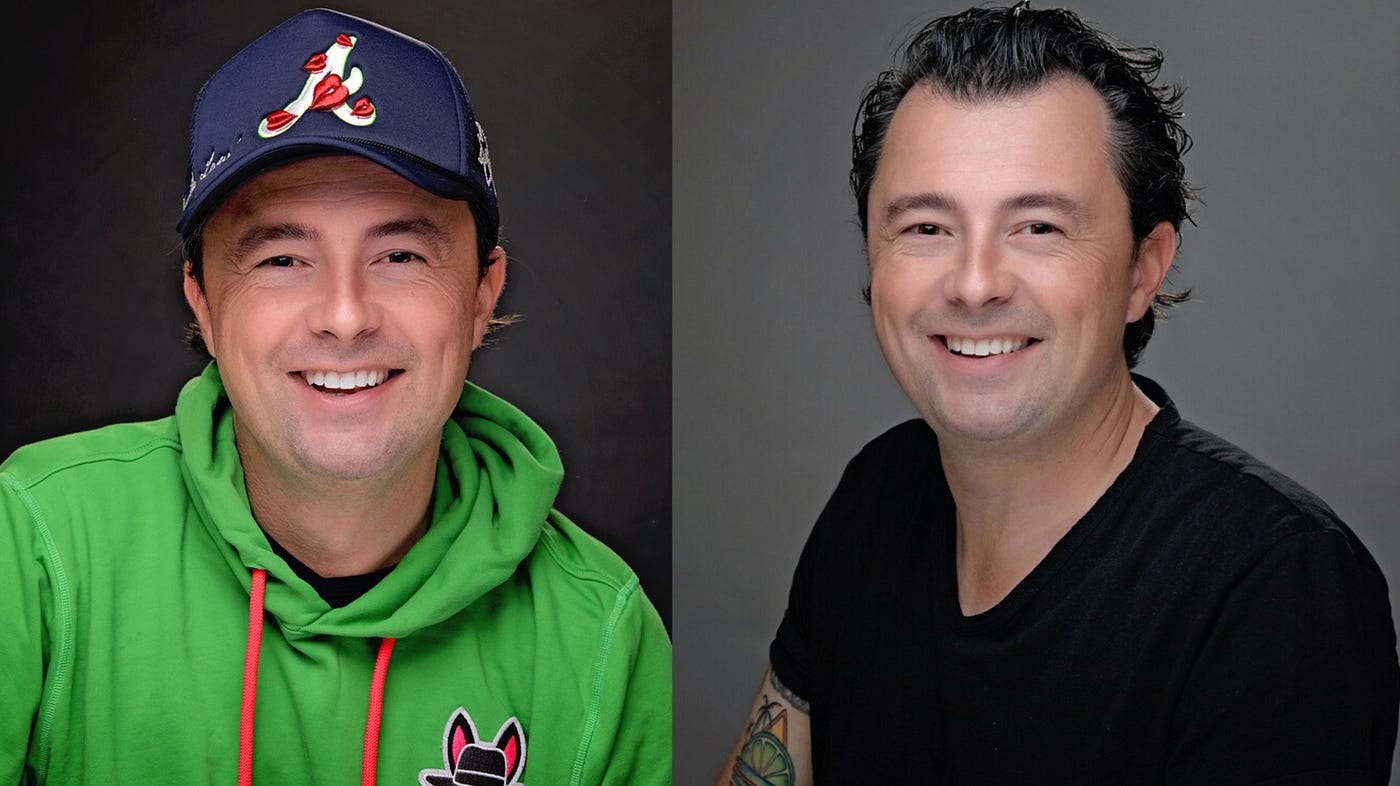
John Nelson is the founder and CEO of LFM Management. Originally a criminal defense attorney and author of a NY legal treatise on DWI, John transitioned to talent management in 2018 as the owner of LFM Management. John is not afraid to take on new challenges and has had a wide array of experiences including working as a DJ and a college professor. This ability has allowed him to develop his unique skill set and take the plunge into talent management. When he’s not in the office, John enjoys spending time on the lake with his family.
Thank you so much for joining us in this interview series! Can you tell us a story about what brought you to this specific career path?
My first client was Keemstar. He had been a lifelong friend. We were DJ’s and huge Halo gamers together. I got the bright idea to go to law school and he became famous through his in-game ‘trash talk’. After law school, I was his attorney. During the Fortnite craze and his success with Friday Fortnite, we decided to work together again on a temporary basis. Quickly, I had success with the sale of the podcast “Mom’s Basement,” to Spotify as a Spotify Original. When we first started, when introducing me, Keemstar would say, “This is my friend, I guess, Manager, Lawyer, etc.” And that was how LFM was started. That would’ve been FML, lol. But I couldn’t obviously call it that.
Can you share the most interesting story that happened to you since you began this career?
I was riding in my car talking to someone who was also working in the content creator space. We were talking about our favorite shows, and I mentioned how much I loved FaZe Banks and Keemstar’s youtube show, Mom’s Basement. Without asking, he looped me into a call with the producer of some very well-known and successful TV shows (and one of my all-time favorite shows and producers). I was unprepared for the call and annoyed that he connected me without my permission. Anyway, the producer watched the show while on the call and told me it wouldn’t go anywhere. We sold the show to Spotify two months later. I never thought I would have talked to that person, never would’ve thought they told me our show was terrible and I definitely never thought I would’ve had the success I did later.
Can you share a story about the funniest mistake you made when you were first starting?
I was on a phone conference with a “Howie” and five other people. I didn’t realize it was the Howie Mandel, until about ten minutes into the call. But he did end the call with, “so, deal or no deal?”
Can you tell us what lesson you learned from that?
There’s a common misconception that lawyers are dishonest, which in my experience is farthest from the truth. In negotiating with other lawyers, you can rely on their word and what they represent to you because they have certain ethical obligations. Switching to the business world (and especially the entertainment industry) it took me a little bit of time to remember, people’s word is not the same in this world.
You have been blessed with success in a career path that can be challenging. Do you have any words of advice for others who may want to embark on this career path, but seem daunted by the prospect of failure?
In this field having connections with creators and knowing industry members is huge. Make sure you are well versed in how everyone interacts with each other and start building relationships before you make the full transition. I was very lucky to have strong relationships with some of the biggest creators in the space who were able to open even more doors. It’s a lot of late nights and there will be failures but they help you grow.
Ok super. Let’s now jump to the core focus of our interview. Can you describe to our readers how you are using your platform to make a significant social impact?
My community is very important to me and my family. I have been able to support several community activities through my platform. For example, LFM partnered with Donut Operator, to help a local skate park cross its fundraising finish line through a $15,000 donation. I was lucky enough to get one of the Tony Hawk Blood Boards. Donut owns a skate shop in Fort Mill South Carolina and has a collection of Skateboards. He was adamant he wanted to buy mine. In lieu of selling it to him, I told him if he donated $10k to our local skate park, I would give it to him. I was so moved by his generosity, we donated another $5k.
I have been blessed to work in this creator world.
Can you tell us a story about a particular individual who was impacted by this cause?
Not an individual, but our town, Ellicottville. The Skate Park project is a huge opportunity for the locals and tourists of our village. Living in Cattaraugus County, New York we don’t have as many unique opportunities for children as large metropolitan areas, so this will impact generations.
I have had multiple opportunities to move the business out of our area to LA, but I see it as a vehicle to bring content creation to a very underserved area. The number one job children want is to be a YouTuber or a vlogger. Very few will be able to achieve that dream, but there are so many more opportunities for them connected to that industry, whether that is as a manager, editor, producer, or sales. We now have six employees who never would have had a chance to work in this industry and it has changed their lives.
Are there three things the community/society/politicians can do to help you address the root of the problem you are trying to solve?
Internet infrastructure is so important for small communities. It is just as important as good roads. Communities and politicians need to focus on ensuring quality internet access for everyone to facilitate more opportunities.
Was there a tipping point that made you decide to focus on this particular area? Can you share a story about that?
My success as a defense attorney was finding creative ways to resolve issues for everyone. I discovered that finding unique opportunities for creators that work for all parties was really the same skill set.
What specific strategies have you been using to promote and advance this cause? Can you recommend any good tips for people who want to follow your lead and use their social platform for a social good?
Our new LFMhq will have a micro gaming and creator center to facilitate opportunities for young creators and gamers starting out. Because of the geography of our rural area, quality internet is limited and this center will provide this for people in the area. Moreover, it gives them access to gaming computers and supports that they otherwise could not have.
What are your “5 things I wish someone told me when I first started” and why? Please share a story or example for each.
- Don’t count your eggs before they hatch. There will be deals that fall apart but you have to keep going and decide to either try to salvage the project or move on. It will hurt, but focusing on the big picture can get the team through to the other side.
- Look from more than one perspective. I’ve learned that I need to approach deals and opportunities from the perspective of the creator, the brand, and the consumer. Every party has its own goals and being successful means marrying those goals.
- The future is creators and YouTube. It’s still the wild west and early into the creator ecosphere, but I wish I had started earlier. As traditional media becomes more and more of a dinosaur, creators will become the main outlet for change and influence.
- Being a Dad and Husband: The hardest part of managing talent is managing the work-life balance. I do everything for my family, but time gets short, and ensuring their day-to-day needs sometimes get lost in the sauce of taking care of your client’s needs. I wish I learned earlier to set aside no phone time for my family earlier in this career.
- You can be successful without living in a big city. I always thought that you needed to live in LA to connect with the industry and influencers. It has changed so much, and now it doesn’t matter where you are based. For example, We represent some of the top creators and only a handful live in LA.
You are a person of enormous influence. If you could inspire a movement that would bring the most amount of good to the most amount of people, what would that be? You never know what your idea can trigger. :-)
The internet is full of negativity and I think people get lost in it. I love the internet meme, “Go Touch Grass.” I’d love to make that a real movement, “get off your phone or computer, and go to touch some grass for a bit and connect with people and the earth.”
Can you please give us your favorite “Life Lesson Quote”? Can you share how that was relevant to you in your life?
Fred Jung said, “Sometimes you’re flush and sometimes you’re bust, and when you’re up, it’s never as good as it seems, and when you’re down, you never think you’ll be up again, but life goes on.”
It always puts things in perspective. When you’re down and thinking things are over, they aren’t, your family and friends are still here, and you’re still on this side of the dirt.
Is there a person in the world, or in the US whom you would love to have a private breakfast or lunch with, and why? He or she might just see this, especially if we tag them. :-)
My dad. I Would love to have had a meal with him before he was severely injured, disabled and then passed away. I’d like to get his thoughts and advice on everything and to just share my experiences with him.
How can our readers further follow your work online?
Readers can follow our Twitter, @LFMTalent, or visit our website, LFM.tv.
Thank you for these great insights! We wish you continued success.

Published inAuthority MagazineTop Lessons, Top Authorities · 42K Followers
Exclusive, curated interviews with the leaders and changemakers shaping tomorrow. Leadership lessons, industry deep dives, and executive profiles.