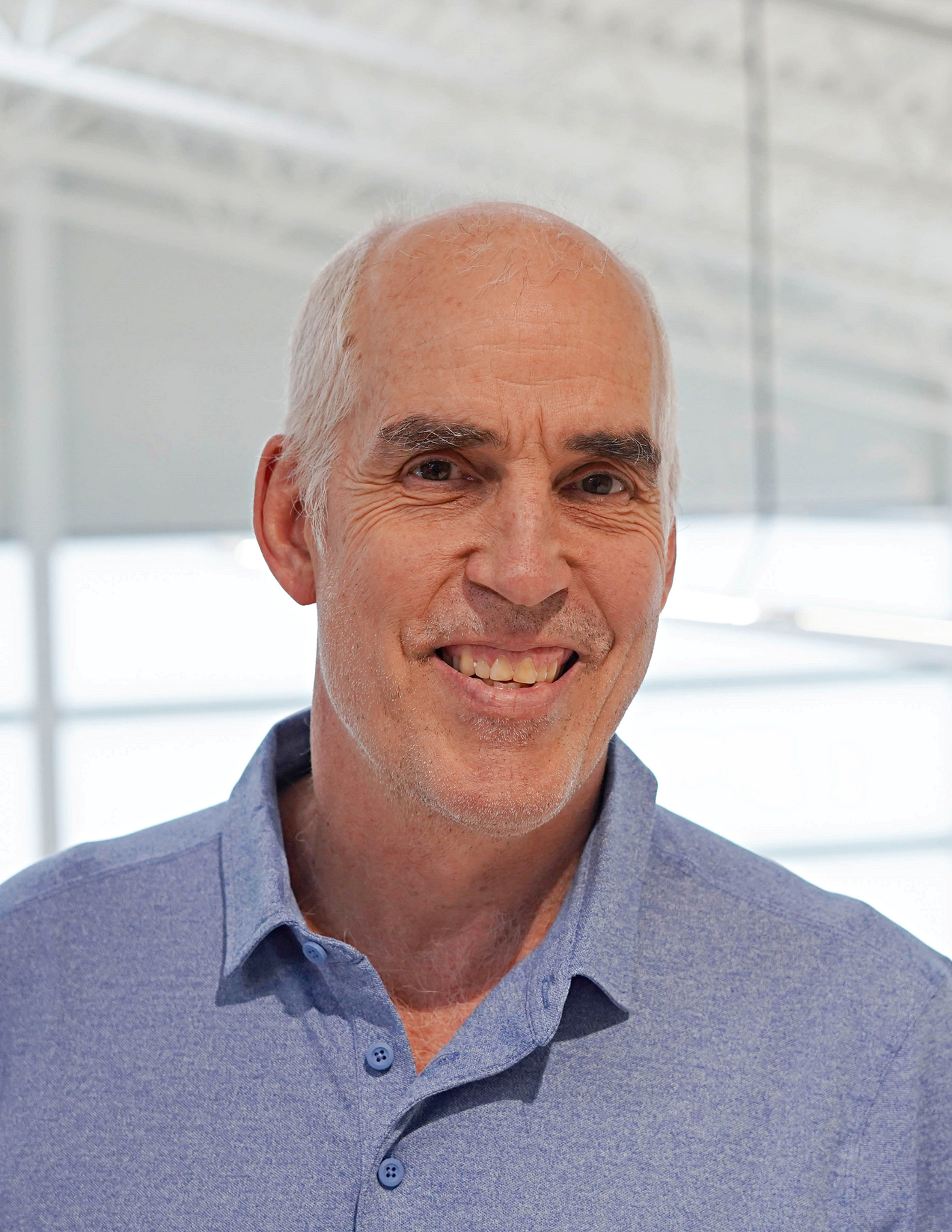
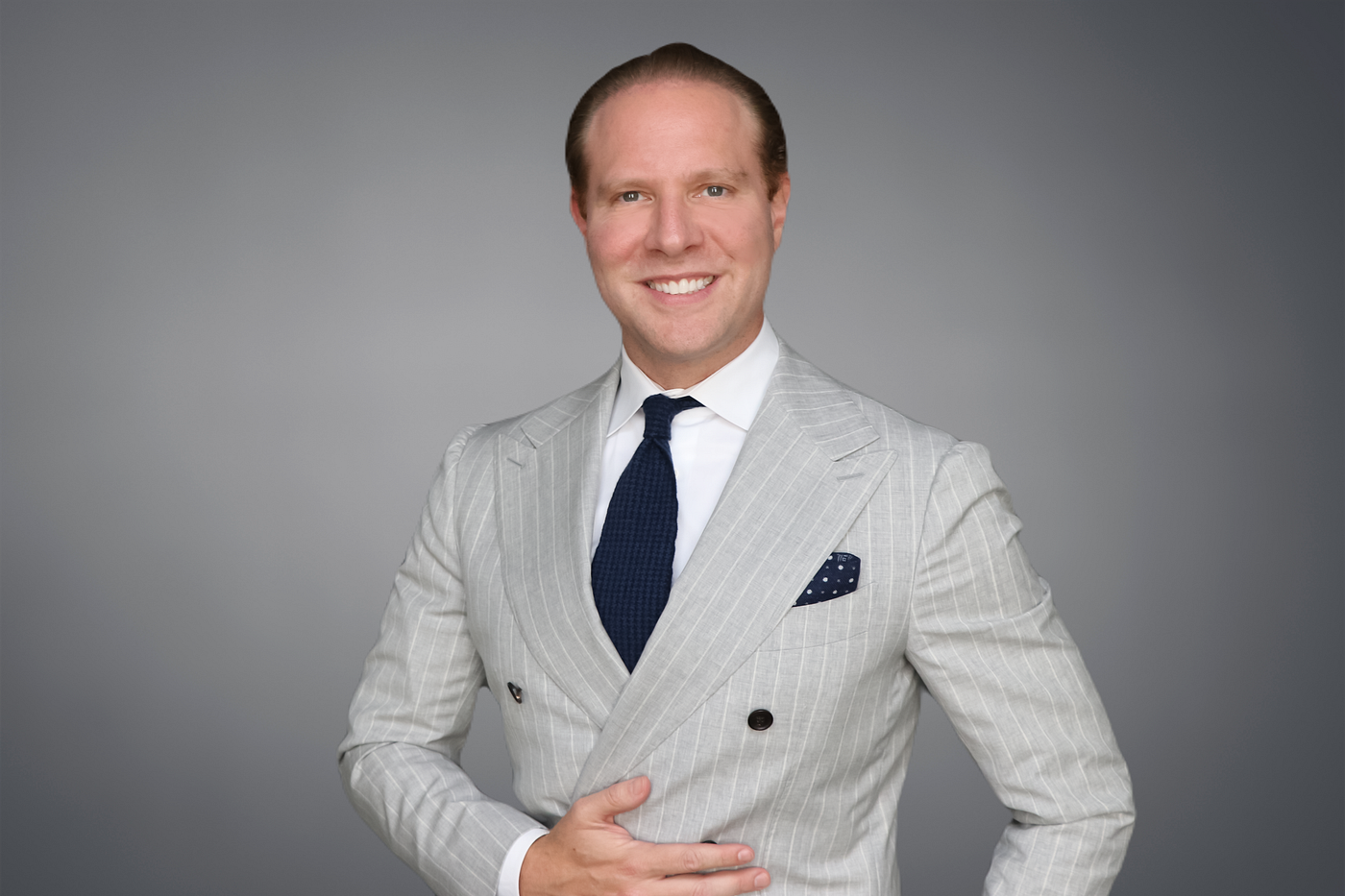
The best sales teams and professionals that I’ve worked with in my career are the ones that always strive to get better and never settle for just doing the minimum.
Business
John Kennedy of Lincoln Financial Group: Inside the Strategy to Leverage Data and Digital Tools for High-Performance Sales Teams
John Kennedy shares how Lincoln Financial Distributors combines continuous training, data-driven insights, and a lifetime learner mindset to cultivate elite sales professionals.
A strong, high-performance sales team is critical to a successful business. But what makes a sales team successful? What strategies can leaders use to create a highly successful sales team? To address these questions, in this interview series, we are talking to CROs, marketing leaders, and sales leaders about “How To Turn a Good Sales Team into a Great One.” As a part of this series, I had the pleasure of interviewing John Kennedy.
John Kennedy is an executive vice president at Lincoln Financial Group, a leading insurance and retirement company based in Radnor, PA. In his role, John leads the company’s sales and marketing organization, Lincoln Financial Distributors, focused on Retirement Solutions, Life Insurance and Executive Benefits and Long-Term Care Solutions. In addition, he also leads Lincoln’s Brand organization which includes consumer insights, advertising and the company’s sponsorship agreement with the Philadelphia Eagles.
Thank you for doing this with us! Before we begin, our readers would like to learn a bit more about you. Can you tell us the “backstory” about what brought you to this career path?
I’m a native of the Philadelphia area and attended St. Joseph’s University. I wasn’t really sure what I wanted to do after graduation, but I got a job as a manufacturer representative, calling on local restaurants and distributors. I had a passion for sales — from building relationships to being there for my clients and helping to support their businesses, but it wasn’t until I found myself in the financial services industry that I truly realized how amazing this career path was and all the opportunities that are available. For one, I knew almost nothing about insurance or retirement solutions when I started, but these organizations were willing to train me and invest in my career and my development. I was also exposed to centers of excellence like manufacturing, marketing and relationship management and saw firsthand how successful a great partnership can be — that’s been a lesson I’ve taken with me throughout my career.
I worked for a few companies in the financial services and insurance industry before I joined Lincoln Financial Group 15 years ago to lead a sales team responsible for Retirement Solutions products. I took on additional roles leading our Relationship Management team and helping develop many of our long-term strategic partnerships that are critical to our sales success. For the last two years, I’ve served as President of our sales and marketing organization, Lincoln Financial Distributors. It’s unique in our industry to have distribution report directly to the CEO, but that’s how important distribution is to Lincoln’s strategy, and this reporting structure allows us to have a seat at the table on decisions that impact our business. In addition to our sales and marketing organizations, I was also asked to lead our Brand organization, bringing together many of the teams that focus on our go-to-market strategies and how we present our company and our solutions to clients.
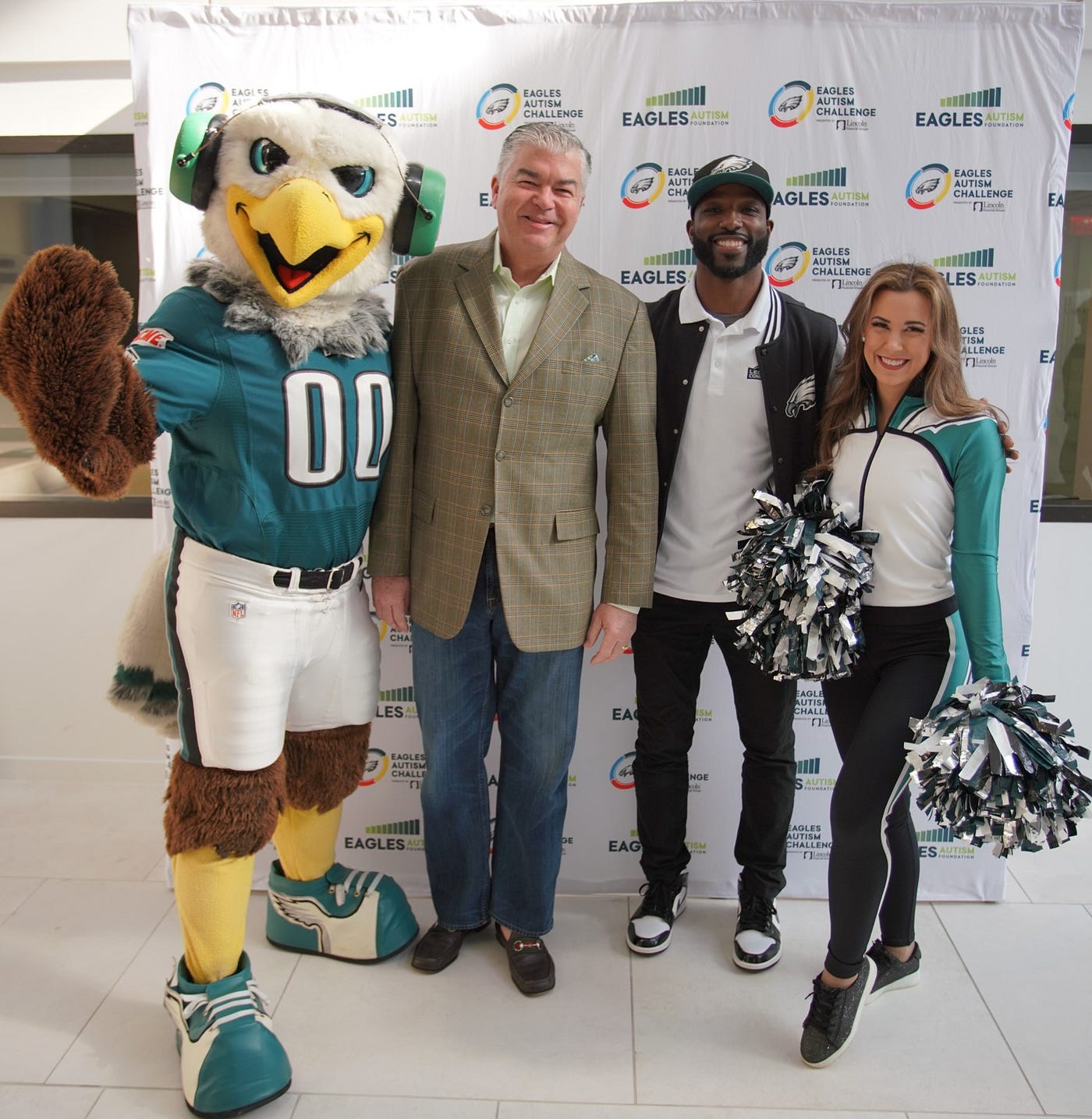
This is my dream job in my hometown. I get to come to work every day and combine my passion for distribution excellence with responsibility for overseeing the growth and evolution of an iconic brand aligned to one of history’s most respected leaders: Abraham Lincoln. And as a lifelong Eagles fan, I’m also so proud of our partnership with the Philadelphia Eagles as the sponsor of Lincoln Financial Field — a partnership that extends well beyond football season and includes community outreach programs like the Eagles Autism Challenge that raises money and awareness for much-needed autism research and care programs for people around the world.
Are you working on any exciting new projects now? How do you think that will help people?
As a young wholesaler coming up in the business, I don’t know that I could have ever imagined the pace of change and evolution that we are seeing in this profession. Technology is reshaping wholesaling and changing the way sales teams across industries engage and interact with their clients. Much of this shift in technology-enabled sales started ahead of the pandemic, but the pandemic really accelerated adoption of digital capabilities and a digital-first approach in everything from marketing to training to engagement. To be clear, technology is not replacing human sales skills and connections, but it’s helping our sales teams be more efficient and effective and improving the overall experience a client has while working with Lincoln.
I can give a few examples of how our digital-first approach is helping our sales teams. First is the evolution of our content strategy. We moved away from printed brochures and materials to more timely and relevant digital content, including value-add resources to help financial professionals have important conversations with their clients. We used these materials as an opportunity to reach out to our financial professionals and clients to really check-in on how they were doing and to be there to provide support and value on topics ranging from health and wellness to financial planning to navigating the markets during times of uncertainty. We’ve now created a library of content that helps our sales teams thoughtfully engage with clients to support better outcomes and relationships.
The second area where we are investing and seeing a huge payoff is in leveraging data and analytics to drive meaningful improvements in sales productivity. We are arming our teams with tools and technology, as well as training, to help them be more targeted in their approach and better able to have consultative discussions on the topics that are most relevant and interesting to their clients.
For the benefit of our readers, can you tell us a bit about your experience leading sales teams? How many years of experience do you have, and what size teams have you worked with?
I’ve led sales teams as small as 60 and as large as 1,000 over the course of my 32-year career. One thing is true regardless of how big or small a sales team might be — you are always going to have a top quartile of performers and some that fall closer to the bottom. I’ve found that the top performers on any team are those who want to be coached. The top performers are lifetime learners and always strive to get better at their skills and their craft — and are happy to reach back and help others achieve success in their sales careers as well.
What do you think makes a sales team great? What strengths or characteristics do you try to cultivate?
It comes down to having a strong culture in your organization. We’ve built a culture at Lincoln that makes us a career destination for top talent, and we have an average tenure of 10+ years for our sales teams. Our culture is built on encouraging training and development, recognizing and rewarding talent and embracing diversity and ways to continue to make the team stronger.
The best sales teams and professionals that I’ve worked with in my career are the ones that always strive to get better and never settle for just doing the minimum. They want to be coached and lean in to training and development, and they freely share their expertise with others to help lift the whole team. It’s why training and development are so critical to our success and why these things are incorporated throughout the year with both formal training and more informal best-practice sharing and skills development.
The other area that is important to our culture is having diversity of thought and experiences and having representation that mirrors the clients and communities we serve. We are doing a lot of work to bring awareness to wholesaling as a career to attract the next generation of leaders to our team, including working with historically black colleges and universities (HBCU), working with industry groups like the Association for Wholesaling Diversity (AWD) and through our own grassroots efforts within Lincoln to better develop the talent we have and highlight career pathing and opportunities.
In your experience, what role does effective communication play in building a successful sales team? Can you share any techniques you’ve used to improve communication within your teams?
Communication is critical to a salesforce. We set an expected cadence for communications and updates for our sales team and then we prioritize additional communication during times of uncertainty or volatility to make sure our teams have the consistent messaging they need.
We kick start our year by coming together at our National Sales Conference in January where we lay out our vision and priorities for the year ahead and get our sales teams energized and engaged for the year.
We also host quarterly town halls to reinforce our strategy and provide important updates aligned to our quarterly earnings results as a publicly traded company. We use these town hall meetings to introduce new leaders across the enterprise to our sales team and bring greater visibility to the support functions and centers of excellence at Lincoln and how they can work collaboratively with our sales teams.
As a sales leadership team, we meet monthly for sales action plan meetings for each business to raise any challenges or areas that require increased focus. These meetings are hugely helpful to ensure we manage issues quickly and are able to pivot to take advantage of opportunities.
We’ve leveraged technology to be able to quickly communicate with our sales teams across the country through various channels. We can send updated talking points on hot topics and issues of interest, send quick videos with best practices or success stories, and we can enable our sales teams to engage proactively on social channels like LinkedIn to grow their own networks, drive recruitment and engage with colleagues and clients.
How do you maintain a healthy balance between competition and collaboration among your sales team members? Can you share an example of when this balance led to improved team performance?
We introduced a concept a few years ago that we call “One LFD” — this idea that we are all on the same team, working toward the same mission and goals. Our clients don’t distinguish between our business line teams and wholesalers, we are all “Lincoln” to them. It was really important that we present a one team experience for our clients to improve their overall interaction with Lincoln.
We’ve done a lot of work in breaking down silos that previously existed between our sales teams for different businesses and encouraging cross-collaboration, referral relationships and best practice sharing. Some of our best wholesalers and leadership teams have a standing weekly call with their peers across their respective territories to share information, discuss opportunities for collaboration and even make introductions and open doors for new relationships. Our teams are really responding well and embracing this one team approach.
In your experience, what role does ongoing sales training and professional development play in the success of a sales team? Can you recommend any specific resources or methods that you’ve found particularly effective?
Training and development are critically important to any sales organization. At Lincoln, it’s part of our culture for our sales teams, and we’ve built out a dedicated center for professional development that delivers industry-leading training to our internal teams and sales leaders. We offer a diverse range of training and development opportunities and have remained nimble to lead with timely support for our sales teams, as the landscape continued to evolve — from building relationships virtually to weathering market volatility to having the right mindset and physical and mental health to do this job at the very best of your abilities. We’ve also rolled out programs for our partners and clients that provide a significant value-add to our relationships.
One example of our training approach that is a differentiator is our Wholesaler Institute. It’s a highly competitive 10-week intensive as part of our training program to help develop top performers across the enterprise into external sales professionals. Interested employees need to go through an interview process to be accepted, including a pitch for why they are ready for the program. Once accepted, the program helps sets the foundation for wholesaling success and helps employees gain insight into techniques such as strategic business planning, territory management, presentation skills, sales processes, the power of stories, business entertainment and making sound financial decisions. We’ve had great success with the program, establishing a strong pipeline of talent that can move from the internal sales desk or other areas of the company to external wholesaler.
How do you keep your sales team engaged and motivated, even during challenging times or market downturns? Can you share a story or example from your own experience?
As a salesforce, whether we are coming off a great year or one that had some challenges, we start every year building from zero and need to energize and engage our teams to hit their goals and do even more to drive growth.
It’s important for us to support our sales teams as whole persons and not only give them the tools and resources to be successful in their careers, but also what they need to personally thrive.
We partnered with experts in sports psychology and wellness to offer holistic training and programs designed to help develop the right mindset to be successful and resilient. We rolled out programs to help teams and clients feel their best physically — which was increasingly important during the pandemic as people transitioned to work from home and had fewer social connections and activities. These sessions have been really well-received by our teams, partners and clients. We have many wholesalers who have told us these sessions have been incredibly useful to them in their careers — and that they wished they had developed the right mindset earlier on.
What role does technology play in the success of a sales team? Are there any tools or platforms that you’ve found particularly useful for streamlining processes, enhancing collaboration, or providing valuable insights?
Technology has been hugely important in enabling a strong sales force. Lincoln has been investing in the tools and technology to help drive effectiveness and productivity for our sales teams. This includes technology that reshapes the ways our sales team interact with financial professionals and clients — the ability to influence where and how they engage. It also includes data and analytics to drive better decision making, more targeted actions and follow up. And finally, technology also helps our teams collaborate and share best practices, sales ideas, opportunities, etc.
As an example, Lincoln has partnered with Allego and Seismic, both sales enablement platforms, to design innovative solutions to help our sales and marketing teams drive sales in a virtual setting and deliver a differentiated experience for clients in both virtual and in-person environments. Lincoln was recognized by both groups with awards for its trailblazing efforts in the distribution sector for how we utilized the tools for best practice sharing and sales ideas as well as training and continual development.
How do you approach setting goals and measuring success for your sales team? What key performance indicators (KPIs) do you focus on, and how do you ensure they are aligned with the overall goals of the company?
We set out every year with a desire to grow — to continually set the bar higher on what we can achieve as a sales team, aligned to our overall strategy as a company. We take a number of factors into account as we set our sales goals for our teams. These include our plans for expansion of our distribution partners and channels to broaden our reach and product enhancements/launches that give us additional value propositions for clients and help us gain shelf space with our strategic partners. We also take into account marketplace and economic influences — those are the unknowns each year. And finally, we look at industry sources that issue overall sales projections.
Our reporting technologies enable our client facing employees to easily account for their activities, making it simple to measure. The training team helps ensure the wholesalers are prepared with the skills they need to perform sales related activities with fluency. Marketing plays a leadership role in enabling success with key messages and, finally, we align our compensation program to reinforce what matters most.
Ok. Thanks for all that. Here is the main question of our interview. What are the five things you need to build a highly successful sales team? Please share a story or example for each.
1. Training. I have a motto for my team at Lincoln — I want my teams to be the most professional and the best prepared in the industry. And if they do both of those things, they’ll be the most successful. Training and development are fundamental to a sales organization, and at Lincoln they are core to our culture and reinforced at all our national meetings and sales conferences. We ask our best-of-the-best to continually share ideas that work, a best practice that is resonating well in the field and an opportunity to do something better or differently. In my house, my kids hear me say all the time “learn to learn and get better, not just to get a good grade.” And that is certainly applicable to my sales team too. I want them to adopt a lifetime learner mindset and go into learning and training to get better and develop, not just to check the box.
2. Communication. Our approach to communication is overcommunication. For our sales teams, that means we need to make sure they can stay informed and up to date on things that are happening — and there have certainly been a lot of challenges and opportunities for us over the past few years from the pandemic to the ups and downs of the market and volatility. But we also instill this idea of overcommunication into our sales leaders in how they interact with their clients. Get to know the clients on a personal level, ask the right questions and really listen to their responses so you can provide the best possible advice. I love the saying that “no one really cares how much you know, until they know how much you care,” so we make sure our sales teams are reaching out to clients when they need us most to be able to help and build a long-term relationship.
3. Alignment on strategy. This has been something really impactful to our Lincoln team that we’ve instituted in the past two years. We have different sales teams and business lines across our organization but never really had a shared mission and strategy. It was always just hit our target sales number. But now, we’ve rolled out a strategy that everyone from sales to our centers of excellence can be accountable for and feel like they have ownership in — from our internal sales team to marketing to finance and HR. We’ve reinforced this strategy in a series of videos with our leaders, at our meetings and events and throughout our offices. Everyone knows where we are going as a sales organization and can feel that ownership and accountability as well as pride in our shared success.
4. Data & analytics. When I was coming up in this business, a best practice for sales teams was to print out this giant book with all the potential targets in your territory. It was basically a phone book and we left it up to them to figure out how to effectively manage a huge number of clients with very little information on them besides their office location and a phone number. Today, have robust tracking and data systems with suggestive actions and data on client behavior that helps us be in a position to be more consultative, speak to a client’s needs and bring more value to the relationship and the end client experience. It’s amazing how we are using data to drive better decision making and enable our teams to be more effective. We used to think you needed a huge sales team to accomplish our goals, but we’ve found that by enabling our teams to work smarter and be more targeted in their efforts, we don’t need to build out thousands of sales teams across the country. Our teams are better able to pinpoint the right clients and build the right relationships utilizing technology and data.
5. Accountability. The final piece in sales success is accountability. Any sales organization regardless of size, needs to have clear and accountable goals for sales teams in addition to regular touch bases to test and check that things are working and be able to quickly pivot and change course if they aren’t. A few years back, we were struggling with one of our products and weren’t seeing the results we wanted. We instituted a monthly Sales Action Plan meeting — inviting leaders from sales, manufacturing, marketing, relationship management and other centers of excellence. The teams were tasked to come to the meetings to share positive wins and opportunities but also challenges and ask for guidance and support across the broader team. Everyone is held accountable at these meetings — from me and my sales leaders, to our center of excellence leaders and even several layers below. These are important meetings that receive top priority from me and my leadership team and have allowed us to be even more effective in our sales strategies.
We are nearly done. You are a person of enormous influence. If you could inspire a movement that would bring the most amount of good to the greatest amount of people, what would that be? You never know what your idea can trigger. :-)
How can our readers further follow your work online?
As head of distribution and head of our Lincoln brand, I’m active on LinkedIn on topics that impact our sales team and help build our strong brand and culture. You can also visit us at Interact with Impact — our center for financial planning excellence for a full overview of our digital content strategy and some of the training we offer in partnership with industry leaders and our own dedicated team of experts. https://gateway.on24.com/wcc/eh/2167720/lincoln-financial-group-interact-with-impact
Thank you for the interview. We wish you only continued success!
AM
Written by
Authority Magazine Editorial Staff
Editorial Desk · Authority MagazineThe Authority Magazine Editorial Desk produces, verifies, and edits long-form primary-source interviews with executives, innovators, clinicians, creators, and social impact leaders across Business, Tech, Pop Culture, Wellness, and Social Impact.

Published inAuthority MagazineTop Lessons, Top Authorities · 42K Followers
Exclusive, curated interviews with the leaders and changemakers shaping tomorrow. Leadership lessons, industry deep dives, and executive profiles.