When I was 20 I bought my first building with deb, all debt. However, when I went to close on the property, I was informed by the lender that I would not be able to close if I did not procure a clean 6D certificate.
Business
James Vitas of VMD Companies on Financial Ingenuity, Distressed Deals, and Mastering the Real Estate Capital Stack
The Executive Chairman and Founder of VMD Companies shares how he built a multi-disciplined real estate firm by focusing on consumer trends, navigating market dislocations, and mastering every level of the capital stack.

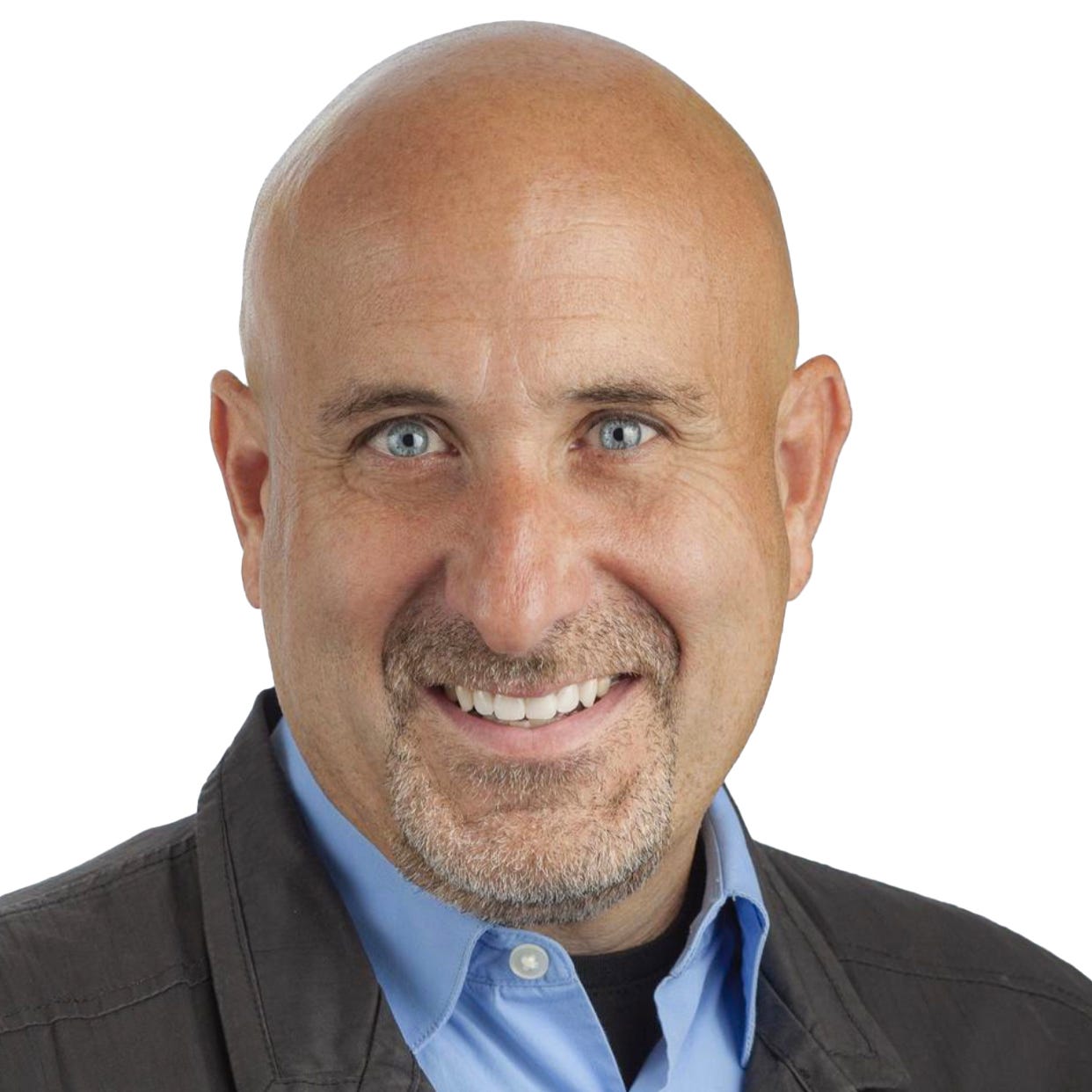
As a part of my series about the ‘Five Things You Need To Know To Succeed In The Real Estate Industry’, I had the pleasure of interviewing James Vitas. James is the Executive Chairman & Founder of V.M.D Companies, a real estate acquisitions, development and investments company based in New Hampshire.
Thank you so much for doing this with us! Can you tell us the “backstory” about what brought you to the Real Estate industry?
I entered the industry by observing a colleague of mine. From a young age, he was heavily involved in the single tenant net lease (STNL) space and was developing AAA credit rated locations for fortune 500 companies under a merchant build program. After analyzing how he executed these transactions and had found great success at a young age, I found the industry addictive.
Can you share with our readers the most interesting or amusing story that occurred to you in your career so far? Can you share the lesson or takeaway you took out of that story?
When I was 20 I bought my first building with deb, all debt. However, when I went to close on the property, I was informed by the lender that I would not be able to close if I did not procure a clean 6D certificate. As it turned out, Massachusetts is one of the only states in the country where an HOA fee takes 1st position in the capital stack. When I realized the closing would not happen without this instrument, is when I realized I was executing on my first distressed deal. I Concluded that if I could take a non-financeable asset and make it financeable again, I could bring back 99% of the buying pool that didn’t previously exist. From this learning experience, I was able to capitalize on this niche by implementing a very lucrative investment strategy.
Do you have a favorite “life lesson quote”? Can you share a story or example of how that was relevant to you in your life?
If you always do what you always did, you’re always going to get what you always got.
There are a lot of interesting characters in the real estate industry. I pushed myself to weed out the incompetent ones quickly so that I could continue to grow the company. My biggest motivation, that I would end living out their exact lives. There was nothing and still nothing more I fear than losing my time. Time is the most invaluable commodity. No matter how much money you have or make, you cannot buy more of it.
Are you working on any exciting new projects now? How do you think that will help people?
Yes, the company acquired in excess of 1,100 acres of industrial zoned land within the last 24 months. As one of those acquisitions, we are developing a 1MM SQ FT ground up project outside of Boston. We are developing one of the largest industrial hubs in the greater Boston region in a community where these employment positions will be embraced with arms wide open. In addition to employment opportunities and a significant amount of tax revenue, we are developing our own industrial park which will afford businesses the opportunity to continue to scale, without the concern of being priced out of the market from Urban Core high density development..
What do you think makes your company stand out? Can you share a story?
I have always said that VMD wasn’t handed to me. This forced VMD to be a multi-disciplined shop that focused on multiple asset classes, within multiple verticals. A lot of the generational shops state that they ‘stick to what they know.’ I never had that luxury, I had to move with market dislocations or become obsolete. Instead of analyzing opportunities within respective asset verticals, VMD has always studied the consumer. Learning consumer trends allows VMD to capitalize off of market gyrations and always be focused on unlocking the intrinsic value. We knew that if we could learn consumer trends better than our competition, it would put us in a place to crush our competition. This coupled with our innate ability to source off market deals, work 24/7 and having a team with substantial intellectual capital has fueled our growth and success.
None of us are able to achieve success without some help along the way. Is there a particular person who you are grateful towards who helped get you to where you are? Can you share a story about that?
I had an unbelievable mentor who taught me how to navigate political landscapes, hire the right people and make very pragmatic decisions. He also taught me how to be ruthless if and when I needed to be. If you don’t have a killer instinct in this business, you’ll be run over fast.

Ok. Thank you for all that. Let’s now jump to the main core of our interview. Can you share 3 things that most excite you about the Real Estate industry? If you can please share a story or example.
Every deal is different, every capital stack requires different financial ingenuity and the ability to transform communities by doing the right project is what makes real estate so unique. All of these things make every deal different and unique.
The means and methods used for financial ingenuity and financial structuring is what always intrigued me most, not necessarily the particular asset.
Can you share 3 things that most concern you about the industry? If you had the ability to implement 3 ways to reform or improve the industry, what would you suggest? Please share stories or examples if possible.
It has become far too complicated. Specifically, the closing process. All closings should be digital. The closing process has become far too antiquated.
Additionally, the process in which it takes to permit and entitle a project from start to finish. I am not speaking from a democratic standpoint, but more from a structure standpoint. You have people that sit on these governing boards who have never executed on a project of this magnitude, and they are making decisions that can adversely affect their respective communities. There needs to be more peer review, expert to expert decision making. Not someone making million-dollar decisions who has never consummated a real etate transaction.
What advice would you give to other real estate leaders to help their teams to thrive and to create a really fantastic work culture?
Align your own interests, with your team’s interest.
Ok, here is the main question of our interview. You are a “Real Estate Insider”. If you had to advise someone about 5 non-intuitive things one should know to succeed in the Real Estate industry, what would you say? Can you please give a story or an example for each?
-Learn how to navigate politics
-Learn the process of sourcing debt inside and out
-Learn the process of blue-sky law and syndicating LP equity
-Learn construction inside and out, its where all of the money is made or lost
-Immerse yourself in the brokerage community.
Because of your position, you are a person of enormous influence. If you could inspire a movement that would bring the most amount of good to the greatest amount of people, what would that be? You never know what your idea can trigger. :-)
Throwing our existing health care program out the window, it’s not preventative. It is reactive.
How can our readers further follow your work online?
VMDcompanies.com
Thank you for your time, and your excellent insights! We wish you continued success.
JH
Written by
Jason Hartman
Editor & Journalist · Authority MagazineJason Hartman is a senior columnist at Authority Magazine covering Business and Tech, conducting primary-source Q&A interviews with founders, executives, and industry leaders.

Published inAuthority MagazineTop Lessons, Top Authorities · 42K Followers
Exclusive, curated interviews with the leaders and changemakers shaping tomorrow. Leadership lessons, industry deep dives, and executive profiles.