My wife has been by my side to provide the security, structure, and framework I needed to achieve success.
Tech
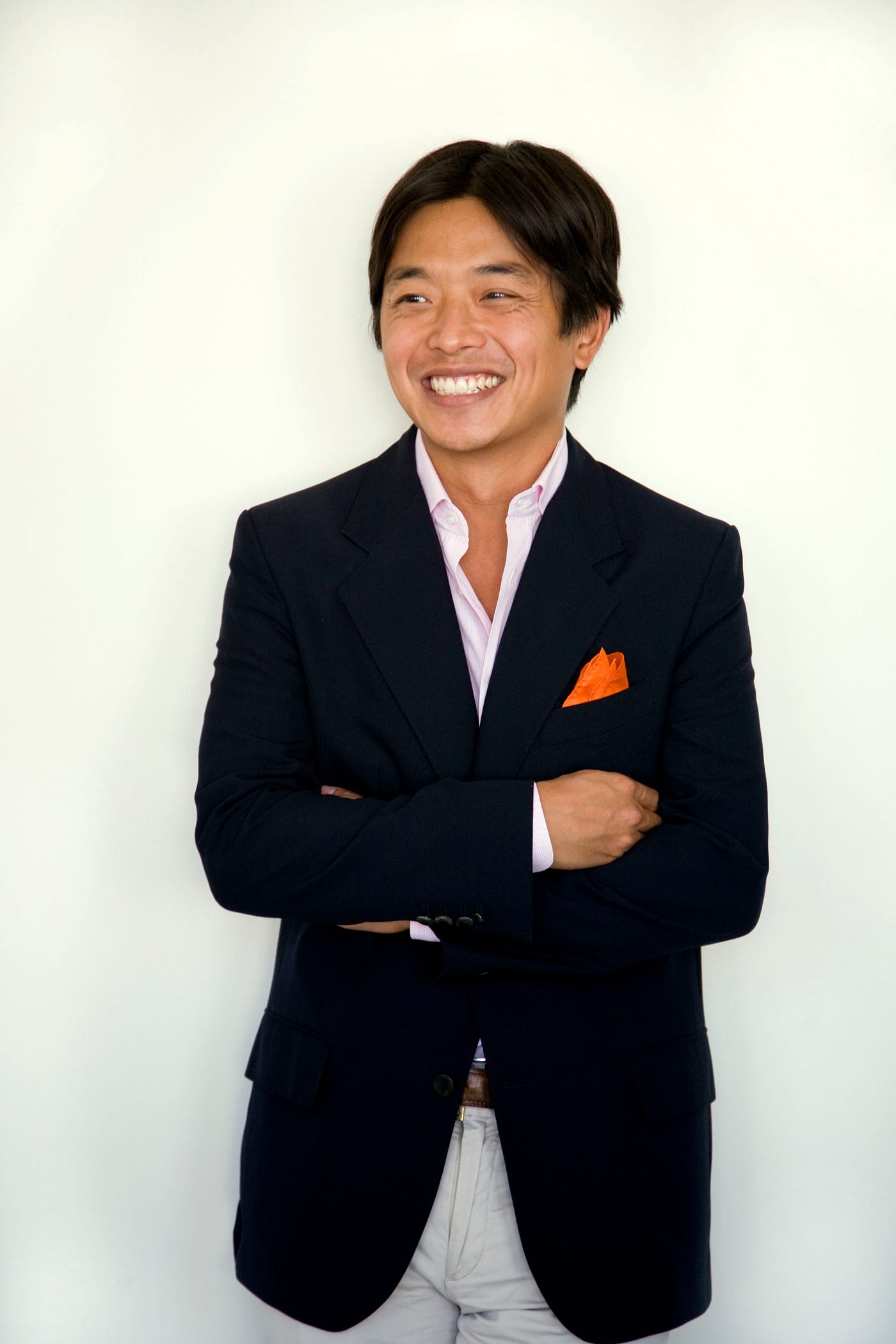
James Chen of The American Dream: Uncompromising Curiosity and Relentless Learning Drive Innovation in Healthcare Technology
The founder and chairman of DrFirst shares his inspiring journey from immigrating to America with limited English to building multiple successful technology enterprises.
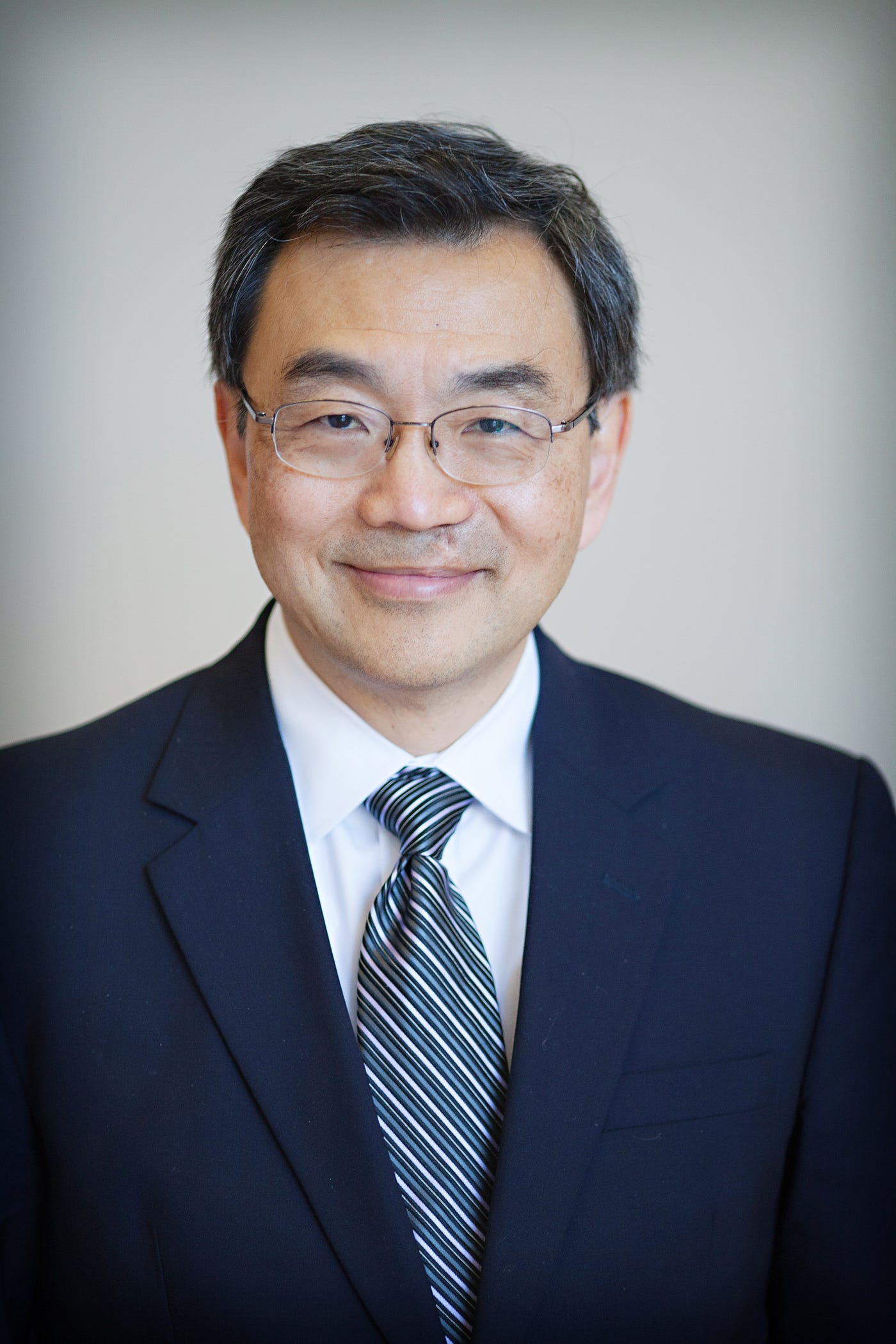
Is the American Dream still alive? If you speak to many of the immigrants we spoke to, who came to this country with nothing but grit, resilience, and a dream, they will tell you that it certainly is still alive.
As a part of our series about immigrant success stories, I had the pleasure of interviewing James Chen, Chairman.
Mr. Chen founded DrFirst and serves as the CEO and chairman. He is a seasoned entrepreneur with a strong technology background and experience in starting and leading technology-related businesses. Mr. Chen successfully founded and served as the CEO of V-ONE Corporation, a NASDAQ-listed provider of virtual private networking (VPN) software that is used extensively in many industries, including government, financial services, healthcare and automotive. Mr. Chen has been granted five U.S. patents on internet security products. Prior to founding V-ONE, Mr. Chen worked for many years in increasingly senior positions at Intelsat and in the nuclear power industry. Mr. Chen received a B.S. in Electrical Engineering from Georgia Tech and received his M.S. in Computer Science from George Washington University.
Thank you so much for joining us in this interview series! Can you tell us the story of how you grew up?
My father brought our family from Taiwan to the United States, to the Washington, D.C. area, when I was 17. I came here with my mom and my two younger siblings, my sister Louisa Lin, who is now a pharmacist, and my brother Charlie Chen, DDS, now a highly respected periodontist. Coming to America as a junior in high school was a significant culture shock because, although I could read and write a little bit of English, I could barely speak it. In those days, the schools in the area were all white. There were less than half a dozen non-white kids in my school, so there weren’t ESOL (English as a Second Language) programs available, and there was no such thing as Google translate. So, I learned how to speak English by carrying around and constantly referencing a bilingual Chinese-to-English dictionary. While my teachers and classmates were extremely kind and understanding, the lack of tools to make the transition easier resulted in my spending time playing basketball and goofing off with the neighborhood kids. My grades suffered while all the other kids were focused on taking their SATs and applying for colleges. I got my wake-up call to straighten up when I didn’t get into any top-rated colleges. I went to a community college, and, luckily, it was a pretty good one. I got straight A’s my first year, which allowed me to transfer to Georgia Tech for my second year. While in college, I studied a dual major of Electrical and Computer Engineering while working at a restaurant to pay for my tuition, books, and living expenses.
Was there a particular trigger point that made you emigrate to the US? Can you tell us the story? Can you tell us the story of how you came to the USA? What was that experience like?
I grew up in the ’50s in Taipei. This was after the post-WW2 Japanese colonization of Taiwan, where my parents fled to escape communism, moved to Taiwan, and got married. My father was a diplomat for Taiwan. When a position opened up to be a representative here in the U.S., he was able to bring our entire family here. I remember that people were all very kind when we first arrived. Through the years, I am incredibly grateful that I have never experienced discrimination or any malice toward me based on my skin color or “systemic racism.” This country has afforded my family and me so many opportunities. Getting my master’s degree from George Washington University (which was sponsored by my employer), unique job opportunities like working for NASA on the ground engineering team on the first flight simulators, and working for Intelsat and launching international satellites (Intelsat 4–6). The freedom to create my destiny allowed me also to start two companies. I have over 25 patents, including one for VPN (Virtual Private Network) during my time with my first company, V-One (Virtual Open Network Environment or “Victorious One,” referring to God). I started V-ONE in the early 1990s, predicting that as more companies started using the Internet for trade, they would need some type of security to protect their networked systems. One of our first customers was the NSA (National Security Agency). In 2000, I founded DrFirst, a healthcare innovation company. Looking back, I don’t know what my career path would have been in Taiwan, but I’ll never forget that my school counselor in Taiwan said my assessment scores indicated that I’d be a great farmer!
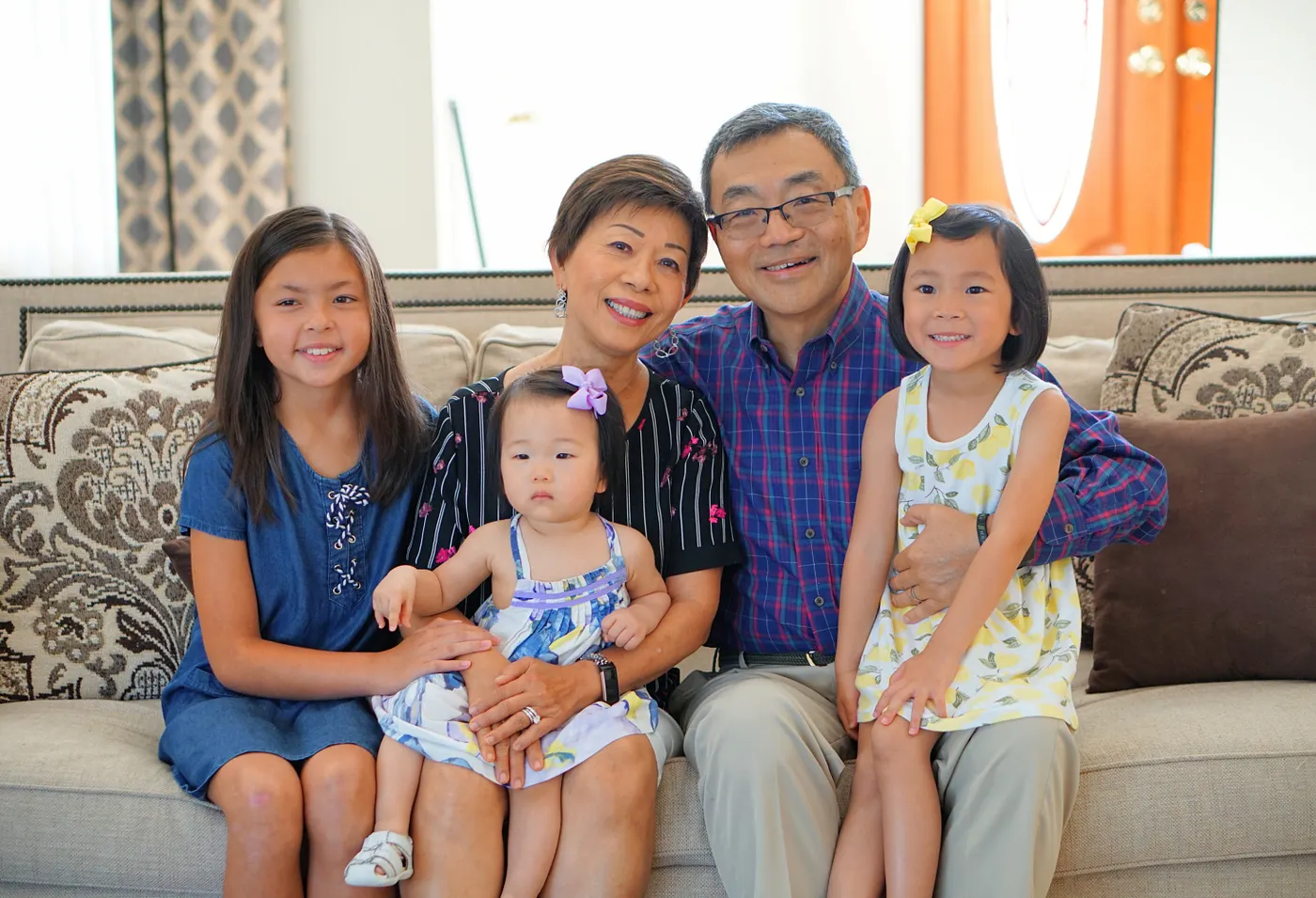
Is there a particular person who you are grateful towards who helped make the move more manageable? Can you share a story?
I would say that my parents gave me the environment to be confident about myself. They always encouraged my siblings and me to be successful. For example, although I don’t consider myself a particularly attractive guy, my mom always told me that I would find a beautiful and wonderful wife. My wife, Mary, is even better than my mom predicted. She has been instrumental to my success as well. She introduced me to my faith in Jesus. I wasn’t a Christian before meeting her, and I consider that a critical turning point in my life journey. My wife has been by my side to provide the security, structure, and framework I needed to achieve success. She’s the disciplined one in our relationship; I am more free-spirited, a big-ideas guy and her ability to organize and manage our household allowed me the freedom to invest 100% of my effort toward my visions. We just celebrated our 47th wedding anniversary, and we were discussing how much God has blessed us over the years. We have a truly extraordinary life together, especially considering that our combined savings were negative $500 in credit card debt when we got married.
So how are things going today?
Things are great! I have a beautiful family. My two children are thriving in their careers, and Mary and I are blessed with three wonderful grandchildren.
I’m energized about the future for DrFirst, and we have some very exciting things coming up on the horizon. Over the past year, we had $135 million invested in the company from Sixth Street Growth and Goldman Sachs Growth. Hospitals and healthcare providers around the country rely on us for our healthcare IT, and this is not something we take lightly. For example, some of our clients were hit very hard by the pandemic, financially and operationally. We focused on doing whatever we could to help them through this crisis, so they could focus on their work for patients.
This work is so rewarding to me, and it’s invigorating to see how an idea that started more than 20 years ago has blossomed into the company we are today. I am privileged to work with people who care so deeply about what we do. Our solutions help over a million people every week, and my deepest hope is that we are helping them have better health outcomes. This is about so much more than technology to us; it’s about people’s lives.
How have you used your success to bring goodness to the world?
We have a saying at DrFirst that we coined for our 20th anniversary in 2020: Unite the Healthiverse. It’s our term for connecting people at the touchpoints of care to improve patient outcomes. This is more than just a concept for us. We embrace it every day. It’s one way we bring goodness to the world, and it drives our approach to growing the business.
DrFirst now has almost 500 employees. That’s a lot of people who have a passionate desire to change healthcare for the better; in fact, we call ourselves the “Guardians of Healthcare.” Owning my own company has given me the chance to positively influence the lives of my staff and the ability to cultivate a company that provides a platform for a rare breed of individuals to find success. Our team looks for “diamonds in the rough” and gives them a way to contribute meaningfully, thrive, and create their destiny. We want a place that offers people the chance to be fearlessly creative, not afraid to “fail fast,” people who are wired to see beyond the limitations of the status quo — who challenge conventional wisdom and can help us break the mold.
In one of my last jobs as a senior leader, I saw a lot of red tape, hierarchy, and politics. I told myself that if I ever had my own company, it would be truly open door, organizationally flat, and I would hire leaders who were player-coaches. I am very opposed to having an organization where leaders are “command and control,” who sit in their ivory towers and enjoy the “good life,” while their staff does all the heavy lifting, and they take all the credit. I created a company where the best leaders lead with a servant’s heart, working alongside their people, get their hands dirty, and aren’t so far removed and disconnected that they don’t understand the challenges at the ground level.
I tell my staff, do not be afraid to admit when you do not know an answer. Collaborate, tap into more minds and more ideas. When you make a mistake, own up to it and take responsibility for solving the problem. Never let your pride get in the way of doing what’s morally and ethically right and in the best interest of our clients, staff, and business. We emphasize that great ideas come from every level of the organization; there is nothing stopping people from all walks of life from contributing in significant ways at DrFirst. We empower talented and smart people who don’t necessarily fit the corporate mold in other organizations. I think that’s why we have so much diversity in our staff and leadership because our company culture values critical thinking that is outside the box.
You have first-hand experience with the US immigration system. If you had the power, which three things would you suggest to improve the system?
First, I would improve and expedite the immigration process so that people trying to do it the right way are not deterred from going through the process legally. Second, I would honor higher education certifications from other countries if people can prove their knowledge and skills meet our standards. I was able to come here because my dad was a diplomat but getting residency and becoming a citizen was very challenging. Long waits, proving skill sets, it took me around three years. My third recommendation would be to include a merit-based immigration system. So that depending on what needs the United States has for more doctors, nurses, engineers, etc., it can utilize merit to expedite the immigration process for those skill sets.
Can you share “5 keys to achieving the American dream” that others can learn from you? Please share a story or example for each.
Here are the keys that have inspired me:
- First, you must have a vision for who you are, what you want to do, and the impact you want to make on the world. The CEO of Microsoft, Satya Nadella, once said, “The view you adopt for yourself profoundly affects the way you lead your life.” He has certainly achieved the American Dream from my perspective.
- Second, understand the value of being “DDS,” which stands for “disciplined, driven, and smart.” This is our staff motto at DrFirst and how we describe ourselves.
- Third, there will be lots of defeat and disappointment; there are days you win and days you lose. The key is knowing that in the game of life, the game isn’t over until you say it’s over. Have perseverance through setbacks. Stay in the game. Sometimes that’s hard to do, but I believe God has carried me through many difficult days. He’s given me strength, a peaceful and grateful heart, and joyfulness during the bleakest times.
- Fourth, you need an attitude of gratitude. I give thanks in all circumstances for God’s blessings on my life, especially for my family, health, and all the opportunities I have been given.
- Fifth is the commitment to be better today than yesterday. Always keep on learning. You must stay curious. My kids like to tease me that I have no hobbies (except for work), but I think my hobby is satisfying my thirst for learning. I am always conceptualizing and thinking. If you stop learning, then you stop innovating, and you stop contributing meaningfully to society.
We know that the US needs improvement. But are there three things that make you optimistic about the US’s future?
First, I am optimistic that post-Covid, the U.S. has plenty of exciting opportunities, and investments are being made in the healthcare space right now. There is more emphasis on making healthcare safer, transparent, available, and more efficient.
Second, I’m very optimistic about the future of remote care. We launched telehealth in our Backline product just before the pandemic. Since then, our studies have shown how much people have counted on telehealth during the pandemic and want to keep using it. This is especially the case for mental health care because telehealth removes some of the barriers to seeing a therapist.
Third, I’m optimistic about how digital connections have made more things accessible to a broader group of people during and post-pandemic: virtual workouts, dance classes, cooking classes, and more. Similarly, remote work has given more people the ability to find positions that may not have been previously open to them. I know at DrFirst, we have seen greater work-life balance (with the elimination of commuting, less flying all over the country to meet with people, a focus on health, spending more time with family and pets), and greater virtual collaboration across the country.
We are very blessed that some of the biggest names in Business, VC funding, Sports, and Entertainment read this column. Is there a person in the world, or in the US whom you would love to have a private breakfast or lunch with, and why? He or she might see this, especially if we tag them.
Yes, I mentioned a quote earlier by Satya Narayana Nadella, and I would love to meet him. He is the executive chairman and CEO of Microsoft and also an Indian-born Asian American business executive. He once said, “A leader must see the external opportunities and the internal capability and culture — and all of the connections among them — and respond to them before they become obvious parts of the conventional wisdom.” This is especially true in the healthcare technology space. We have made it our mission to identify the gaps and make the connections. It’s ambitious to “Unite the Healthiverse,” but we are getting closer to being the first to truly make it possible.
What is the best way our readers can further follow your work online?
I am only really active on LinkedIn, but my company is active on all major social media channels. Follow @DrFirst.
Thank you for these fantastic insights. We greatly appreciate the time you spent on this.
CV
Written by
Chef Vicky Colas
Editor & Journalist · Authority MagazineChef Vicky Colas is a contributing interviewer at Authority Magazine covering Business and Tech, conducting primary-source Q&A interviews with founders, executives, and industry leaders.

Published inAuthority MagazineTop Lessons, Top Authorities · 42K Followers
Exclusive, curated interviews with the leaders and changemakers shaping tomorrow. Leadership lessons, industry deep dives, and executive profiles.