When I first moved to Nashville, I was writing songs about trucks and small towns despite having little to no experience in either of those fields.
Pop Culture
Ian McConnell: Inside the Pivot from Suburban Country Parodies to Internet-Driven Indie Pop
The independent singer-songwriter shares how he leveraged online antics during the pandemic and learned to embrace experimentation without burning out.
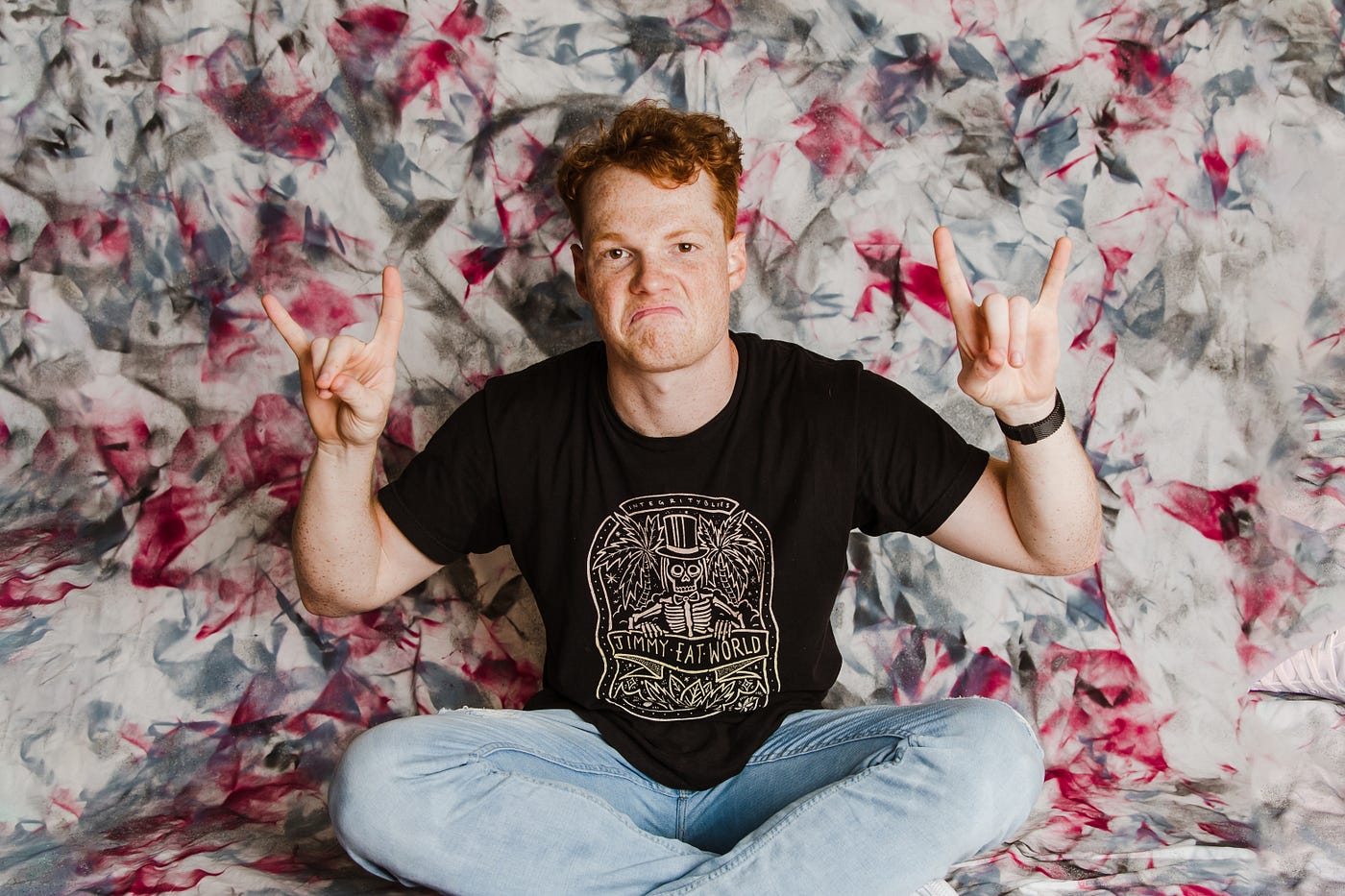
As a part of our series about pop culture’s rising stars, I had the distinct pleasure of interviewing Ian McConnell.
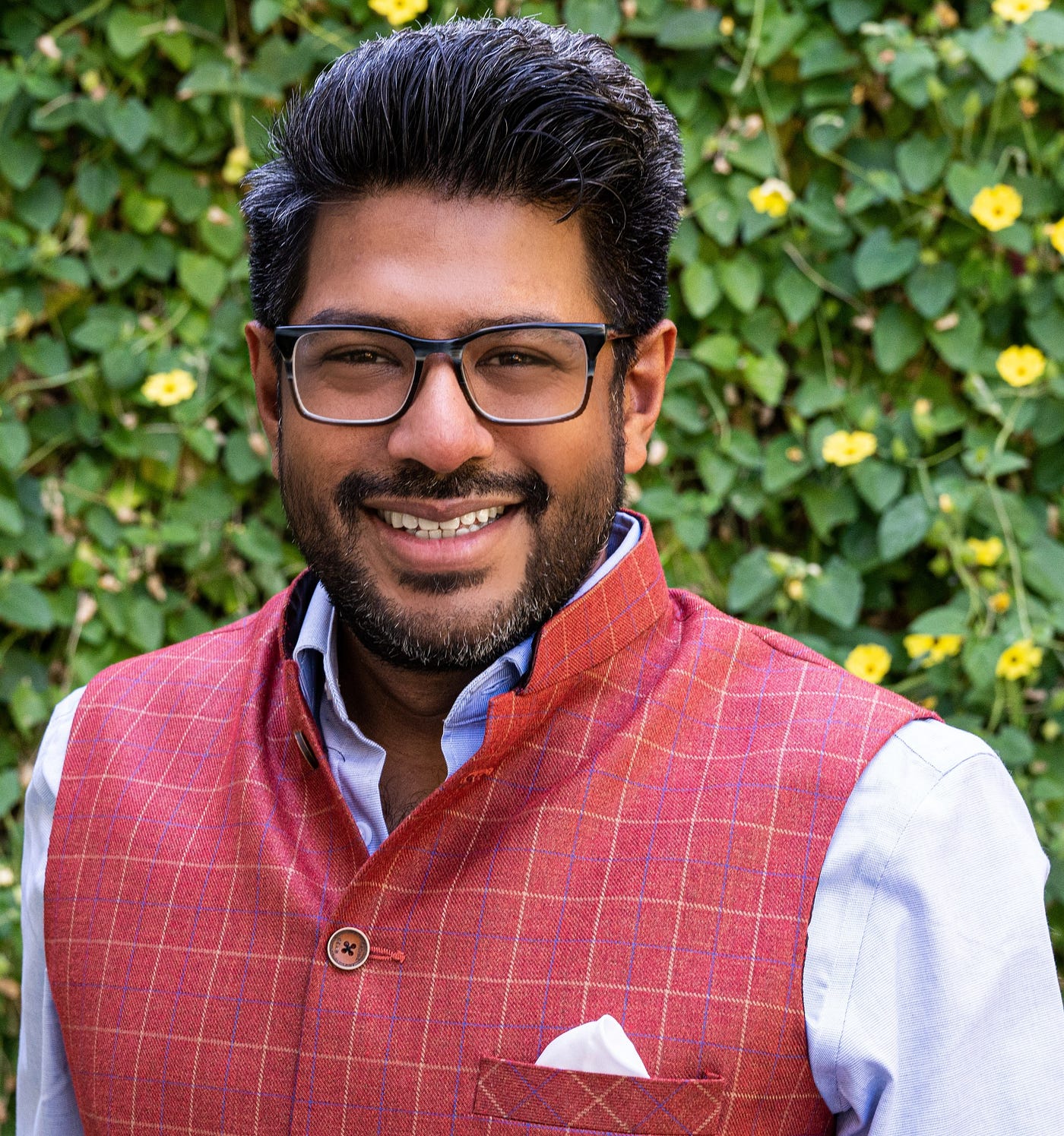
Ian is a recovering gifted child with a fear of disappointing people. A singer-songwriter by day, goofy social media personality of moderate notoriety by (also) day, and sleepyhead by night, Ian has been referred to as “Kroger-brand Ed Sheeran,” “sexy Kermit The Frog,” and “a stupid piece of shit” by a vocal minority of his 440k+ Tiktok and 85k+ Instagram followers. Though Ian spent the last few years attempting to be a country musician — a hilarious undertaking (in hindsight) for a suburban-DC math/cello major with no rural life experience — he has now abandoned that endeavor (for reasons obvious to anyone who has read this sentence) in favor of a nebulous Taylor-Swift-meets-Bo-Burnham vibe (okay now I want the Taylor Swift-Bo Burnham collab album. I’ve always thought All Too Well could use more masturbation jokes) (wow this sentence sure does have a lot of parentheses!). His inability to delegate has led to Ian writing, producing, mixing, and mastering all his own music, which has been streamed over 15 million times across the platforms of our gargantuan corporate overlords. But numbers don’t matter! Listen to the music, (insert gender-neutral equivalent of “bro”)!
Thank you so much for joining us in this interview series! Can you tell us the story of how you grew up?
My parents met in music school and my house was very musical. My mom is a piano teacher and my dad plays bass and sings in several DC-area cover bands. I was a little geek growing up (still am) and split my time being mediocre at basketball, slightly better than mediocre at baseball, pretty good at playing cello, really good at math, and writing (mostly bad) songs in the basement.
Can you share a story with us about what brought you to this specific career path?
I wrote and produced an entire album in college under the pseudonym Mack Russell, may he rest in peace. I thought the project was dope. Then, between my junior and senior year of college, I spent the summer in Nashville, planning to bust onto the scene and show everyone how amazing I was, and discovered within about 4 days that I sucked. It’s amazing how fast you can go from “my songs are better than the ones on the radio!” to “oh my songs aren’t even as good as the one no one is paying attention to at this writer’s round.” I took it as a challenge and have been (presumably) improving ever since.
Can you tell us the most interesting story that happened to you since you began your career?
There was this one time when a horribly contagious virus forced everyone to stay inside for a year and spend their time on an algorithmic video-sharing platform where I happened to have a headstart on a lot of other artists. The pandemic canceled all the tours, but since I had no touring presence, that kind of leveled the playing field for me to do my little internet antics and start actually making a living off of music. Just like I planned it from day one.
Can you share a story about the funniest mistake you made when you were first starting? Can you tell us what lesson you learned from that?
I started off making country music, which wasn’t really a mistake, but was certainly hilarious, as I am pitiably suburban. When I first moved to Nashville, I was writing songs about trucks and small towns despite having little to no experience in either of those fields. I even kept calling my music country into 2021, when the music I was releasing had nearly nothing to do with country, other than the style of the lyric. I will say, I love the direct line-to-line logic of country, and am so glad that I started out in that genre, as that practice has allowed me to find my voice in whatever genre it is I’m making now.
What are some of the most interesting or exciting projects you are working on now?
I’m working (at the time of writing) on my debut multi-song project, Season 1. Five songs, one a week, with full videos for each released at primetime, in a pretty stark pivot from my previous work. For a long time, I’ve separated my internet comedy from my music, and I’m excited to bring them together for this project. I’m also very excited about my tentative plans to vacuum beneath my bed.
You have been blessed with success in a career path that can be challenging. Do you have any words of advice for others who may want to embark on this career path, but seem daunted by the prospect of failure?
Write what you want to say and not what you think others want to hear! Feels obvious but I can assure you, it is not.
We are very interested in diversity in the entertainment industry. Can you share three reasons with our readers about why you think it’s important to have diversity represented in film and television? How can that potentially affect our culture?
I am not a diversity expert, but these are my perceived impressions of diversity in visual media.
- Diverse casts reduce the sense of otherness viewers feel towards people who do not look like them. Exposure to relatable characters that have different religions, ethnic backgrounds, gender identities, and/or sexual orientations reminds us that we are all human and deserve to be treated as such.
- Non-white and non-male creators have been long overlooked in mainstream Western media. There are great stories being passed up in production for being too “niche.” That’s shitty, and those marginalized creators deserve an equitable shot to make great art widely accessible.
- Diverse casts in media make diversity appear “normal” rather than out of the ordinary, and, since life does indeed imitate art, can lead to diversity outside of the media space as well.
What are your “5 things I wish someone told me when I first started” and why? Please share a story or example for each.
- There’s more than one way to do it. Anyone who tells you they have all the answers is either lying or just mistaken.
- Art is not good or bad, it just is. Commercial music can follow forms to be more or less successful, but non-commercial doesn’t mean bad. (I would have been much less judgmental had I known this from the get-go).
- Say what you want to say, and not what you think others want to hear. (same as two questions ago).
- Set goals, but enjoy the journey, because once those goals are reached, they won’t feel as remarkable as you think they will. The journey is what’s going to be the most memorable.
- Play. Experiment. Not everything has to be release-worthy. Trying new things is productive, as is rest.
Which tips would you recommend to your colleagues in your industry to help them to thrive and not “burn out”?
Figure out what you really want, and know why you are doing what you are doing. If you want fame and fortune, make your moves reflect that. If you want to make art, make your moves reflect that. There is not one single way to success, and success is different for everyone. Do the work on the front end to keep yourself from overexerting on things that don’t lead to your goals. Also, find a hobby outside of music! Trying to escape music by making music is a fast track to burnout.
You are a person of enormous influence. If you could inspire a movement that would bring the most amount of good to the most amount of people, what would that be? You never know what your idea can trigger. :-)
I would like to inspire the movement to stop calling people who disagree with you “evil.” It’s not productive and it’s (most of the time) untrue. Almost nobody is out here intentionally trying to be bad. Most of the time they just have different priorities and/or beliefs that make them act or speak the way they do, and even if they are doing harm (and many people are doing harm, however inadvertent), calling them “evil” really just makes them and their followers dig in their heels and talk louder.
None of us are able to achieve success without some help along the way. Is there a particular person who you are grateful towards who helped get you to where you are? Can you share a story about that?
Kayla Abdou, my best friend and manager. She bet on me and my music when I had very little going for me and has stuck with me through all of my eccentricities. I would still be a directionless blob of songs without her direction and love and support.
Can you please give us your favorite “Life Lesson Quote”? Can you share how that was relevant to you in your life?
My Dad says, “sometimes you have to stop stirring the soup,” meaning at some point, soup is soup, and putting extra time and energy in will no longer be particularly effective if it takes away from making another soup. The difference between the 11th and 12th edit of a song will probably be miniscule, and eventually you have to say “good enough! I’m gonna put this out there!” and move on to the next thing.
Is there a person in the world, or in the US whom you would love to have a private breakfast or lunch with, and why? He or she might just see this, especially if we tag them. :-)
Donald Glover. That guy might be the most creative person I have ever witnessed. Childish Gambino? Slaps. Stand-up? Hilarious. Atlanta? Perfect. COMMUNITY? I still know most of the words to the “Donde esta la biblioteca” rap and haven’t watched it in probably 10 years. Not to mention his numerous film roles. He does many things at a ridiculously high level, which is already exceedingly rare, but he innovates in each of those areas. One of the greatest to ever create.
How can our readers follow you online?
I have music out as Ian McConnell, you can search my name anywhere you listen to hear my songs, or you can watch me slowly lose my mind on Instagram and TikTok at @ianmcconnellmusic.
This was very meaningful, thank you so much! We wish you continued success!
ES
Written by
Edward Sylvan
Editor & Journalist · Authority MagazineAuthority Magazine Columnist & Contributor

Published inAuthority MagazineTop Lessons, Top Authorities · 42K Followers
Exclusive, curated interviews with the leaders and changemakers shaping tomorrow. Leadership lessons, industry deep dives, and executive profiles.