When I first met Jim I was consumed by fear and anxiety about my business failing, and as a result I was often not present and self-aware. Ever since then I’ve been working on becoming more conscious in my work, family, personal, athletic, and spiritual life.
Business
Godard Abel: The Principle of Conscious Leadership That Transforms Anxiety Into Enterprise Success
The veteran cloud software entrepreneur and G2 CEO shares how conscious leadership, resilience through crisis, and human-centric culture drive massive startup growth.
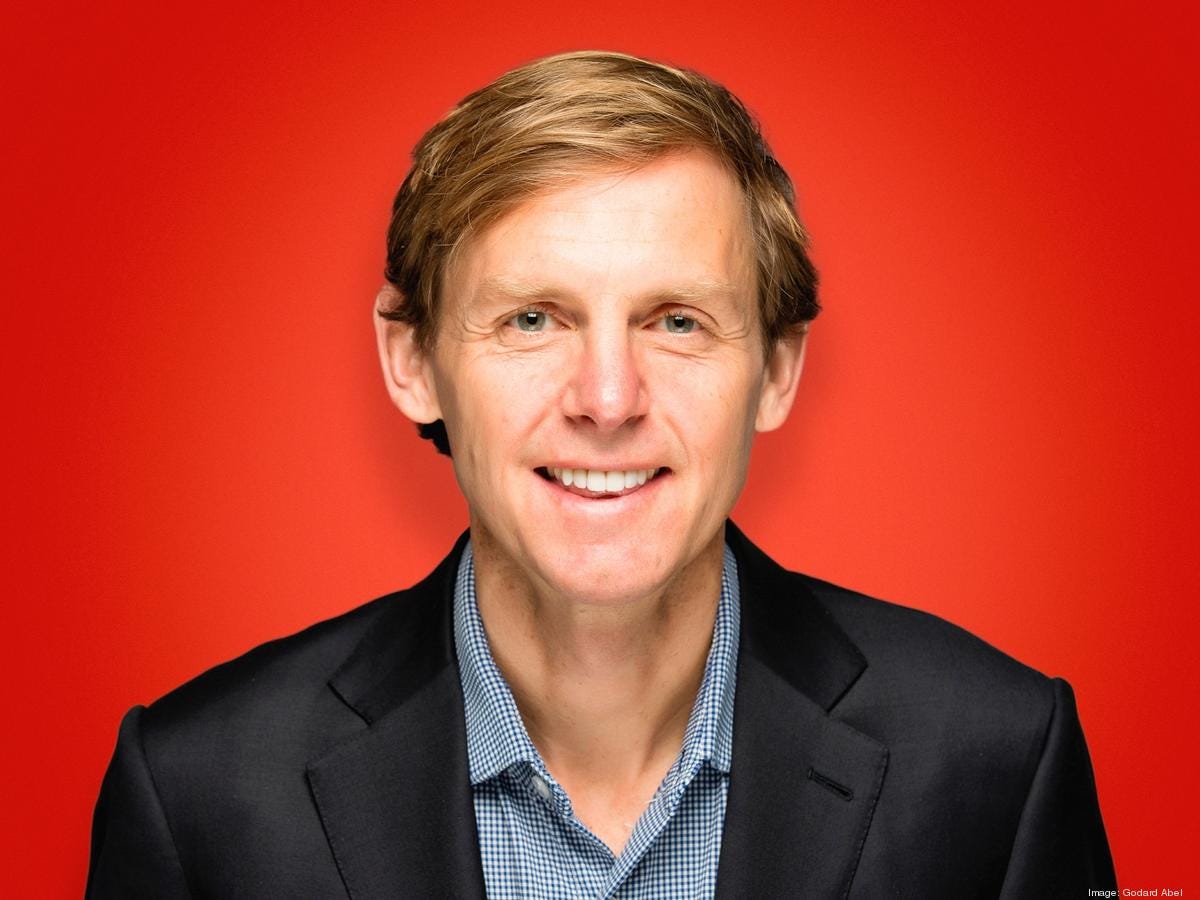
As part of our series called “5 Things I Wish Someone Told Me Before I Began Leading My Company” I had the pleasure of interviewing Godard Abel.
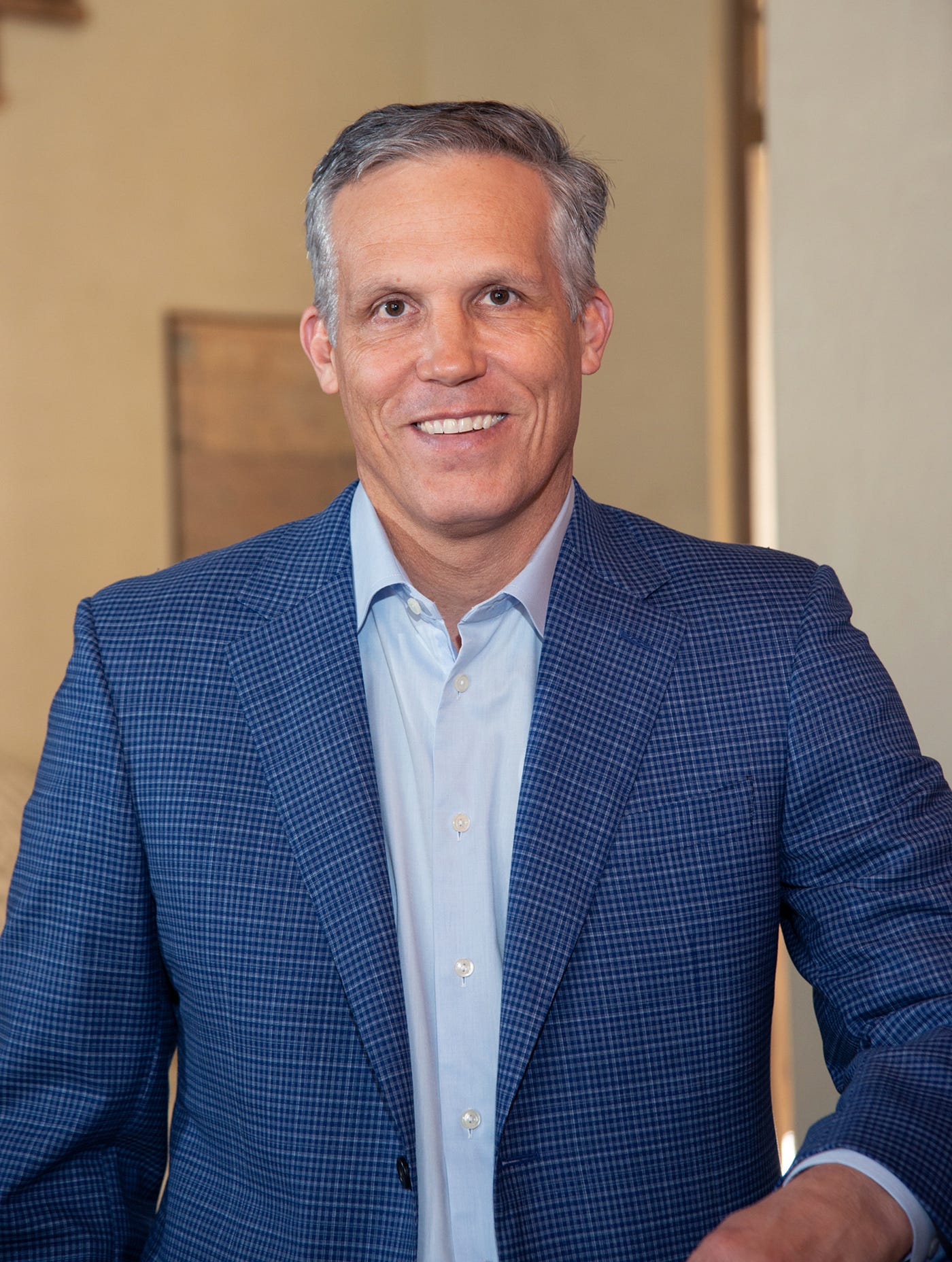
Godard Abel is CEO of G2.com, Inc., the leading business software review platform and marketplace, which he co-founded in 2012, as well as Executive Chairman of ThreeKit, a leading 3D product visualization platform for eCommerce. Previously Godard served as CEO of SteelBrick which was acquired by Salesforce in 2016 where he subsequently served as SVP/GM of the SteelBrick business unit (now Salesforce Revenue Cloud) until 2017 when he left to refocus on entrepreneurial adventures. Godard previously co-founded and as CEO built BigMachines into a leading software-as-a-service CPQ provider which was acquired by Oracle in 2013. Godard started his career as a McKinsey consultant and earned an MBA from Stanford University and both a B.S. and M.S. in engineering from MIT.
Thank you so much for joining us in this interview series. Before we dive into our discussion, our readers would love to “get to know you” a bit better. Can you share with us the backstory about what brought you to your specific career path?
I’ve been an entrepreneur building cloud software companies for over 20 years. I got involved in my first start up Alyanza way back in 1998 while attending Stanford Business School. This was during the first .com boom in Silicon Valley when incredible companies like Amazon and Google where being born. At Alyanza I helped two Stanford computer science students build a business plan and start scaling the company which was quickly acquired by a larger start-up called Niku an early leader in professional service automation software that then went public in 2000. I thought it would be the perfect time to start my own company BigMachines.
BigMachines was inspired by my father who was an entrepreneur building a small family pump manufacturing business, as I wanted to help him sell his highly engineered piston membrane pumps online. My father became my first investor and customer in spite of being skeptical that highly configurable pumps could be sold online. After many years of struggle, BigMachines became an early leader in SaaS CPQ (configure, price, quote) software and was ultimately acquitted by Oracle.
Our experience at BigMachines inspired us to build two more companies G2 and Steelbrick. At Steelbrick we quickly built and scaled a next generation CPQ and billing software platform which was acquired by Salesforce after two years and I spent a year integrating Steelbrick into Salesforce and learning how to build a global scale business from Salesforce founder Marc Benioff and his team.
G2 was inspired by our experience building enterprise software companies, as we wanted to make it much easier for business software buyers to buy software based on trusted peer advice. At the beginning we called G2 a “Yelp for business software” and now it’s grown into the leading software review platform and marketplace used by over 6 million software buyers each month.
Can you share the most interesting story that happened to you since you started your career?
I vividly remember meeting Marc Benioff at a Salesforce event in Chicago in 2003. Salesforce was still a private company and I was really inspired by Marc’s “no software” vision for bringing all business apps into the cloud. So I approached him after the event and proposed that we partner to deliver CPQ software to Salesforce customer that had sophisticated quoting needs. Ultimately this partnership was the key to making BigMachines and then our 2nd company Steelbrick big successes as the Salesforce ecosystem boomed over the past two decades. Without meeting Marc, I’m not sure we would have ever achieved our success as entrepreneurs.
Can you please give us your favorite “Life Lesson Quote”? Do you have a story about how that was relevant in your life?
“At any particular time, leaders are operating from either fear or love.” from Jim Dethmer, author of “15 Commitments of Conscious Leadership.” I met Jim via my YPO forum back in 2009 and Jim became my first conscious leadership coach. Jim and his conscious leadership coaching have dramatically changed my perspective on leadership and life. When I first met Jim I was consumed by fear and anxiety about my business failing, and as a result I was often not present and self-aware. Ever since then I’ve been working on becoming more conscious in my work, family, personal, athletic, and spiritual life. It’s a never ending journey of self discovery and improvement I love pursuing.
Is there a particular book that made a significant impact on your leadership style? Can you share a story or an example of that?
In addition to the 15 Commitments of Conscious Leadership, I was very inspired by Chip Conley and his book PEAK: How Great Companies get their Mojo from Maslow. I met Chip Conley at a Stanford entrepreneur alumni event and was very inspired by his vision and insights for building incredible company cultures centered around love and heart.
The goals of PEAK is to build a company culture that elevates all stakeholders by creating evangelical customers, inspired employees, and proud investors. We aspire to a PEAK culture at G2 and have turned this into a mnemonic that incorporates our PEAK Values of Performance, Entrepreneurship, Authenticity, and Kindness.
What do you think makes your company stand out? Can you share a story?
G2 provides global software buyers and sellers a unique platform for connecting and growing together. As an entrepreneur I’m incredible proud how we’ve helped to validate and accelerate the success of incredible entrepreneurs including Zoom founder/CEO Eric Yuan. I first met Eric and tried Zoom back in 2014 as we shared an investor in Emergence Capital. Eric was not famous yet, but had an incredible commitment to “delivering happiness” to his users and employees. We’re glad we were able to help Eric validate how he truly delivered more happiness to the world thanks to thousands of raving customer reviews on our G2 platform. This helped Eric break away from the competition in video conferencing and be in an incredible position to serve the whole world by staying connected via online meetings, when the COVID pandemic hit last year.
The road to success is hard and requires tremendous dedication. This question is obviously a big one, but what advice would you give to a young person who aspires to follow in your footsteps and emulate your success?
First I would say to really “commit to a PEAK.” As an entrepreneur that means building a company to solve a problem that you deeply care about and defining a compelling vision for you and your team that you’re ultimately willing to sacrifice yourself for in order to achieve. And to really build a winning team starting with co-founder(s) that share your commitment and that will support you and keep going when times get tough. My fist company almost died three years in when we were missing our sales plans dramatically. We had to scale down from 65 to 20 people and only our commitment to our vision and each other kept us going. As Ben Horowitz said, most entrepreneurs face many challenges including WIFI moments (stands for We’re F#%ked, It’s Over) and then you need the belief and team to just keep going. Don’t quit.
Often leaders are asked to share the best advice they received. But let’s reverse the question. Can you share a story about advice you’ve received that you now wish you never followed?
I remember when I was first starting BigMachines at the beginning of 2000, one of my investor said “just think about how you can go public in one year.” This implied ignoring costs and efficiency for the sake of speed. This was a common mantra before the .com bubble burst but let us to overhire and scale sales and marketing way before we had product market fit. This led us to squander millions in capital and almost go bankrupt a couple years later.
You are a successful business leader. Which three character traits do you think were most instrumental to your success? Can you please share a story or example for each?
Perseverance. Learning. Heart. As I shared above, my first entrepreneurial venture (BigMachines) only became a success after overcoming near bankruptcy and missing our sales plans for the first few years. We got through these challenges thanks to perseverance, learning continuously from our customers how to better develop, deliver and sell our products, and by really caring for each other and keeping the faith to get through hard times together as a team.
Ok, thank you for that. Let’s now jump to the primary focus of our interview. Most of our readers — in fact, most people — think they have a pretty good idea of what a C-Suite executive does. But in just a few words can you explain what a C-Level executive does that is different from the responsibilities of other leaders?
What are the “myths” that you would like to dispel about being a CEO or executive? Can you explain what you mean?
That you can just sit back and make decisions and everyone will follow. I believe the best leaders I’ve seen like Marc Benioff at Salesforce lead from the front by engaging with their customers and employees to continuously share and sell their vision and align everyone to make it come to life. The best leaders work hard to make things happen including winning new customers, new partners, and inspiring and building amazing new products. Their teams follow not due to title or role, but due to the divine inspiration they feel from their leader leading them into battle.
What are the most common leadership mistakes you have seen C-Suite leaders make when they start leading a new team? What can be done to avoid those errors?
I remember being very nervous about being a leader and making decisions when I was first a CEO. I wanted to build consensus on everything versus making clear asks of my team when needed and when my divine intuition told me I knew the best past forward. I listened to much external advice rather than following my informed, divine intuition. One advantage you have as a leader is that you likely have more context than anyone on the team, and so ultimately while you do want to gather all the insights and information from your customers and your team, you ultimately trust your informed intuition to lead a team forward on an aligned path.
In your experience, which aspect of running a company tends to be most underestimated? Can you explain or give an example?
Taking the time to listen to people across all levels of your own and your customers organizations. Often the best insights come from people on the ground floor and so having regular conversations across your team and your customers can lead to the best insights. If you only rely on information filtered to you through multiple levels you often miss the real insights. A great example is how Amazon founder CEO Jeff Bezos still reads emails from customers and uses them to identify blind spots in their processes and metrics. I try to do the same.
Ok super. Here is the main question of our interview. What are your “5 Things I Wish Someone Told Me Before I Began Leading From the C-Suite”? Please share a story or an example for each.
1). Be Conscious
As I shared above, my first 10 years of being a CEO were filled with anxiety and constant fear of failure and a feeling that I was not doing enough to help my company succeed. The anxiety felt like a constant storm cloud in my forehead that I often could not escape to be present with my family, my employees, and my friends.
Through my YPO (Young Presidents Organization) peer forum I learned to become more present and self aware starting by being able to shift back to presence by simply breathing and being aware of my physical and psychological feelings.
Ever since I’ve felt more love and joy in both my work and family life and it’s led to a spiritual journey of self-discovery and becoming more and more one with the universe.
2). Hire the Right Leaders
As a c-level leader building the right team of next level leaders is the key to your own success and happiness. When all your direct reports and functional leaders are aligned and performing in their zones of genius there is very little day-to-day work left for you, and so you can be free to focus on your own zone of genius and leading your team into the long-term future. As Jeff Bezos says, you can then be working ‘two or three years into the future’ as your team is taking care of the current operations and quarterly results.
The challenge is that as your team and company grows your leadership team will need to grow and evolve as well and so your next level leadership team likely is never in a permanent ideal state, and so you will have to be continuously evaluating and building out your team.
At our company G2 we’ve just gone through many leadership changes in the past year, as we grew from being a start-up “tribe” and “village” that could have much more informal leadership to now a global team of 400 which takes more aligned, operational leadership.
3). Nurture Talent
All of the success I’ve achieved as an entrepreneur and CEO has been thanks to hiring and nurturing incredible people. After doing this for 20+ years we now have an “entrepreneurial family” that continues to work together to innovate and build amazing companies. I’ve found the best way to build aligned leadership is to hire junior talent and then inspire them to grow into senior contributors and leaders within your organization.
A couple great examples at G2 of nurturing our talent is Molly O’hare. Molly joined us as our first employee when we started our company in Chicago in 2012 only a few years out of college. She started as our marketing manager, led our content and community efforts, became a product manager, and now leads our business operations in Europe which thanks to her efforts has become our fastest growing region. It’s been wonderful to see Molly really grow in her career and G2 has benefited tremendously from her talent and expertise she has infused across our teams.
4). Align Vectors
5). Ride Big Waves
In your opinion, what are a few ways that executives can help to create a fantastic work culture? Can you share a story or an example?
Be explicit about your culture and values. At G2 we’ve defined PEAK
You are a person of great influence. If you could start a movement that would bring the most amount of good to the most amount of people, what would that be? You never know what your idea can trigger. :-)
I love the idea of giving every child in the world a real chance to thrive, learn and fulfill their human potential. Sadly so many kids in the US and around the world are born into family and life situations that don’t give them the opportunity to fully develop due to poverty, unsafe living environments, and lack of access to quality education. So I love the idea of investing more in providing safe environments and high quality education starting very early in life. I would like to start at pre-K as our rate of learning at humans diminishes each year and sadly many kids are way behind before they even enter elementary school.
How can our readers further follow you online?
Please feel free to follow me on LinkedIn or Twitter where I am starting to share of my entrepreneurial experiences and lessons learned.
Thank you for the time you spent sharing these fantastic insights. We wish you only continued success in your great work!
PP
Written by
Parveen Panwar
Mr. Activated · Authority Magazine ColumnistAuthority Magazine Columnist & Contributor

Published inAuthority MagazineTop Lessons, Top Authorities · 42K Followers
Exclusive, curated interviews with the leaders and changemakers shaping tomorrow. Leadership lessons, industry deep dives, and executive profiles.