The hard part was managing my own thoughts and fear of failure. After the first year, I worried that people would see me as someone who was consulting only because I couldn't find a job.
(Gabrielena Alcalá & MAPA Healthcare Consulting): Five Things I Wish Someone Told Me When I First Launched My Business or Startup
Taking the risk to start a company is a feat few are fully equipped for. Any business owner knows that the first few years in business are anything but glamorous. Building a successful business takes time, lessons learned, and most importantly, enormous growth as a business owner. What works and what doesn’t when one starts a new business? What are the valuable lessons learned from the “University of Adversity”? As part of this interview series, I had the pleasure of interviewing Gabrielena Alcalá.
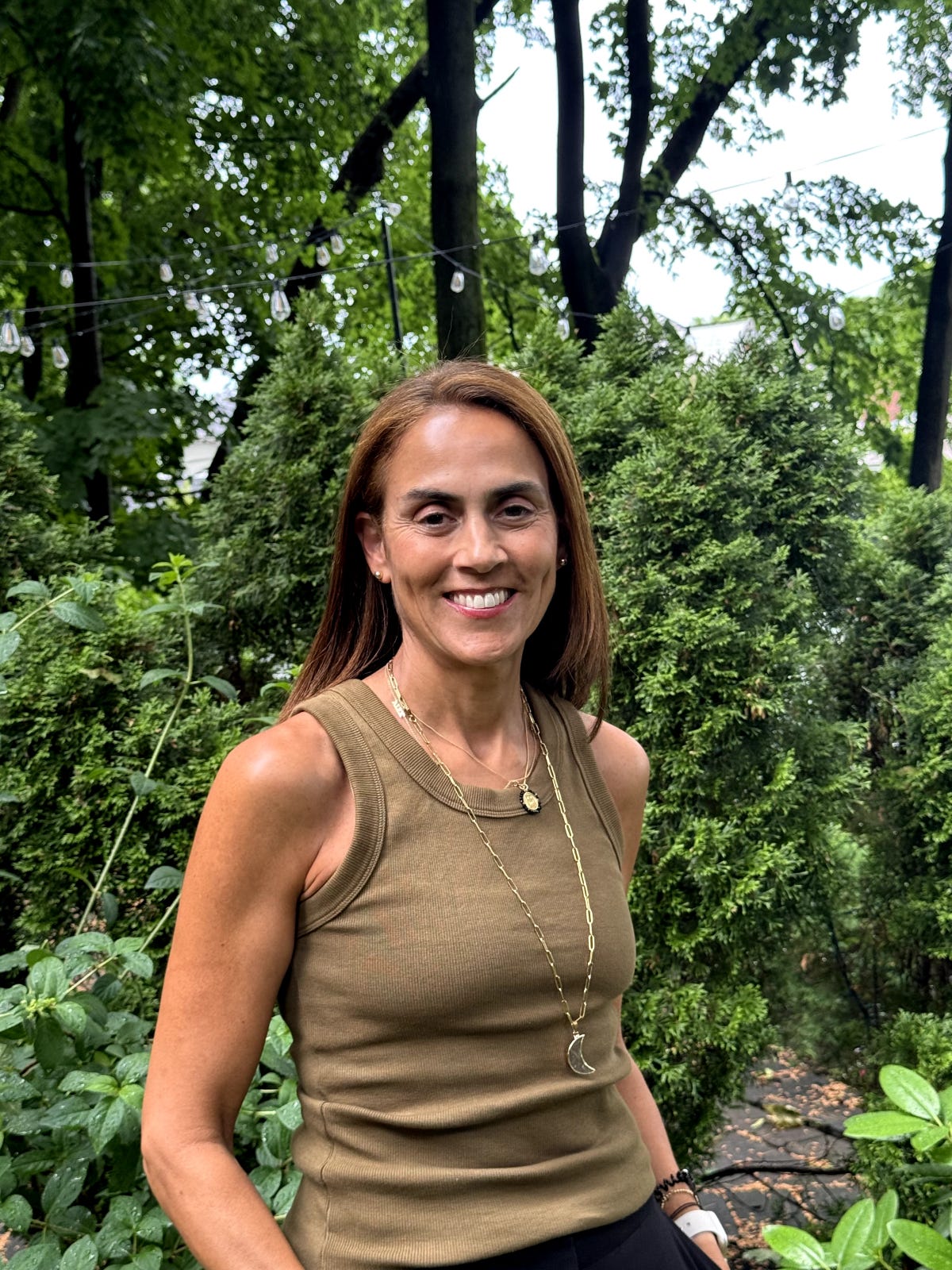
Gabrielena (Gaby) Alcala is a healthcare consultant and the founder of MAPA Healthcare Consulting, specializing in value-based care transitions and patient-centered solutions. With over two decades of experience, she has collaborated with prominent organizations such as The World Bank, KPMG Consulting, Iora Health, CityBlock, Oliver Wyman, and Mass General Brigham, excelling in strategic planning and operational system redesign. Fluent in English and Spanish, Gabrielena also works as a coach, motivating women to get unstuck and transition smoothly into entrepreneurship. Additionally, she hosts a hybrid Spanish/English podcast, "A Cada Paso," from her home in Boston, MA.
Thank you so much for joining us in this interview series! Can you tell us a story about what brought you to this specific career path?
After two decades in healthcare, I began questioning my commitment to the field due to growing disillusionment. I felt torn between the familiarity of healthcare and the persistent feeling that I might thrive elsewhere. My extensive healthcare experience made it difficult to leave the industry, and that’s how I found an innovative healthcare startup with a fresh perspective on tackling complex industry issues.
Joining this startup was an incredible experience and one of my best jobs. However, after three years, I was laid off. This layoff was both a setback and a catalyst. The skills and knowledge I gained at the startup were invaluable and allowed me to establish my own healthcare consulting business, meeting a significant demand for my expertise.
After a year of consulting, I realized how much I enjoyed it and decided to create my own consulting business. I was enjoying my new solopreneur life but still had some restlessness. Through courses and business coaching, I navigated this persistent restlessness, eventually leading me to start a podcast as an outlet and exploration tool. The podcast and subsequent personal development experiences revealed my aptitude for helping others establish businesses, particularly by imparting organizational skills and promoting life balance. So, I created my business coaching practice as well.
Can you tell us a story about the hard times that you faced when you first started your journey?
Starting the journey was not the hard part. I began consulting with the plan to continue until I found a full-time job, so it felt temporary, and there wasn't much pressure. One project led to another, and I felt very fortunate to get a lot of work. A year later, I decided to formalize my consulting company. Once I created the company, I felt a greater responsibility to make it grow.
The hard part was managing my own thoughts and fear of failure. After the first year, I worried that people would see me as someone who was consulting only because I couldn't find a job. Then, I realized that if I didn’t completely believe in my decision, I couldn’t expect others to believe in it. I changed my mentality and told myself, “This is like owning a startup; I must commit to this for at least three years and do everything necessary to make it work.” That attitude significantly changed my journey.
I also feared what people call the “famine” time of consulting. But when I faced it, I realized it was a fantastic moment to get organized and accomplish many things, like obtaining my minority-woman-owned certifications, creating my project list, and developing my capabilities statements, among other tasks.
Where did you get the drive to continue even though things were so hard?
I am very connected to my values, which include freedom, independence, and variety. When I feel down, I remind myself that owning my consulting business is one of the best ways to stay aligned with my values. This connection to my core values drives me to keep going, even when things are tough.
So, how are things going today? How did grit and resilience lead to your eventual success?
Today, I am a much savvier consultant, less anxious about the future, and more focused on long-term goals. I engage in various activities that keep me consistently productive and effective. Grit and resilience have been key to my journey, but planning and staying connected to my goals and desired lifestyle are equally important. It's easy to lose sight of these, so I regularly reconnect with why I started this journey. For my three main activities—healthcare consulting, podcasting, and business coaching—I have clearly written down the why, what, who, and how, and I go back to those regularly.
Can you share a story about the funniest mistake you made when you were first starting? Can you tell us what lesson you learned from that?
I am not sure this mistake is funny, but it is definitely a naïve one. When I started my consulting job, I rejected contracts because I thought I had too much on my plate. The truth is that contracts rarely get signed or start all at once. When people say they need something "tomorrow," it's seldom actually needed by the next day. Conversations with clients and signing contracts take much longer than you think.
Having a pool of collaborators you can rely on is essential, so if all the contracts do come through at once, you have trusted people to help with the projects. Of course, there are exceptions, and I’m not suggesting you take on more than you can handle. However, before assuming you can't take on additional work, consider the typical timeline for contract signatures and who can assist you.
What do you think makes your company stand out? Can you share a story?
Having a niche has been critical to the success of my business. If you are a generalist, it will be harder to get clients. This concept was hard for me to digest until I realized it's easier to refer someone when you know exactly what they do. In my case, I developed expertise in Medicare Advantage Risk Adjustment (RA). Anytime one of my colleagues heard that someone needed an RA expert, they knew precisely what my knowledge and experience were, so they could refer me immediately. Once you're working for a client, they will recognize your other expertise, or you will have the opportunity to share those additional skills as you get to know each other better.
Which tips would you recommend to your colleagues in your industry to help them to thrive and not “burn out”?
Get a virtual assistant right away. Delegate, delegate, and delegate. You can have people help you with PowerPoints, creating lead magnets, one-pagers, and many other tasks. Use your time for the things that truly need your attention. Always ask yourself, "Can someone else do this for me, or does it really require my time?"
None of us are able to achieve success without some help along the way. Is there a particular person who you are grateful towards who helped get you to where you are? Can you share a story?
Professionally, James Taylor has been invaluable to my journey. As my mentor, he taught me everything he knows about the expertise I mentioned earlier. He has met with me regularly for the past five years to support my progress. Additionally, I have a group of amazing women solopreneurs who provide me with guidance and emotional support regularly.
Personally, my husband has always believed in my ability and tenacity to get my business moving. His support has been crucial to my success.
How have you used your success to bring goodness to the world?
I help other women get unstuck by sharing my journey and knowledge and by helping them realize that you can only achieve results by taking action. Perfection is the enemy of the good, and many people, particularly women, refrain from taking action while waiting for the perfect time, service, or moment.
What are your "5 things I wish someone told me when I first launched my business," and why? Please share a story or example for each.
1 . I wish someone told me that I would discover a part of myself I didn't know existed. For me, it was creativity. I always considered myself a “square” person, but owning my business has shown me that I am creative and enjoy creating. Since starting my business, I've created a podcast, a newsletter, presented at more seminars, written articles, and developed lead magnets.
2. I wish someone had told me that the “famine” periods aren't as bad if you know how to use them. These moments have allowed me to reorganize my business, improve my website, meet new people, create content, get certifications, learn about new topics, and connect with myself.
3. Networking can be more enjoyable than you think if you change your mindset and view it with curiosity. I've met amazing people, helped others, learned about new companies and tools, and expanded my knowledge through networking. I have also been able to be of service to others.
4. It's important to know your strengths so you can leverage them in your work. Take the Gallup StrengthsFinder and fully connect with your top five strengths. This will help you create a business that leverages your natural abilities and supports long-term success. My strengths include getting things done, communication, reliability, seeking harmony, igniting action, understanding perspectives, and inspiring with words, which are valuable in business consulting and coaching.
5. I wish someone had told me that consulting is a long-term commitment. If you view it as a yearly activity, you may get frustrated with the ups and downs. Seeing it as a long-term endeavor makes handling the down periods easier and more strategic. In my first two years, I was fixated on meeting yearly goals in a way that was not healthy. I now set goals, but I understand that adjustments are necessary to meet the market where it is.
Can you share a few ideas or stories from your experience about how to successfully ride the emotional highs & lows of being a founder”?
It is key to view this as a long-term game, something you will do for the long haul, and like anything in life, it will have highs and lows. One strategy I learned is to plan my days ahead. That way, when I am feeling down, I don't have to think about what to do because it can be hard to think when you're down. When I plan ahead, I arrive at my office with a clear plan of what I need to tackle. I get to work, and I feel a sense of accomplishment as I start getting things done. By the end of the day, I feel much better.
You are a person of great influence. If you could start a movement that would bring the most amount of good to the most amount of people, what would that be? You never know what your idea can trigger. :-)
I would like to start with two things. First, I want to help people truly connect with their values and understand that if they don’t have a clear view of what those values are and don’t ensure they honor them, they may someday regret not making choices that align with those values. For example, if you value connections but are working all day long, including weekends, you are not leaving room for time with the people you care about. By the time you retire, you might find that you have lost those connections, and it might be too late to build them.
Second, I believe many things in life can be cut in half: meetings can be half the time, training can be half the time, movies, books, etc.—maybe even my paragraphs here. We often spend too much time repeating the same things. We could condense information and make it more effective by repeating less or cutting out things that don’t add value.
How can our readers further follow your work online?
LinkedIn: https://www.linkedin.com/in/gabyalcala/
Website: mapahealthcare.com
Podcast: https://www.acadapaso.com/ (most episodes in Spanish but several in English)
Newsletter: https://newsletter.acadapaso.com/ (In Spanish)
This was very inspiring. Thank you so much for joining us!
About the Interviewer: Douglas E. Noll, JD, MA was born nearly blind, crippled with club feet, partially deaf, and left-handed. He overcame all of these obstacles to become a successful civil trial lawyer. In 2000, he abandoned his law practice to become a peacemaker. His calling is to serve humanity, and he executes his calling at many levels. He is an award-winning author, teacher, and trainer. He is a highly experienced mediator. Doug’s work carries him from international work to helping people resolve deep interpersonal and ideological conflicts. Doug teaches his innovative de-escalation skill that calms any angry person in 90 seconds or less. With Laurel Kaufer, Doug founded Prison of Peace in 2009. The Prison of Peace project trains life and long terms incarcerated people to be powerful peacemakers and mediators. He has been deeply moved by inmates who have learned and applied deep, empathic listening skills, leadership skills, and problem-solving skills to reduce violence in their prison communities. Their dedication to learning, improving, and serving their communities motivates him to expand the principles of Prison of Peace so that every human wanting to learn the skills of peace may do so. Doug’s awards include California Lawyer Magazine Lawyer of the Year, Best Lawyers in America Lawyer of the Year, Purpose Prize Fellow, International Academy of Mediators Syd Leezak Award of Excellence, National Academy of Distinguished Neutrals Neutral of the Year. His four books have won a number of awards and commendations. Doug’s podcast, Listen With Leaders, is now accepting guests. Click on this link to learn more and apply.