The lesson I learned was to make sure I always double check my equipment and to not assume you have everything. Always be prepared.
Pop Culture
Freddie Knipscheer: Inside the Strategy to Transition from Professional Hockey to Real Estate and Hospitality Leadership
Former Boston Bruins player Freddie Knipscheer shares how discipline, film study, and mental resilience shaped his successful career pivot into business and entrepreneurship.
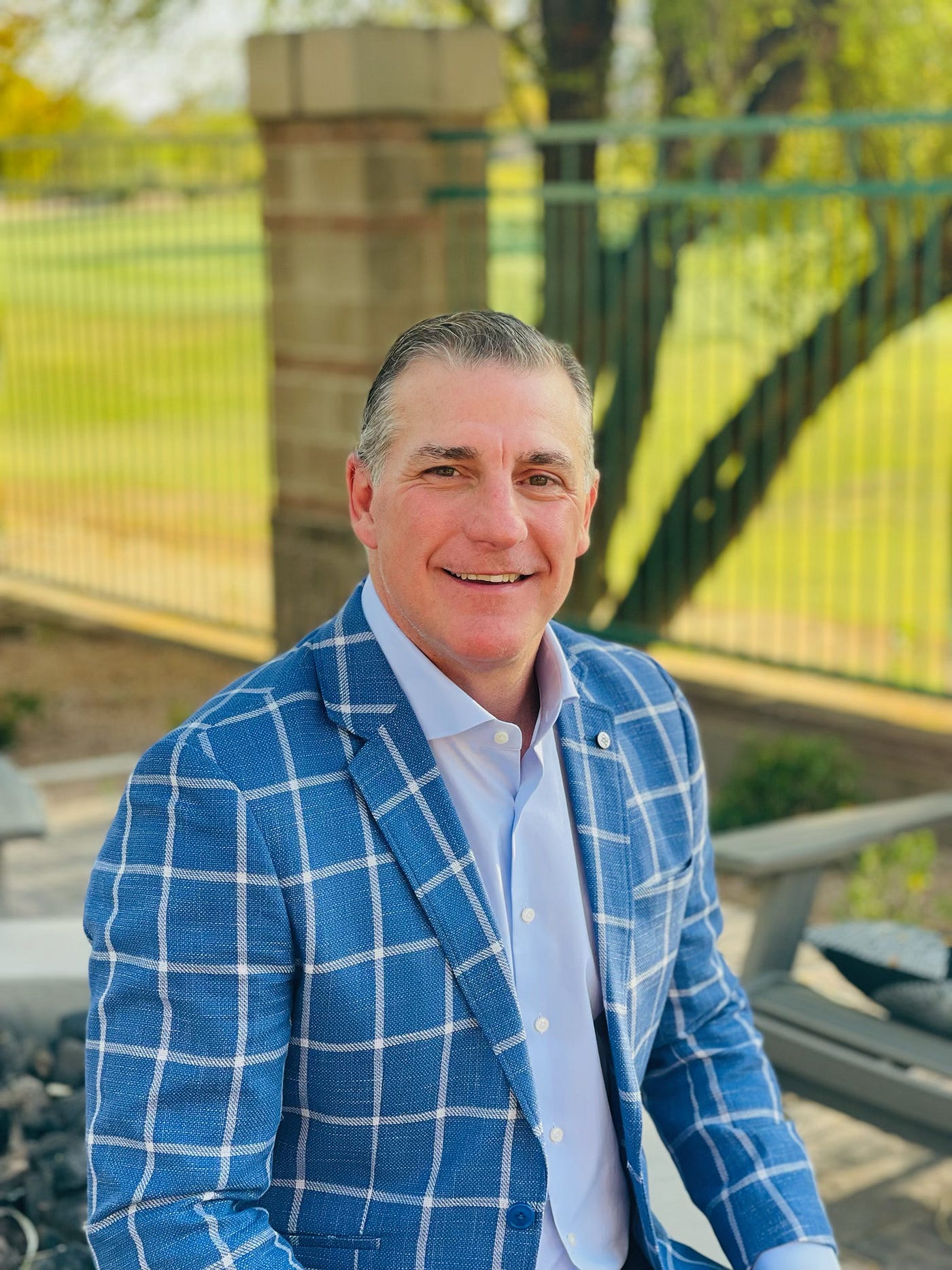
As a part of our series about the work ethic lessons we can learn from professional athletes, I had the pleasure of interviewing Freddie “Fred” Knipscheer.
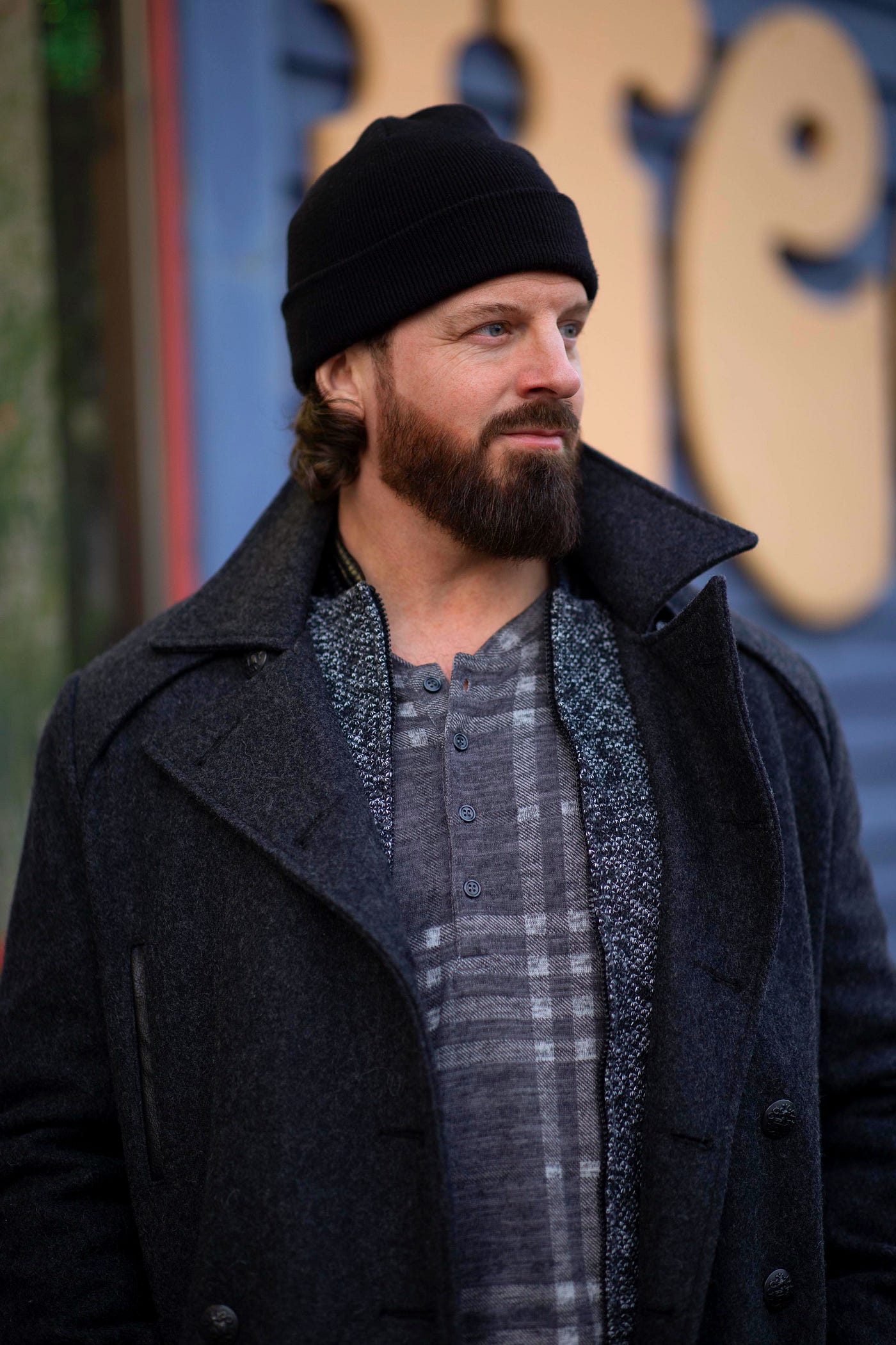
Freddie “Fred” Knipscheer is a former professional hockey player with the NHL’s Boston Bruins. Since his time at the Bruins, Knipscheer has forged a path in the real estate and hospitality industries, most recently as a general manager of Pier 48 in Indianapolis, Indiana.
Thank you so much for doing this with us! It is a great honor. Our readers would love to learn more about your personal background. Can you tell us the story of how you grew up?
I was born in Fort Wayne, Indiana. When I was one, our family moved to West Boylston, Massachusetts, to be closer to my mother’s side of the family. I have one brother who tragically passed away in May of 2023. We were a tight-knit family, often enjoying family dinners at my nana’s house. Growing up in Massachusetts was filled with cherished memories, especially revolving around sports. Football, baseball and hockey were staples, and the outdoor rink in our small town became a second home. My parents’ support fueled my passion for hockey, which eventually led me to be drafted by the Omaha Lancers of the United States Hockey League (Jr.A ) At 17. Three years later, I earned a full ride scholarship to play D-1 hockey at St. Cloud State University, where I excelled both on and off the ice. Majoring in business administration and minoring in psychology, I signed with the Boston Bruins, fulfilling my childhood dream of playing professional hockey. My journey was made possible by the love and support of my family and friends, for which i am forever grateful.
What or who inspired you to pursue your career as a high-level professional athlete?
Growing up my dad introduced me to many different sports. From an early age I loved the competition and the feeling of belonging to a team. As a kid although it was a dream of mine to play professional hockey, I never really saw it as a possibility. My parents never pushed me to play or practice — I just always wanted to be playing and doing the things I loved growing up. When I was in college at St. Cloud State is when I started to believe that becoming a professional hockey player was a possibility. That’s when I started to believe and focus on what it would take to fulfill my dreams.
None of us can achieve success without some help along the way. Was there a particular person who you feel gave you the most help or encouragement to be who you are today? Can you share a story about that?
Frank Sarratore. Coach Sarratore was my most significant influence growing up. Not only did he believe in my abilities as a player, but also as a leader and individual. Appointing me as the captain of the Omaha Lancers Jr. A team, he imparted invaluable lessons on leadership while instilling in me the confidence to bring out the best in others. His unwavering belief in me fueled me and instilled a profound belief in my own abilities to achieve my dreams.
Can you share the funniest or most interesting mistake that occurred to you in the course of your sports career? What lesson or takeaway did you learn from that?
While playing for the Worcester Ice Cats, which was the Minor League affiliate for the St. Louis Blues, we had a practice rink that we would have to practice at when there were events going on at our stadium. We would get mostly dressed at the stadium and then drive over to the practice rink. On this particular day I forgot to pack my skates in my bag when I left our stadium. Our coach made me go out on the ice in my full gear and my flip flops and run through the drills as if I had my skates on. I had to do this while I waited on our equipment manager to go back to get my skates. There were lots of laughs on my expense.
The lesson I learned was to make sure I always double check my equipment and to not assume you have everything. Always be prepared.While playing for the Worcester Ice Cats, which was the Minor League affiliate for the St. Louis Blues, we had a practice rink that we would have to practice at when there were events going on at our stadium. We would get mostly dressed at the stadium and then drive over to the practice rink. On this particular day I forgot to pack my skates in my bag when I left our stadium. Our coach made me go out on the ice in my full gear and my flip flops and run through the drills as if I had my skates on. I had to do this while I waited on our equipment manager to go back to get my skates. There were lots of laughs on my expense. The lesson I learned was to make sure I always double check my equipment and to not assume you have everything. Always be prepared.
OK, thank you for all of that. Let’s now shift to the core focus of our interview. As an athlete, you often face high-stakes situations that involve a lot of pressure. Most of us tend to wither in the face of such pressure and stress. Can you share with our readers 3 or 4 strategies that you use to optimize your mind for peak performance before high-pressure, high-stress situations?
- Meditation. I would meditate the night before every game as well as the day of the game.
- Studying. I would do film study on our opponents tendencies. The more I studied the more comfortable I felt once the game started.
- Breathing techniques. My sports psychologist taught me a breathing technique that would help calm my nerves and get me to center. I use this technique today when I feel overwhelmed or stressed.
Can you tell us the story of your transition from a professional athlete to a successful business person?
After retiring from professional hockey, I ventured into the real estate industry. Leveraging my extensive network and interpersonal skills, I established a thriving real estate business, securing optimal deals for my clients. Following a successful nine-year stint in real estate, I made a transition into restaurant management. Throughout my hospitality and restaurant career at Pier 48 in Indianapolis, Indiana, I’ve applied numerous skills acquired from sports, including teamwork, effective communication, strong work ethic, problem solving and discipline. These skills, honed during my professional hockey career, have been instrumental in my achievements in the realm of business.
What are some of the most interesting or exciting new projects you are working on now?
The most interesting endeavor I’m currently engaged in is self-improvement. After dedicating my life to sports and business, I realized that all my efforts were aimed at external success. Following the tragic loss of my brother and nephew this past year, I recognized the importance of focusing on my inner self. I decided to take some time off for self care. I have come to find that most men have a hard time investing in their mental health and asking for help. I sought out guidance from a life coach and embarked on a journey of personal growth. Through practices like journaling and exercising for mental well-being, I’ve discovered that true success stems from within. As I near the end of my healing journey, I feel more prepared than ever for the next chapter of my life, both personally and professionally.
Do you think your experience as a professional athlete gave you skills that make you a better entrepreneur? Can you give a story or example about what you mean?
Yes, I firmly believe that my experience as a professional athlete has equipped me with valuable skills for entrepreneurship. Primarily, my creativity, interpersonal skills honed during my hockey career, and ability to thrive under pressure have all contributed to my success in business. An illustrative example of these skills aiding my business success is evident in the need to adapt to changing circumstances, a crucial aspect of professional sports. In my third season, I was traded from the Boston Bruins to the St. Louis Blues. Overnight, I had to familiarize myself with new systems of play, integrate with 20 new teammates, and promptly find a way to excel in an entirely different environment. Possessing these skills has empowered me to adapt and overcome challenges in the business world.
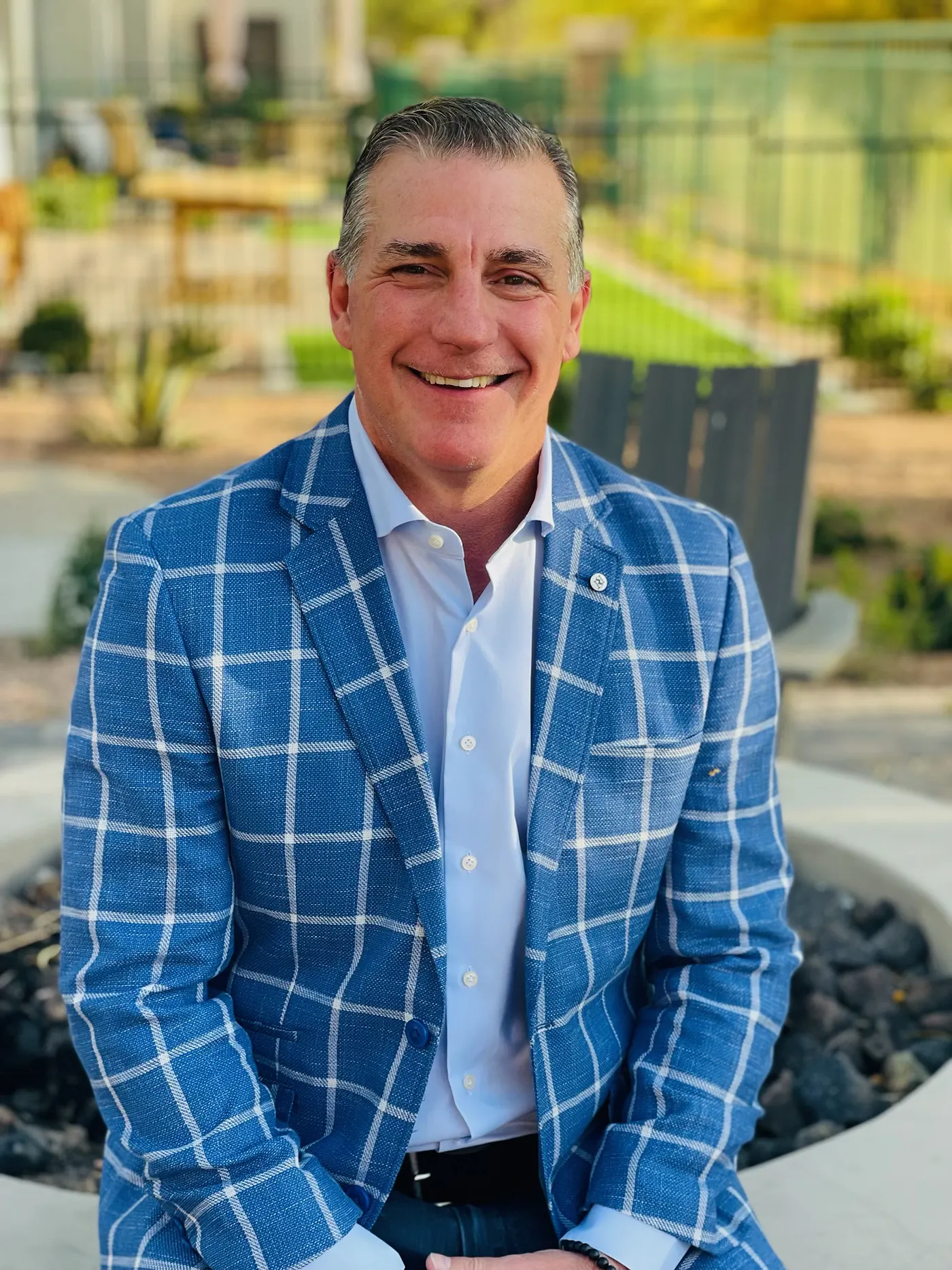
Entrepreneurs and professional athletes share a common “hustle culture”. Can you share your “5 Work Ethic Lessons That Entrepreneurs Can Learn From Athletes”?
- One percent less is the new standard. Every time you settle for less than 100% you operate at a lessor percentage. By giving just 1% less each week over one year, you are then operating at 48% of expectations.
- Applied knowledge is power. It’s not a matter of how smart you are; it’s how you utilize your knowledge. Being prepared and understanding every aspect of your job allows for confidence and power. How you use your knowledge is what sets you apart.
- Proactive vs. Reactive. As a leader, create an environment that you are proud of. Set your team up for success by planning for every possible scenario. This allows your team to pivot easily when challenges arise.
- Accountability. We must be accountable for our actions and lack of actions. Conversely, we must see to it that others are being held accountable. Fear of conflict has no place in the business world. Leaders must be comfortable holding one another to the highest standards.
- Be hard on the standard, not the person. Be comfortable with conflict, it’s the standard we are responsible to uphold. Do not confuse conflict with confrontation, nor take it personally. Just make it about the standard with NO excuses allowed.
What would you advise a young person who aspires to follow in your footsteps and emulate your career? What advice would you give?
The advice I’d offer to a young person aspiring to follow in my footsteps is to have faith in your capabilities. Always be attentive to others’ perspectives. Listening is a powerful learning tool. Surround yourself with successful individuals in your areas of interest and strive to emulate their keys to success. Remember, failure is part of the journey. Use setbacks as opportunities for growth and leverage them to achieve success in your future endeavors. Don’t hesitate to ask questions. There’s no such thing as a foolish question. Knowledge is power.
You are by all accounts a very successful person. How have you used your success to bring goodness to the world?
I’m currently working on developing a podcast aimed at supporting men in coping with loss and managing their mental health. Through my experiences, I’ve observed that many men struggle to seek assistance when facing challenges. Often, men, including myself, derive their identity from their careers or relationships. Consequently, when these aspects are lost, they can spiral into deep depression. My goal is to assist men in their path to discovering inner happiness and fulfillment.
You are a person of enormous influence. If you could inspire a movement that would bring the most amount of good to the most amount of people, what would that be? You never know what your idea can trigger. :-)
I would us sports as a vehicle for kids to teach them the importance of self confidence, leadership, empathy, inclusion, time management and I would show them how all these characteristics will apply to their everyday life as they move towards adulthood and achieving their goals.
Can you share your favorite “Life Lesson Quote”? Why does that resonate with you so much?
“DO or DO NOT! There is no try!” — Yoda! There is NO “I will try,” we either DO or DO NOT!
We are very blessed that some of the biggest names in Business, VC funding, Sports, and Entertainment read this column. Is there a person in the world, or in the US whom you would love to have a private breakfast or lunch with, and why? He or she might just see this, especially if we both tag them :-)
Matthew McConaughey. I read his book “Greenlights” and I found it to be so enlightening. It really made me think about my life and the goals I have for my next chapter. I would love to just sit with him for a few hours and pick his brain about life and how to best navigate the ups and downs of our journey here on earth. Matthew is also a big advocate of men’s mental health and I would love to discuss with him ways to reach more men about dealing with their mental health issues.
This was very inspiring. Thank you so much for the time you spent on this. We wish you only continued success.
AM
Written by
Authority Magazine Editorial Staff
Editorial Desk · Authority MagazineThe Authority Magazine Editorial Desk produces, verifies, and edits long-form primary-source interviews with executives, innovators, clinicians, creators, and social impact leaders across Business, Tech, Pop Culture, Wellness, and Social Impact.

Published inAuthority MagazineTop Lessons, Top Authorities · 42K Followers
Exclusive, curated interviews with the leaders and changemakers shaping tomorrow. Leadership lessons, industry deep dives, and executive profiles.