What started from necessity became our passion. We’ve always built our own projects, and a lot of our original crew of craftsmen are still with us today.
Business
Frank Cretella on In-House Craftsmanship, Family Legacies, and Resilient Entrepreneurship
The co-founder of Landmark Hospitality shares how growing up in family businesses shaped a lifelong entrepreneurial journey defined by design, resilience, and community.
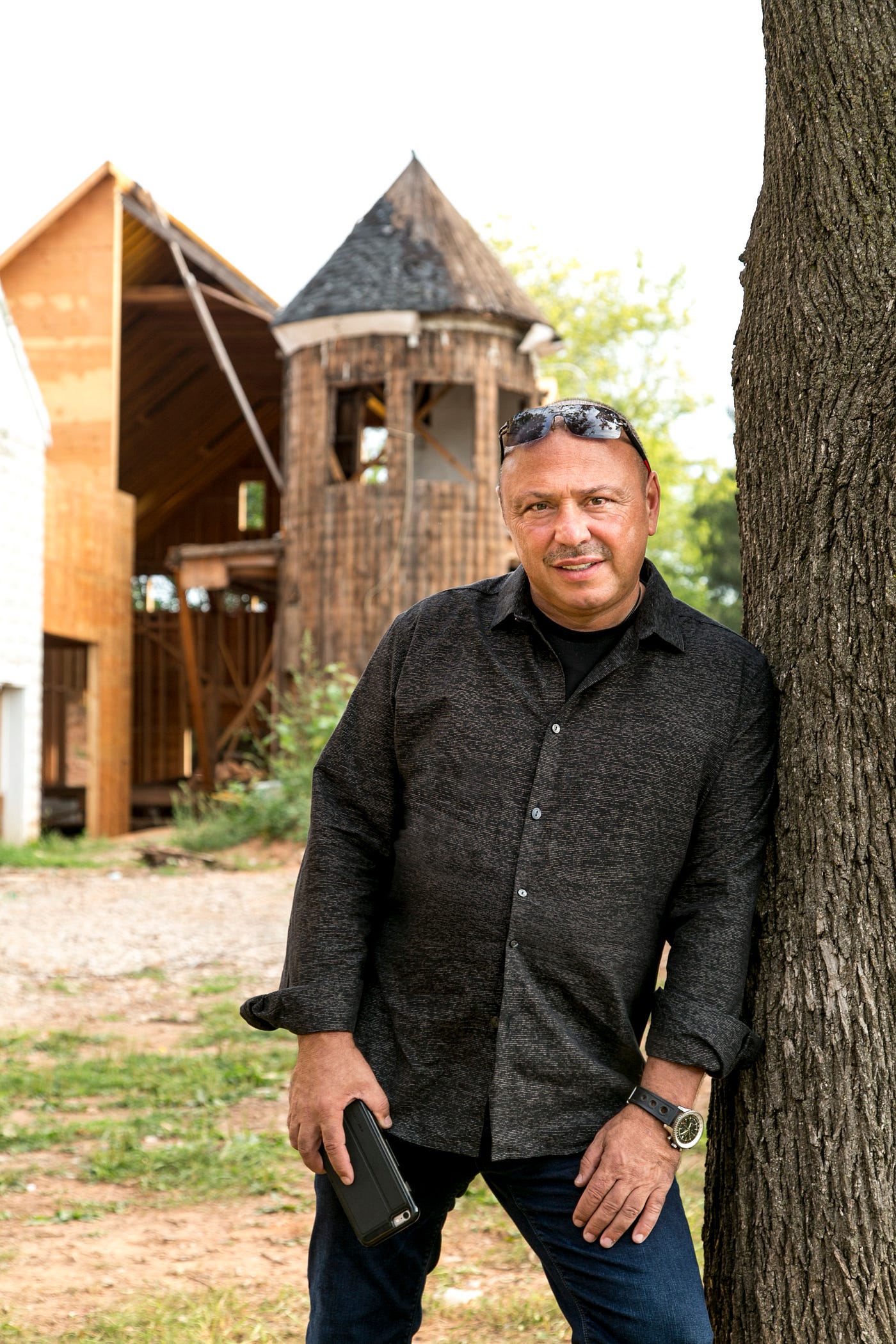
As a part of our series about 5 Things You Need To Run A Highly Successful Family Business, I had the pleasure of interviewing Frank Cretella.
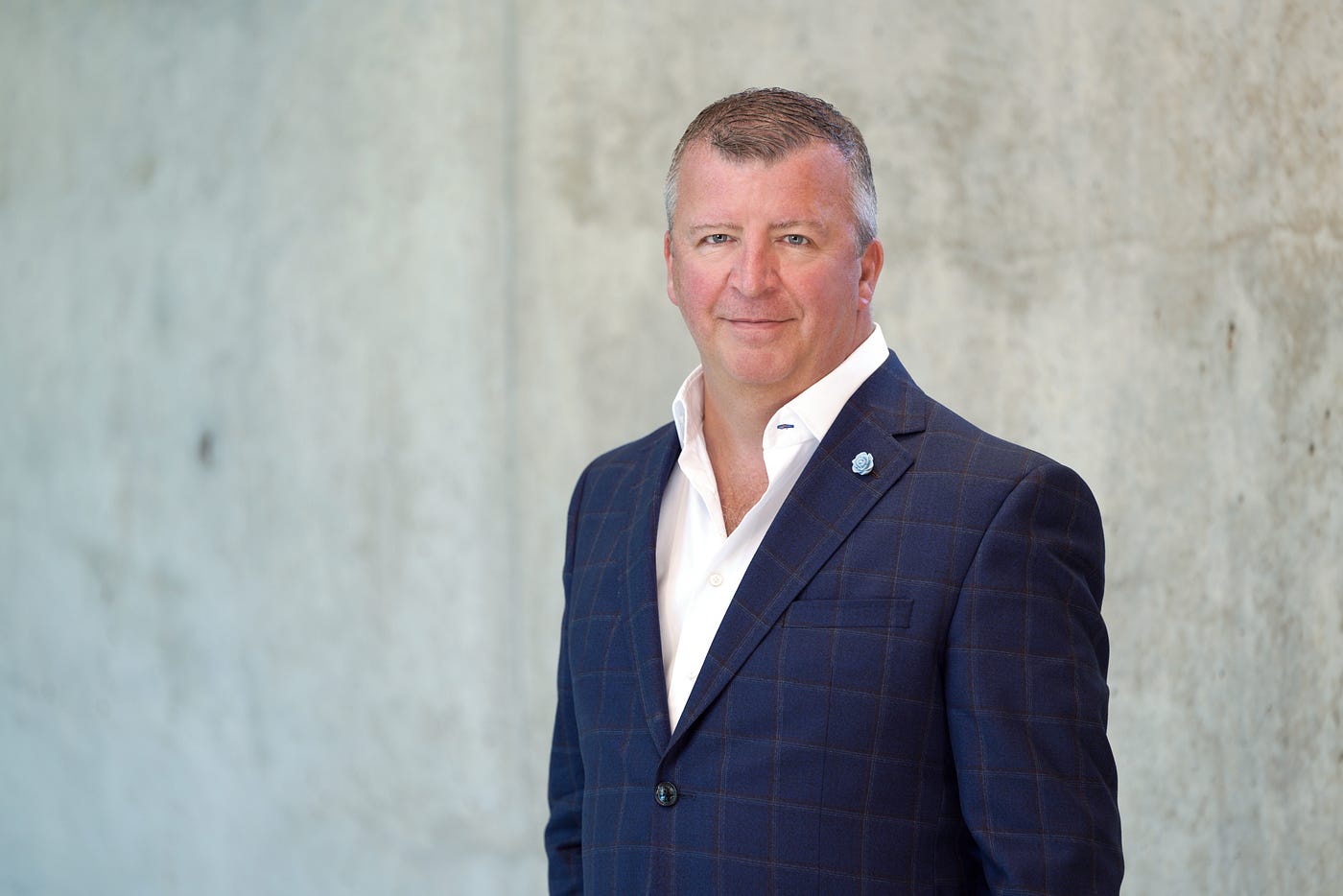
Frank Cretella is the Co-Founder and Principal of Landmark Hospitality alongside his wife, Jeanne Cretella. Landmark Hospitality owns and operates a portfolio of over 14+ distinctive venues, boutique hotels, and upscale restaurants throughout New Jersey and Pennsylvania and continues to grow. Landmark is all about people, exceptional experiences, relationships, and celebrations — this mentality is what has helped them to grow their team to hundreds of employees, many of which have been with them for over 20 years.
Thank you so much for joining us in this interview series! Before we dive in, our readers would love to learn a bit more about you. Can you tell us a story about what brought you to this specific career path?
Throughout the years, business and entrepreneurship became something that I enjoy. I discovered a love for building businesses, and along the way I learned how to accomplish different elements, like design and construction in-house out of necessity. Starting out, we couldn’t afford to hire anyone to do it, and it made us realize the benefits of doing things ourselves; the collaboration and freedom it gives us wouldn’t be possible if we hired an external team. What started from necessity became our passion. We’ve always built our own projects, and a lot of our original crew of craftsmen are still with us today.
Can you tell us a bit about your family business and your role in it?
I grew up in a family business. My parents owned an ice cream shop that they ran together, and being surrounded by that at a young age instilled their strong work ethic in me. My wife Jeanne and I have been together since we were twelve, and we’ve both been entrepreneurial from that age. We’ve always been partners in life and business, which is where our love for running Landmark Hospitality has come from. We started by operating our own towing company from the age of sixteen, with five trucks total in our fleet. From there, we ventured into the food industry, where elements of construction came from the necessity of in-house work I mentioned earlier. Our daughter, Maddy, soaks up everything like a sponge. She understands what we do and why we do it, which is why I hope she can continue Landmark on as a family business someday.
Can you share the most interesting story that happened to you since you began this career?
Since Jeanne and I started out so young, there have been so many memorable moments throughout our careers. It’s hard work, and, in turn, there have been difficult moments, but the good stories that come out of our experiences make all of that effort worth it. We get most excited when our visions get approved, and we can begin to bring them to life because every one of our projects is so personal. All of them have a story, from the historical context of the locations we choose to purchasing the property, to all of the challenges that come throughout the process. We embrace every moment and how it contributes to the story of our business legacy. When we get those victories, like a project we got approved recently after a three-year process, all of the problems along the way seem to disappear.
Can you share a story about the funniest mistake you made when you were first starting? Can you tell us what lesson you learned from that?
From the early start of our entrepreneurial journey, there have been some funny moments to accompany those victories. In the early days, before cell phones (if you can imagine that!), we ran a catering business. We were invited to cater the wedding of a family friend in Pennsylvania. Jeanne and I arrived early with a young staff member to help us prepare everything ahead of the rest of the staff, who were arriving on a bus later. The bus, full of our team and supplies for the entire reception, got lost (once again, no cell phone GPS). With no wedding cake, staff, or supplies, Jeanne scrambled to set everything up while I stepped into the role of chef, which I had never done before. The young staff member we had brought with us was so frazzled that when I asked him to bring out our main course, a whole turkey, it slipped off the tray and onto the floor; it was practically straight out of a movie.
Despite the challenges, which we look back and have a good laugh about now, those stories taught us lessons that we’ve carried while building our business. The first lesson, thank God for cell phones! But on a serious note, this situation taught us to always be prepared, which has become an integral part of our business practice. Everything needs a roadmap and a backup plan to prepare for any situation. When that doesn’t work, improvising is key. Being able to react on the fly with a solution-oriented mindset prepares you for any situation, even if a turkey ends up on the floor.
What do you think makes your company stand out? Can you share a story?
The relationships that we have built with everyone, at every level of our company, is our biggest asset. At every location, when I walk on site, it feels like family. I enjoy it the most because Jeanne, Maddy, and I are the common thread. I like to think of myself as the likable uncle of the company. I love to hear about everyone’s families and lives as we work together. It creates a familiar sensation of community throughout the company. A family-oriented culture is not easy to create or maintain. You have to be willing to put in the work, sit down and work out issues, and be mindful in creating experiences that make everyone feel included and a part of the process. It’s our secret weapon — communicating effectively and giving our employees the tools to maintain the mundane issues to spend time with each other and focus on our guests and craftsmanship.
Are you working on any exciting new projects now? How do you think that will help people?
One of our newest locations, the Logan Inn in New Hope, Pennsylvania, has all of the elements we love in a project. Opening July 29th, the Logan Inn is part renovation and part new construction to accompany its rich historical context. It’s a larger campus than what we’re used to, but we’ve had a great time utilizing the space to create a variety of different settings. We’ve made a conscious effort to add new dimensions that pay homage to the history of New Hope’s artists, musicians, and painters. We hope the Logan Inn serves as an exciting environment for new, younger artists. That’s impactful for a community. Keeping families invested in their communities is incredibly important to us, which is why we’ve established programs for artists to rotate in and out of the property to perform their work.
None of us are able to achieve success without some help along the way. Is there a particular person who you are grateful towards who helped get you to where you are? Can you share a story about that?
I’m so grateful for Jeanne and the great team we make. I’m also thankful for our upbringing. Our parents were close with one another and introduced us to their businesses at a young age. We were surrounded by a lot of positive influences, which I believe is the foundation of the amazing partnership we have today.
How have you used your success to bring goodness to the world?
Our Hospitality Foundation is what we hope to be our legacy. The hospitality industry has been good to us, but we recognize that it’s a complex business; we love these challenges and have embraced them in every way possible. This is why we established the foundation in order to give back to the hospitality community and help others build their own careers. Hospitality is known for not only helping young people prepare for success in their future fields, but also for allowing people to build a career that they can easily be passionate about. We hope that our business and foundation can facilitate this growth for others in an industry that has provided us with many incredible opportunities.
For example, we had a worker early on who now works for Goldman Sachs. He was recently interviewed, and when asked what his key to success was, he said his experience working with Jeanne and I. I get emotional just talking about it. The hospitality industry allows you to instill authority and responsibility in young people by giving them keys to a facility or letting them handle money. These experiences empower young people to cultivate their independence and authority early on. There are so many stories like this one that come out of our company, and I hope there will be many more to come in the future.
How do you define a family business? How is a family business different from a regular business?
There’s nothing like a family business, through the good times and bad. The element of a family business that sets it apart is the camaraderie — everyone is a part of a common front. In public companies, everything is done by committees and debates with stockholders that can dilute itself. Corporations can be siloed, creating that sense of exclusivity that alienates members of the community. A family business is focused and communal. Landmark Hospitality itself is very lucky, as Jeanne and I are always in sync. We’ve had separate roles across the company that has occasionally flipped, but I can count on one hand the number of times we’ve thought of doing something a different way. We always seem to be in tune with each other, with quick decision-making and common goals.
In your opinion or experience, what are the unique advantages that family owned businesses have?
In a family business, there’s a lot less restriction due to hierarchies or red tape. Communication and compassion are two aspects of family businesses that make it feel genuine, relying on human interaction. I’ve always been proud of these aspects and feel like this gives businesses the freedom to make decisions that are best for them based not only on business but the employees that make the company what it is.
What are the unique drawbacks or blindspots that family owned businesses have?
One thing family businesses tend to overlook is strategic succession planning. When you develop something from the ground up, which we’ve done with Landmark Hospitality, you want to see it have a long life through several generations. Therefore, it’s essential to do lots of planning around who the next generation will be and who you’re surrounding those future leaders with. Right now, Jeanne and I fill two important roles in the company. It would be unfair to ask Maddy, our only child, to fill that much responsibility, which is why we make a conscious effort to scale our management down and bring in young people we believe in to be real team members to Maddy for the future.
What are some of the common mistakes you have seen family businesses make? What would you recommend to avoid those errors?
One major mistake we avoid is showing division among family members. If we want our team to work together as a cohesive unit, we want to be the ones setting that example through our actions. We also notice many family businesses setting expectations for their children to put in the same amount of time and effort into the business as older, founding family members have. Some families expect it, but I think it’s unfair. The world is different, and the same expectations shouldn’t be applied.
What advice would you give to other CEOs or founders of family businesses to help their employees to thrive?
Always create ways to ease communication in your team, like creating open forums for employees to express themselves freely. I also encourage others to utilize technology intelligently by automating mundane tasks to focus on the team, family, and guests. We’ve seen this work in allowing employees to be creative and focus more on creating genuine interactions and relationships within the team and with our guests.
How do you define “Leadership”? Can you explain what you mean with a story or example?
I like to go the extra mile to make sure my teams feel seen and understood, like they’re a part of the family. I know everyone at our sites by name, if they have kids, etc. I try to create these meaningful relationships to cultivate the inclusive culture that drives our company. I’m also a believer in trying to do something special to show appreciation to the people who are making our company the best it can be, such as buying lunch or surprising everyone with drinks at the end of a long day. Making these small efforts in everyday interactions cultivate company culture in the long run.
Here is our main question. What are the “5 Things You Need To Run A Highly Successful Family Business”? Please share a story or example for each.
- Don’t let your business feel second to corporate conglomerates — Family businesses should embrace what they are–just that! Don’t fall for the bureaucracy of other companies or be embarrassed because of it. Be proud of your business, shout it out, it’s a positive thing! Corporations mean more red tape, and hierarchical structure such as chairmen and CEOs. Instill your values in the teams at every location so they understand the family story, what makes it unique, and the principles behind the business.
- Always seek to improve — As a family business becomes stable and matures, you should never look at it as being enough. People love to work for a company that is growing and expanding, which means maintaining growth should be a main priority. If you’re satisfied, that’s a mistake. I’m not talking monetarily, but you should always think of what you can do next that keeps the company cutting edge and innovative. I do tremendous amounts of reading in design, look up construction methods, visit new hospitality sites, dine out frequently, and go to different hotels in an effort to see what’s out there. If you don’t understand something, that doesn’t mean it’s wrong, but you should always go the extra mile to understand how you could apply it to your business.
- Automate the mundane — As I mentioned before, as a family business you want to stay cutting edge with generations of different ages working together. Embrace what’s new in tech and apply it intelligently. We hired programmers to automate the function of closing out each night at our businesses, so managers just push a button and everything is calculated, with the report automatically sent out the next day. This simplification allows people to do a more personal and creative job, making things more interesting and also easier.
- Growing sales is more important than cutting expenses — As family businesses grow, they may struggle with new ideas to generate revenue. Many make the mistake of focusing on cutting expenses rather than growing sales. When sales are dropping and you cut expenses to maintain a profit margin, it’s like catching a falling knife. Instead, we put more emphasis on marketing and building a team of photographers and videographers, with analytics to put an emphasis on growing sales. The first overall business rule we follow is to always compete on quality and uniqueness over pricing. The second, concentrate on growing sales over cutting expenses.
- Create a seamless transition period — It’s the responsibility of the previous generation to make this transition between leadership as seamless as possible. Ensure they’re surrounded by the support they need to allow the business to flourish. Make sure to bridge generational divides, because the mindset of “when I’m gone, you’ll have a chance to do things your way” is not smart, as it leaves the next generation a business that isn’t theirs.
Can you please give us your favorite “Life Lesson Quote”? Can you share how that was relevant to you in your life?
I have a lot of quotes I’m a fan of, but one I’m known for is, “when you want blue skies, grab a paintbrush.” You’re in control of your own life and make your own luck, you have to follow your own path. It’s my favorite quote.
We are very blessed that some of the biggest names in Business, VC funding, Sports, and Entertainment read this column. Is there a person in the world, or in the US with whom you would love to have a private breakfast or lunch with, and why? He or she might just see this if we tag them
I would say there are two. First, Gary Vaynerchuk. Even though he’s younger, he has such a unique perspective on business. I’d love to sit down and talk with him about growing sales and cultivating lifelong customers. Second, Richard Branson. He’s the epitome of an entrepreneur. He has a can-do attitude and is very empathetic to all of those he works with, making him a good leader.
You are a person of great influence. If you could inspire a movement that would bring the most amount of good to the most amount of people, what would that be? You never know what your idea can trigger.
Part of what I want to do, which COVID-19 has delayed, is entrepreneurship education — teaching entrepreneurship to those it’s not offered to. Entrepreneurs elevate people, create careers and bring great things into the world; business can cure everything. You don’t have to go to college to be the greatest entrepreneur, and I would love to do more mentoring programs that facilitate these discussions.
How can our readers further follow your work online?
LinkedIn: Frank Cretella, Landmark Hospitality
Website: www.landmarkhospitality.com
Instagram: @landmarkhospitality
Thank you for these fantastic insights. We greatly appreciate the time you spent on this.
JH
Written by
Jason Hartman
Editor & Journalist · Authority MagazineJason Hartman is a senior columnist at Authority Magazine covering Business and Tech, conducting primary-source Q&A interviews with founders, executives, and industry leaders.

Published inAuthority MagazineTop Lessons, Top Authorities · 42K Followers
Exclusive, curated interviews with the leaders and changemakers shaping tomorrow. Leadership lessons, industry deep dives, and executive profiles.