The way I see it, when a woman rises in a male-prevalent field she has one of two options: embrace the qualities of the men who currently lead the industry or be authentic to herself.
Pop Culture
Emily Staker of Summit Athletes: The Authenticity Test That Separates True Advocates From Traditional Sports Agents
The NFL agent and NIL operations director reveals how maintaining unwavering personal authenticity in a male-dominated industry is the true key to elite player representation.
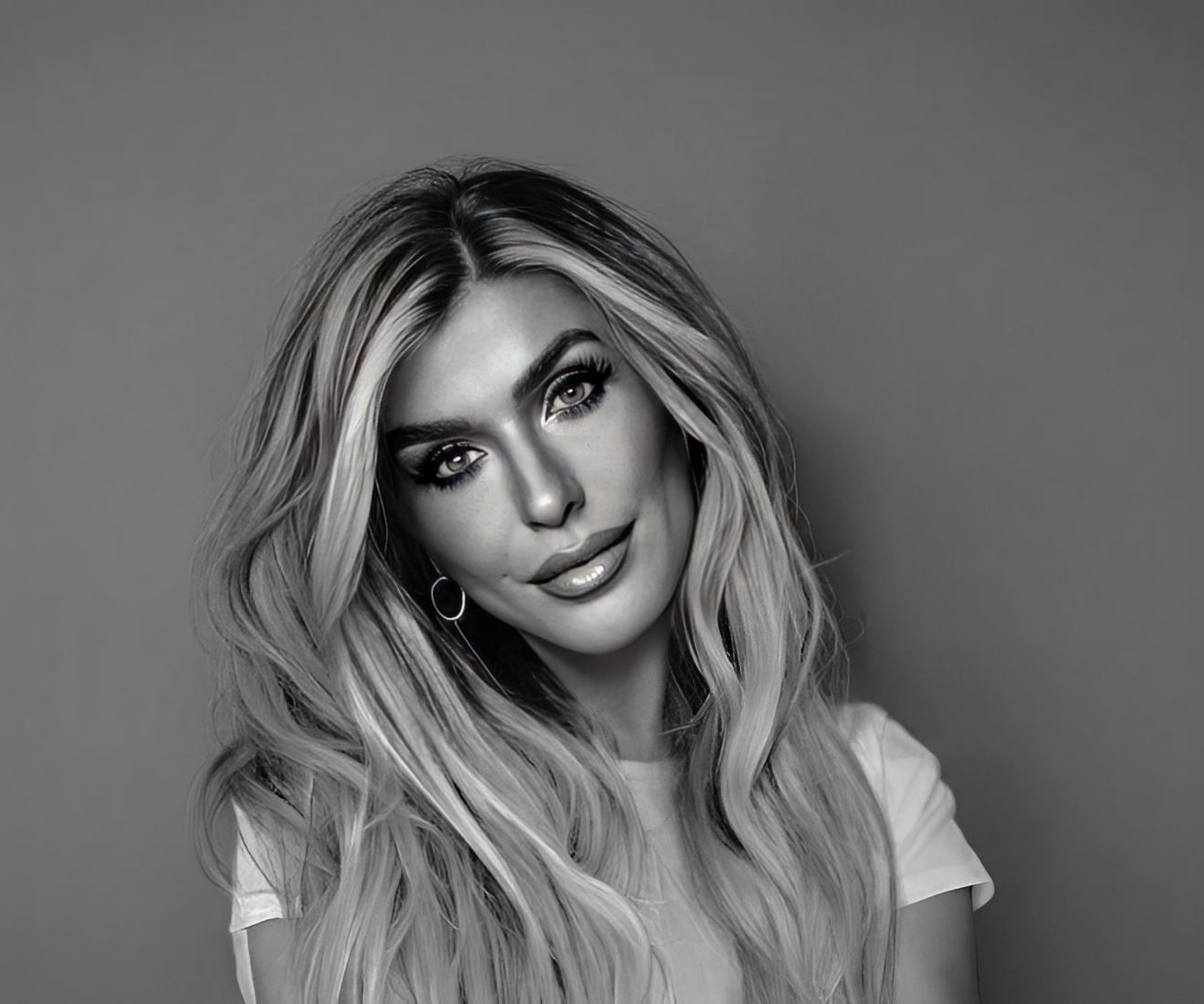
As a part of our series about women who are shaking things up in their industry, we had the pleasure of interviewing Emily Staker.
Emily is an NFL Agent at Summit Athletes, where she is also the Director of Name, Image, and Likeness Operations for college athletes. As one of the few women NFLPA Certified to represent players, Emily has worked to disrupt the status quo for player representation through authenticity and integrity. Emily graduated Magna Cum Laude from Gonzaga University in 2017 and received her Juris Doctor from the University of Denver Sturm College of Law in 2020.
Thank you so much for doing this with us! Before we dig in, our readers would like to get to know you a bit more. Can you tell us a bit about your “backstory”? What led you to this particular career path?
I grew up in a rural area of North Idaho and I have always been a competitor which is why sports were such a foundational part of my life. In high school, my greatest mentor was a teacher who was also the football coach. I was his teacher’s assistant my senior year and through that I witnessed the college recruiting process first-hand, and interacted with several coaches who were coming through to talk to players who I’d known for years, some of which were my closest friends. That experience played a significant part in my story because I saw how important it was for athletes to have people in their corner who had their best interests at heart. Whether it is a coach, a family member, or an agent, having advocates and a support system are vital for any athlete. Once I got to law school, I knew that representing athletes was exactly where I needed to be.
Can you tell our readers what it is about the work you’re doing that’s disruptive?
The way I see it, when a woman rises in a male-prevalent field she has one of two options: embrace the qualities of the men who currently lead the industry or be authentic to herself. I have tried my best to embrace the latter as I firmly believe there is no singular “right” way to be a successful agent and advocate. So much of an agent’s job is recruiting talent, and I have made a conscious effort to be transparent and honest in who I am, what I stand for, and what I value throughout the recruiting process because I want my clients to know who will be standing on the table for them when it matters most. I am not sitting in a kid’s living room selling him on what car I drive or how much money I have. I want them to know how much I cherish my family, how much I love the game, and why I will be there throughout the highs and the lows of their career because I am not afraid of adversity.
Can you share a story about the funniest mistake you made when you were first starting? Can you tell us what lesson you learned from that?
I faced a lot of hurdles as I was starting out — I can’t tell you how many times I was so worried about proving my knowledge of the game to a prospective client that I would stay up all night watching his film. I was overworking myself into the ground just to feel worthy of landing players. It took time for me to realize that a lot of my male counterparts were putting in half the effort and had twice as much confidence. I really struggled with feeling like I had done enough to prove I knew the inner workings of this game because the truth is I didn’t ever play it — but neither did a lot of coaches, scouts, team personnel, and other agents. I realized I was holding myself to the standard of perfection when my focus should have been on working the hardest and doing my best to do right by others. In hindsight, I think most women who work in football have all had a similar experience, but over time I have learned to worry less about proving that I deserve to be here and focusing more on how to be a true competitor.
We all need a little help along the journey. Who have been some of your mentors? Can you share a story about how they made an impact?
I really hit the lottery when it came to mentorship. I began working for an agency in law school where I worked under Craig Domann, who had been an agent for several decades. Craig ran a boutique agency and was a great teacher for me. He practiced in a way that was true to his values and he had developed a great sense of trust between himself and his clients. After law school, once I was certified, I was connected with Derrick Fox who I now work alongside at Summit. Meeting Derrick was an instrumental part of my path, and his 30+ years of experience as an NFL agent has proven to be extremely valuable — not just to me but to all of our clients. I am very fortunate to have learned under two veterans of the industry and owe a great deal of my success to their belief in me.
In today’s parlance, being disruptive is usually a positive adjective. But is disrupting always good? When do we say the converse, that a system or structure has ‘withstood the test of time’? Can you articulate to our readers when disrupting an industry is positive, and when disrupting an industry is ‘not so positive’? Can you share some examples of what you mean?
In football, an offense’s job is to execute, and a defense’s job is to disrupt. That disruption is just as much a valued part of the game and necessitates constant improvement on the other side of the ball. Similarly, I think disruption in the player representation space is positive at present as it relates to diversifying not just as it relates to our identity but also in our philosophies. In a truly competitive space, we are all motivated to be our best, which is why I welcome disruptors who hold themselves to a high standard. However, there is currently some discourse over the strict requirements necessary to become certified and whether someone should have to receive a graduate degree, pass the NFLPA exam, and pay agent dues in order to represent players. I have witnessed first-hand the types of opportunists who will take advantage of a rising athlete — and for that reason, I do think there should be strong safeguards to ensure quality representation. Agents should be well-versed in the Collective Bargaining Agreement and should be able to pass a thorough background check as is required by the NFLPA. In that sense, I would push back on the “talent managers” who don’t value the certification process. Our players deserve the best, and anyone who wants to represent them should be motivated to go about it properly in order to do so.
Can you share 3 of the best words of advice you’ve gotten along your journey? Please give a story or example for each.
There is a quote from one of my favorite poets, Hafiz, that “the words we speak become the house we live in.” In my time as an agent, I have learned how powerful our words can be in defining not just how we are perceived by others, but how we perceive ourselves. I try to be conscious of how I speak not just about others but about myself for this reason.
Another quote I have learned to live by is that your direction is more important than your speed. I think it is easy to get caught up in the chase of the next accolade or milestone and lose sight of your direction. Knowing what my values are and sticking by them in each decision has been vital in my path and has kept me moving in the right direction.
I was also taught early on that if I was serious about this path, I needed to have a “burn the boats” mentality. Failure has never been an option for me, and I have made choices accordingly. Getting here has required a lot of sacrifices but I wouldn’t have had it any other way. I knew this was what I wanted, and I was willing to sacrifice the time and energy to get here knowing that there would be no going back.
We are sure you aren’t done. How are you going to shake things up next?
One of my bigger focuses at present is ensuring that we build our agency so that we continue to be self-sustaining without the need for outside investment. It is very common for agencies to be bought out by venture capital firms or be tied to investor money, and while I certainly can understand wanting to be compensated for building a valuable client roster, I have never been interested in having that type of relationship with outside investors. I enjoy working with investors on behalf of our clients, but I don’t aspire to work for one. I want to have full ownership over the decisions I make, the clients I represent, and the name we build for ourselves. In that sense, I think independent agencies will continue to be disruptive to our industry.
In your opinion, what are the biggest challenges faced by ‘women disruptors’ that aren’t typically faced by their male counterparts?
As I mentioned earlier, I think there is certainly a greater hurdle for women to represent athletes in a sport we didn’t play. Our knowledge and understanding of the game are always in question, so overcoming that has been a major part of my experience and the experience of other women I know in this space. The reality is any woman who is able to get certified and sign her first player has already overcome hurdles that thousands of men have either failed to do or have been too afraid to even try. Once you get that first contract — no one can take that away from you — and the adversity no longer feels insurmountable.
Do you have a book/podcast/talk that’s had a deep impact on your thinking? Can you share a story with us?
The book that has had the biggest impact in how I represent clients is The Four Agreements by Don Miguel Ruiz. It’s a quick read but it delves deep into ideas that have been foundational to who I am, and it touches on integrity and honesty which I value greatly.
You are a person of great influence. If you could inspire a movement that would bring the most amount of good to the most amount of people, what would that be? You never know what your idea can trigger. :-)
Education was the conduit for my success, so I am very passionate about advocating for strong public-school systems and fair compensation for teachers. We are only as strong as the most vulnerable members of our society, and I think ensuring a high-quality education for our children should be paramount in any conversation regarding our future.
Can you please give us your favorite “Life Lesson Quote”? Can you share how that was relevant to you in your life?
I attended Gonzaga University and Gonzaga Preparatory High School and was thoroughly educated in the teachings of the Jesuit tradition. One of the more prominent Jesuits, St. Ignatius, has a quote that “One rare and exceptional deed is worth far more than a thousand commonplace ones.” That quote encapsulates a greater Jesuit teaching that we all should strive for personal excellence in our lives, and it has shaped the standards I have set for myself throughout my career.
How can our readers follow you online?
I am on Threads and Instagram @emily_staker and my Twitter handle is @emilystaker
This was very inspiring. Thank you so much for joining us!
AM
Written by
Authority Magazine Editorial Staff
Editorial Desk · Authority MagazineThe Authority Magazine Editorial Desk produces, verifies, and edits long-form primary-source interviews with executives, innovators, clinicians, creators, and social impact leaders across Business, Tech, Pop Culture, Wellness, and Social Impact.

Published inAuthority MagazineTop Lessons, Top Authorities · 42K Followers
Exclusive, curated interviews with the leaders and changemakers shaping tomorrow. Leadership lessons, industry deep dives, and executive profiles.