My Dad taught me that in order to be successful in the business, you need to learn every side and every angle so no one could take advantage of what you didn’t know.
Business
Elle Cameron-Kaufman of The Creatives Group: How Mastering Every Aspect of Music Management Helped Build Timeless Artist Legacies
Music executive and entrepreneur Elle Cameron-Kaufman shares her journey from interning at iconic agencies to shaping major label strategies and launching her own management firm.
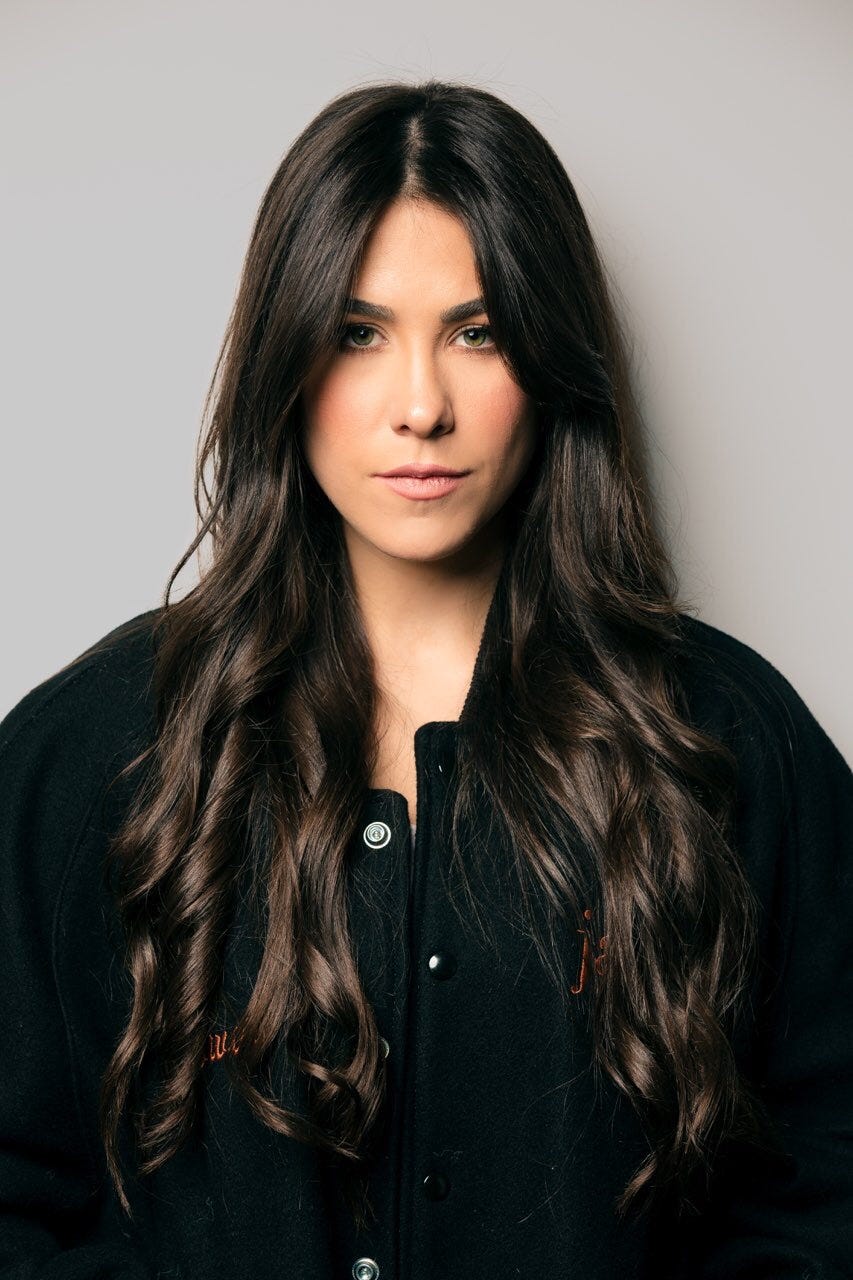
How does a successful, strong, and powerful woman navigate work, employee relationships, love, and life in a world that still feels uncomfortable with strong women? In this interview series, called “Power Women” we are talking to accomplished women leaders who share their stories and experiences navigating work, love and life as a powerful woman.
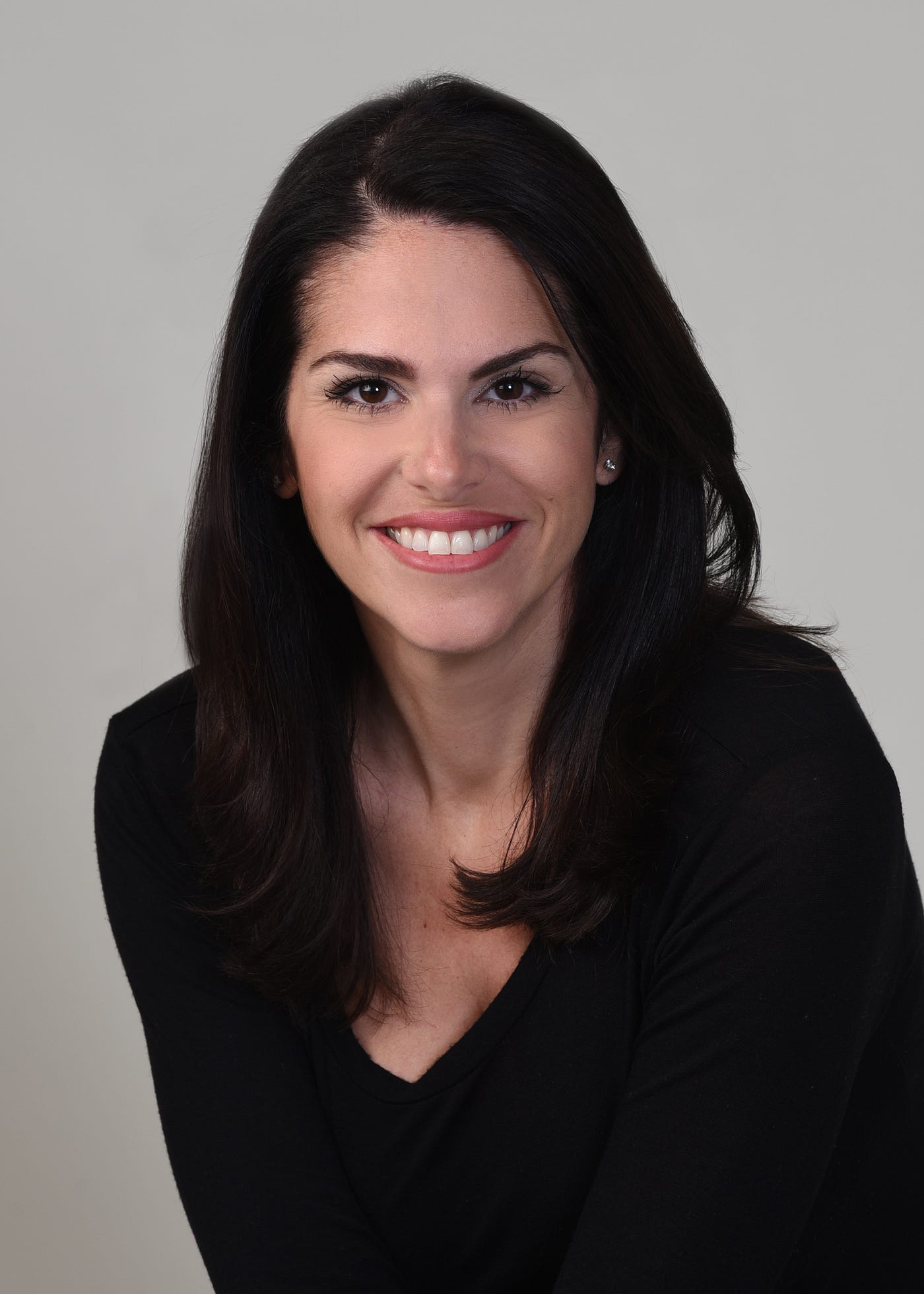
As a part of this series I had the distinct pleasure of interviewing Elle Cameron-Kaufman.
Elle Cameron-Kaufman received some timeless career advice from her dad, the late Rock Music Manager Howard Kaufman — if you want to succeed in music, learn every aspect of the business. She began her career in the music industry at the age of 16 at Azoff Music Management where she worked with artists such as The Eagles, Christina Aguilera, and Fleetwood Mac. From there, Elle went on to intern at Live Nation and CAA routing tours, working on marketing campaigns, and coordinating partnerships for some of the world’s biggest artists, including One Direction, Justin Bieber, and Ariana Grande. After college graduation, Elle went to work closely with her father at HK Management for 6 months until his tragic passing. Feeling lost and nearly walking away from music entirely, she sent her resume to countless companies and people across town, hoping to land a job somewhere in the industry. One of the few responses she received was from Larry Rudolph, who connected her with Adam Leber of Maverick (Miley Cyrus, Fifth Harmony, Lil Nas X), and after an hour talking over coffee, she started working for him the same day.
In May 2020, Elle joined Universal Music Group’s newest team (Music Strategy & Tactics) as their Pop Curator & Strategist. Under the leadership of Mike Biggane & Sam Juneman, she worked alongside all UMG labels to create innovative strategies for their artists (including Taylor Swift, Shawn Mendes, Sam Smith, and J Balvin) to market and drive revenue in the ever changing landscape.
One of the more notable projects led by Elle was the launch of the Taylor Swift chapters that went alongside her albums — Folklore, Evermore, and the Fearless re-records. These significantly helped to drive track discoveries, extended the life cycle of the albums, and led to the breaking of new records. Aside from album campaigns, Elle also curated playlists, created new curation brands, and ran large scale campaigns around key moments in artist careers at UMG.
Elle left Universal Music Group in 2022 to focus on launching her label, Elle Records, and growing her management business, The Creatives Group, where she manages pop duo Grey (“Starving”, “The Middle”) and rising pop singer Gia Woods. In a world where most managers are focused on quick viral moments, Elle centers her business around building timeless careers and enterprises. Her involvement in the industry changing artist franchise, Margaritaville — has laid the blueprint for her approach to artist development, not afraid to capitalize on virality but with a bigger focus on legacy.
Thank you so much for doing this with us! Before we dig in, our readers would like to get to know you a bit more. Can you tell us a bit about your childhood “backstory”?
I was born in Nashville and moved to LA at the age of 5, where I was raised by my Dad, Howard Kaufman, who was a rock n’ roll manager (Fleetwood Mac, Aerosmith, Jimmy Buffett, Lenny Kravitz, Def Leppard, and more) and my Mom, Caroline Kaufman, who is an amazing songwriter, who actually turned down a big record deal and decided to work alongside my dad and be a mom instead of pursuing fame. Despite being born into the industry, my family was really normal — my parents both came from nothing and they raised us very humbly and shielded us from “the scene,” so I was very much out of the spotlight. My parents also didn’t care for the fame or superficial side of it. My Dad was originally an accountant and made his way into music based on his skills with numbers, his capability to innovate deals that had never been seen before, and his ability to teach and bring others success. My Mom was in the industry because she’s creatively talented, a great writer, and can get literally anything done she sets her mind to. I started writing songs when I was really young. My mom gave me a journal to start writing in and she taught be how to write a song and encouraged me to write about my travels (mostly tours) whenever we would be in a new city. I would watch my mom write and I wanted to be just like her. I was the kid at the concerts with the big headphones on standing on the side of the stage, spending my time during the shows hanging out with the artist body guards, and getting my makeup done by the back up dancers… I was always drawn to songs and the creative people behind them. At the age of three, my uncle says he remembers me in a car seat in the back of his car, and we would play a game he called ‘song roulette’; I would be able to name the song title no matter what station or genre he’d switch it to…and to this day he still brings it up and says “she was only 3!”
As I grew up, my creative ability switched to making videos and taking photos but with specific music attached to a memory. I would make video recaps of holidays, trips, and whatever memories I wanted to live forever. When I was 16 I realized I had to start to build my work experience and I wanted to start to learn the music business.. I worked two summers for Irving Azoff, learning the ropes of management for artists like The Eagles and Christina Aguilera. My Mom taught me so much about how to interact with people and that kindness and persistence can get you really far. My Dad taught me that in order to be successful in the business, you need to learn every side and every angle so no one could take advantage of what you didn’t know. So as I started my career, that’s exactly what I focused on.
Can you tell us the story about what led you to this particular career path?
I started at the bottom of artist management — I was packaging CDs, getting coffee, sending out merch, helping with radio campaigns, answering phone calls and basically anything they asked me to do.. but I learned a lot. When I went on to college my goal was to learn as much as I could and meet as many people as possible. I started as a journalism major to focus on video and music based journalism but realizing what I needed to learn I changed it to marketing and communications, with a minor in international business. During college I interned at Live Nation where I worked on touring and tour marketing. The next summer I interned at CAA where I started in the mail room and moved on to help route tours, create strategic partnerships and campaigns for artists like Ariana Grande, Justin Bieber, One Direction, and more. During my time at Live Nation, I met my current business partner. We started our first company while I was still in college and she was an assistant. I will refrain from telling you our business name because it’s too embarrassing, but the goal for the company was to help artists develop and release music. We had so many friends who were making music and struggling on how to market it. So we saw an opportunity to help them release their music and get noticed — we did that for about a year and a half. A number of those acts are now signed to major labels and touring today.
Although I was initially against doing it because I wanted to work hard to build something for myself, my Dad got pretty sick and had been wanting to teach me what he knew, so I went to work with him and learn while applying for jobs right out of school. He taught me how to put tours together, negotiate merch deals, radio promo, and most importantly about life, who to trust and what really matters… 6 months after I graduated, however, he passed away and a lot of stability I had in my life was lost. I almost left music completely but then I realized there’s nothing that would fulfill me in the way it does. After a number of old contacts ghosting me who I thought would be in my life forever and hundreds of cold emails later.. I eventually got one back.
To quote Lady Gaga: “There can be a hundred people in the room, and 99 don’t believe in you, but all it takes is one.” Larry Rudolph was that one. He connected me with Adam Leber, who after a coffee together offered me a job the same day. If it wasn’t for this chance they took on me I probably wouldn’t be here. I ended up working under their partnership with Maverick / Artist Nation with artists including Miley Cyrus, Fifth Harmony, Labrinth, and Lil Nas X. At the time I was signing and working with artists of my own and was about to announce some tours and then 2020 hit and they were all canceled. The whole industry was on its head — all the touring cancelled, album cycles stopped, lay offs, mergers, etc. Everything was all over the place and one day I came across a post on Instagram that someone I had been dying to meet and work for was hiring. Mike Biggane, former Head of Music at Spotify, started has just started a new department called Music Strategy and Tactics at Universal Music Group. The goal for the department was to innovate strategy and he was looking for a Pop curator. Since I had spent the last two years at the mercy of all the curators at the DSPs, I thought what better than to become one myself so I wouldn’t have to rely on others? It was a dream opportunity and after a few interviews I got the job which led me to working with some of the biggest artists in the world on their album rollout strategies. This role allowed me to be innovative and creative on a scale I hadn’t experienced prior.
Something I’m very proud of is working with Taylor Swift on her folklore album and then her re-records. I worked with her to break down her album into chapters that we released after the album dropped, which gave an even deeper look into what the album meant to Taylor. It not only accomplished giving fans more context, but it extended the album cycle and its success inspired the majority of artists to want to do it in their own ways after. Working at UMG gave me a lot of confidence because when Taylor Swift, Halsey, J Balvin, and Bieber respect your opinions and then you get to see them come to life and break records… that says you may not be so bad at this. During my two years there the strategies I implemented help to generate over 700 million+ additional streams for Universal artists.
Can you share the most interesting story that happened to you since you began your career?
Probably the time Stevie Nicks let me interview her for a paper I was writing. I was working on a weekend and had flown from Boston (where I was in school) to Las Vegas (where her show was) but I still had to get this paper done… The premise was something along the lines of “choose a song you love and analyze it”. I was backstage in Stevie’s dressing room and when I was talking to her I asked if she would tell me more about her song “Landslide”. Her first response was that she’d never told anyone this and that what people originally assumed the song was about wasn’t the full story. She then went on to explain how she wrote it and where it all started. Stevie is the type of person who can tell stories better than any artist I’ve met and she does it in such a poetic and beautifully vulnerable way. She’s the same way in person. She also is the type of person who supports young women and lifts them up and teaches them what she knows. When I asked her about the song she told me a side of the story that I had never realized was the premise of the song and it changed the way I read into lyrics and music in general. A great songwriter has the ability to write songs that can apply to a multitude of lives and situations…that’s why music is so special. People from all different types of experiences, backgrounds, races, etc. can all relate on one thing and share it together. I don’t want to give away the details of our conversation but I will say that it was one of those conversations I knew would live with me and forever change me. Landslide will always be one of my all time favorite records and you’ll just have to listen to figure it out for yourself!
You are a successful business leader. Which three character traits do you think were most instrumental to your success? Can you please share a story or example for each?
Be Relentless — not taking no for an answer. I’ve been told no so many times and have been fortunate enough to figure out how to turn a no into yes. You just don’t stop. Not everyone is going to believe in you or who you work with. However, if you’re crazy enough to be persistent in convincing people to see what you see and believe in, eventually it can work.
Value Good Friends & Family — there’s a lot of fakeness and a lot of users in this industry but actually cultivating friendships and being close to good people in the business has helped me a a lot. It’s not easy and there are always ups and downs — one day you will be on top and the next day you won’t. Finding the people who can support you and who don’t value your relationship based on where you are at a given moment is extremely important. Also honesty is rare. It’s easier to be nice and lie to make someone happy then to upset them by the truth but if you don’t have honest people around you then you can’t grow and you can’t actually have quality relationships. So even though it’s gotten me in trouble I try to always be honest and surround myself with honest and loyal people. We forget that our work isn’t our entire identity because sometimes it does feel that way and is about that. We get so busy with work being so constant but making time for family and the ones closest to me has been so key to stability and happiness. They remind us of our values and the parts of us that matter outside of our work.
Challenge the “Standard” — this got me in trouble as a kid in school. I would always question the teachers like, “Why are we doing this this way? Or at all?” While this approach didn’t exactly work during school, in my adult life it’s become a strength because I’m not afraid to go against what’s “standard” or what’s been done in the past. I think it’s important to learn from the past but also not be afraid to try something differently. Any big reward comes with some risk.
Ok, thank you for that. Let’s now jump to the primary focus of our interview. The premise of this series assumes that our society still feels uncomfortable with strong women. Why do you think this is so?
Unfortunately, from what I have seen it’s that men can view strong women as a threat to their power or control and some women see other women as competition. Assertive women sometimes get a bad rap and are labeled as bitchy instead of badass…but that doesn’t happen to men. This is probably just based on history, that women traditionally didn’t have the rights to make decisions and so when certain people see them taking control and fighting for what they want — it challenges that and makes people uncomfortable. Now more than ever it’s important that women support women and men support women and women support men. We need to ensure society keeps moving forward and has no option to go backwards.
What should a powerful woman do in a context where she feels that people are uneasy around her?
My first reaction is to do nothing — because it’s not on a woman to cater to the immaturity of others. Good and intelligent men don’t feel uneasy around women. But, in the case that I HAVE to answer this I would say — she should focus on herself. No one can take away what you accomplish or who you truly are. I think about people like Kim Kardashian — no fashion brand wanted to work with her, they all laughed, and she made them “uncomfortable,” but then she became such an influence in culture. She put them in a position where they couldn’t reject her because she became so influential. Now she’s front row at every show, appearing at the Met Gala, and every brand want to work with her. The more you can work on yourself and improve yourself, the less anyone can try to say something negative or act that way.
What do we need to do as a society to change the unease around powerful women?
Women need to help women more. I think if you look at other communities who have struggled for equal rights and representation like the black community or LGBTQ+ community, you see a lot of support from within. I’ve noticed sometimes women don’t help other women as much as they could and I want to be a huge advocate for that. Women CEOs should be hiring more women to hold positions of leadership in their companies, female artists should be putting women on their tours or campaigns. Just because you help someone, doesn’t mean it takes anything from you. In fact, it’s the opposite in the long run.
In my own experience, I have observed that often women have to endure ridiculous or uncomfortable situations to achieve success that men don’t have to endure. Do you have a story like this from your own experience? Can you share it with us?
I have plenty of stories like this, but here is one that comes to mind. There’s a prominent executive who I looked up to for a while and I ended up meeting through mutual friends. We got along really well and he asked me to hangout the following week. As a 21 year old manager I was really excited at the idea to have this guy as a friend or potential business partner — still in the phase of making connections. As you can probably guess he was interested in more than business. When I brought up the idea of working together he told me that “I would never work with you because you’re hot.” When I told him I just wanted to be friends, he felt rejected and started a rumor about me that luckily was very obviously not true. It’s definitely not easy to balance owning your feminine side and being in business with certain men. I’m lucky that I have a lot of great guys around me now though — I’ve learned over time how to filter out the bad ones.
In your opinion, what are the biggest challenges faced by women leaders that aren’t typically faced by their male counterparts?
They aren’t given the same opportunities. I’ve seen women work for years and get screwed out of powerful positions, like when they are up for promotion and instead a company brings in someone from the outside. I’ve also seen women held in lower positions but asked to do double the work for half the pay.
Let’s now shift our discussion to a slightly different direction. This is a question that nearly everyone with a job has to contend with. Was it difficult to fit your personal and family life into your business and career? For the benefit of our readers, can you articulate precisely what the struggle was?
This is definitely the case. Working in music, it doesn’t turn off… you don’t go home at 5pm and turn your emails off and have down time. You go out to dinners, shows, events, travel, and all after already working all day. A lot of what we do is around touring and events so it always bleeds into the night.
It’s not easy, but it’s super important to set boundaries and time aside for the sake of your own health and for family and friends. I realized I wasn’t doing enough of that for a long time and I got super drained. So much of what we do is based on factors that can be superficial and unpredictable. When you don’t take time to step out of that mentality and shift your focus to values that have depth and reliability, it can really affect you negatively. I’ve learned that who I work with is also so important because of the amount of time we spend together. I only try to work with good people with good values, hearts, and minds. They become a form of extended family.
What was a tipping point that helped you achieve a greater balance or greater equilibrium between your work life and personal life? What did you do to reach this equilibrium?
Two things — Covid & my life coach. This business is so “go go go.” When you finally stop for a second you’re like, “Wow… a year just went by?” Slowing down and reflecting is so important. Covid definitely forced us all to slow down and live more simple lives and remove things that weren’t serving our current ones.
Also, my life coach is amazing and she doesn’t live in LA. The perspective that I get from talking to her always puts me in check and helps me redefine my goals and realize what makes me happy. I have no ego when it comes to wanting to collaborate, learn or receive help from people who are better than me at things.
I work in the beauty tech industry, so I am very interested to hear your philosophy or perspective about beauty. In your role as a powerful woman and leader, how much of an emphasis do you place on your appearance? Do you see beauty as something that is superficial, or is it something that has inherent value for a leader in a public context? Can you explain what you mean?
I love this question because it’s really top-of-mind for me. It’s a goal of mine to break the stigma that you have to hide your beauty, body, or femininity if you are going to be in business. Even though it sometimes comes at a risk of being hit on or not being taken seriously, I don’t think women should ever dumb themselves down or try to hide any parts of their beauty. If you feel confident in sweats — wear sweats, if you feel confident in a dress wear a dress. It’s your life and you deserve to feel great and confident as much as you can. People are going to have something to say about it either way so might as well feel good!
Can you explain what you mean?
My opinion is that you should do whatever makes you feel YOUR best because confidence in oneself is something other people notice. If you feel confident, you’ll appear more confident. You have to believe in yourself in order for others to.
How is this similar or different for men?
I don’t think men get judged as much about their appearance. For example, Mark Zuckerberg is applauded for wearing the same outfit everyday. If a woman did that she would be criticized for it.
Ok super. Here is the main question of our interview. Based on your opinion and experience, what are the “Five Things You Need To Thrive and Succeed as a Powerful Woman?” (Please share a story or example for each.)
- Relentlessness / Fearlessness — the ability to keep going when you are told no or have things get in the way
- Confidence / Poise
- Helping Others/Thoughtfulness — not being superficial and actually taking time to find out what makes others happy and trying to do that whenever you can that happen goes a long way. Lifting other people up is a strength not a weakness.
- A good support system
- Ability to find and own yourself — be uniquely yourself because no one else can be you and that’s your real power
We are very blessed that some very prominent names in Business, VC funding, Sports, and Entertainment read this column. Is there a person in the world, or in the US with whom you would love to have a private breakfast or lunch with, and why? He or she might just see this if we tag them.
I would love to have a meal with any of these legends… I look up to them all for different reasons but I’d love to be like them when I “grow up” :)
IAN SHRAGER, KIM KARDASHIAN, JACQUELINE SATURN, RICHARD BRANSON, JOHN TERZIAN, MICHELLE JUBLIER, RANI HANCOCK, MONTE LIPMAN
Thank you for these fantastic insights. We greatly appreciate the time you spent on this.
MS
Written by
Ming S. Zhao
Editor & Journalist · Authority MagazineMing S. Zhao is a senior columnist at Authority Magazine covering Pop Culture and Business, conducting primary-source Q&A interviews with founders, executives, and industry leaders.

Published inAuthority MagazineTop Lessons, Top Authorities · 42K Followers
Exclusive, curated interviews with the leaders and changemakers shaping tomorrow. Leadership lessons, industry deep dives, and executive profiles.