My goal is to make visionaries aware of unconscious bias and empower those who are impacted by unconscious bias.
(If you are unable to download it, please click File-Download)
Please answer the questions, and leave the questions formatted as they are in the document. We may schedule a follow-up call or zoom to round things out.
INTERVIEW QUESTIONS:
In recent years, Big Tech has gotten a bad rep. But of course, many tech companies are doing important work making monumental positive changes to society, health, and the environment. To highlight these, we started a new interview series about “Technology Making An Important Positive Social Impact”. We are interviewing leaders of tech companies who are creating or have created a tech product that is helping to make a positive change in people’s lives or the environment. In this particular installment, we are talking to leaders of Education Technology companies, who share how their tech is helping to improve our educational system. As a part of this series, I had the pleasure of interviewing (Dr. Misty D. Freeman.)
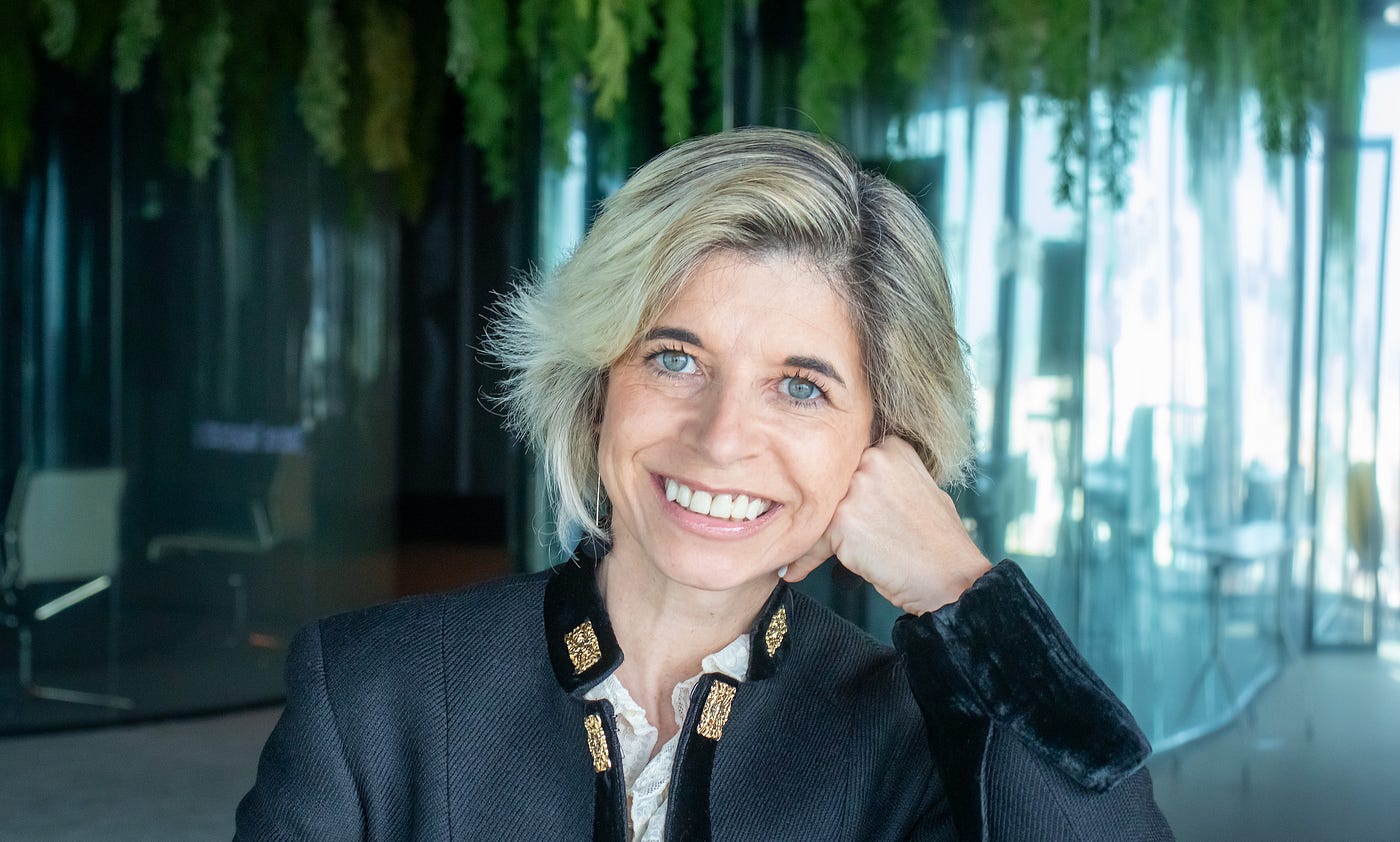
(Dr. Misty D. Freeman is a Southern Belle, an educator, an author, an unconscious bias coach, an AI futurist, and a force to be reckoned with in the fight against unconscious bias, especially when it comes to black girls and women of Generation Z and AI Bias in education. https://www.drmistydfreeman.com )
Thank you so much for joining us in this interview series. Before we dive in, our readers would love to learn a bit more about you. Can you tell us a bit about your childhood backstory and how you grew up?
I'm a Southern Belle, an educator, an author, an unconscious bias coach, an AI futurist, and a force to be reckoned with in the fight against bias, especially when it comes to black girls and women of Generation Z and AI bias in education.
I grew up in South Alabama and accomplished several degrees, allowing me to soak up knowledge and wisdom like a sponge. I have always been interested in technology. With a Doctorate in Instructional Technology and professional certification in 3D Modeling and Simulation, I'm now diving into the realm of AI bias. My goal is to make visionaries aware of unconscious bias and empower those who are impacted by unconscious bias.
Can you share the most interesting story that happened to you since you began your career?
My journey took an unexpected turn the day I became a published author. Seeing my name and book everywhere was something I never imagined. Growing up in a small Alabama town to becoming an author and advocate for dismantling biases was something I didn’t think was possible. The success of my book "Unconscious Algorithms", and my advocacy efforts led to the development of additional educational materials that will have a global impact. It is my hope that these materials will bring awareness and create a more inclusive learning environment.
None of us are able to achieve success without some help along the way. Is there a particular person who you are grateful towards who helped get you to where you are? Can you share a story about that?
My mom is the amazing person who I'm forever grateful for. She's not just a hard worker; she's the reason I've made it this far. Growing up, my mom was the definition of putting in the hours. She worked hard to make sure my brother and I had everything we needed. I remember her being tired but determined. She taught me how to bounce back from tough times. There were many times when things didn't go her way, but she didn't give up, she faced hard times head-on and taught me that setbacks are just chances to learn and grow. Now, as I navigate my own work journey, I carry my mom's lessons. Her sacrifices, teachings, and love shaped me into who I am today, and I can't thank her enough.
Can you please give us your favorite "Life Lesson Quote"? Can you share how that was relevant to you in your life?
You have to believe in yourself when no one else does. ~Serena Williams
This quote is my guiding principle. It teaches me to build resilience in the face of challenges. It encourages me to inspire others through self-confidence, author impactful content, and navigate thought leadership spaces. It helps me to overcome imposter syndrome, advocate for change with conviction, and uphold integrity in everything I do.
You are a successful business leader. Which three-character traits do you think were most instrumental to your success? Can you please share a story or example for each?
Resilience- Early in starting my company, I faced a significant setback when a major client unexpectedly terminated their contract. Instead of succumbing to the pressure, I used this to reassess my strategies, identify weaknesses, and implement changes. Over time, the resilience paid off as I recovered and diversified my client base, making my company more adaptable.
Adaptability- Adapting to the ever-changing business landscape has been crucial. Technological advancements are at the core of what I do, and I must stay abreast of how quickly they disrupt industries. I must embrace innovation and empower others to do the same. Resisting change only puts us further behind. Forward-thinking is critical for me as an entrepreneur. I must stay ahead of industry trends and be open to change; this is the only way my company will survive and thrive in the face of adversity.
Empathy- Building strong relationships with clients and stakeholders is at the core of my leadership philosophy. I cannot simply focus on the bottom line as an unconscious bias coach. I must take the time to understand their concerns and communicate transparently. Ensuring open lines of communication fosters a sense of trust, that is needed when evaluating such a sensitive issue.
Ok super. Let’s now shift to the main part of our discussion about the tech tools that you are helping to create that can make a positive social impact on our educational systems. To begin, what problems are you aiming to solve?
With the rapid growth of AI technology, AI bias in education is a critical issue because it can perpetuate existing inequalities in the educational system. This is a major issue and one that I am relentlessly trying to bring awareness to so we can start to disrupt this bias. The problem arises from biases in historical data used to train AI systems, leading to unfair treatment and discrimination against certain student groups. Biased algorithms can impact opportunities, limit diversity in content and perspectives, and raise ethical and legal concerns. Lack of transparency and accountability further complicate the issue. Addressing AI bias in education is essential to ensure fairness, equity, and inclusivity, promoting positive outcomes for all students.
How do you think your technology can address this?
As an unconscious bias coach focused on addressing AI bias in education, I guide individuals and teams in developing and deploying educational AI systems to recognize and mitigate unconscious biases. Here's an overview of my approach to solving AI bias in education. The goal is to create AI systems in education that are fair and unbiased and contribute positively to the learning experiences of all students, regardless of their backgrounds or characteristics.
Educator Training and Awareness
Provide specialized training sessions and workshops for educators to increase awareness of unconscious bias in AI systems.
Offer guidance on how educators can recognize and address bias using AI tools in the classroom.
Integration of Inclusive Pedagogy
Collaborate with educators to integrate inclusive pedagogy into AI-driven educational tools, ensuring that the content and functionalities consider diverse learning styles and backgrounds.
Customized Learning Paths
Work with EdTech companies to develop AI systems that offer personalized and customized learning paths, considering students' individual needs and preferences.
Feedback Mechanisms for Educators
Implement feedback mechanisms within AI tools specifically for educators to report any biases or challenges observed in the classroom setting.
Encourage continuous communication between EdTech developers and educators to refine and improve AI tools based on real-world feedback.
Ethical Guidelines for EdTech Companies
Collaborate with EdTech companies to establish and adhere to ethical guidelines for developing and deploying AI tools in education.
Ensure that these guidelines align with the educational objectives and values of the institutions and educators using the technology.
Professional Development for EdTech Teams
Provide professional development opportunities for EdTech development teams to enhance their understanding of educational contexts and challenges.
Encourage EdTech companies to hire educators as consultants or team members to bring a firsthand perspective to the development process.
User-Centric Design
Emphasize user-centric design principles, involving educators in the design process to create AI tools that seamlessly integrate into the educational environment and meet the specific needs of teachers and students.
Partnerships for Research and Development
Foster partnerships between educators and EdTech companies for collaborative research and development projects.
Ensure that these partnerships prioritize creating AI tools that enhance learning outcomes and adhere to ethical and unbiased principles.
Accessible and Inclusive Platforms
Advocate for the development of AI-driven platforms that are accessible and inclusive, considering the diverse needs of students with varying abilities, languages, and learning styles.
Community Engagement
Facilitate community engagement initiatives that involve educators, parents, and students in the conversation about AI in education.
Create platforms for open dialogue to address concerns, share insights, and collectively work towards ensuring fair and unbiased AI in educational settings.
Can you tell us the backstory about what inspired you to originally feel passionate about education?
Let me take you on a quick journey through my life. I grew up in poverty in South Alabama and accomplished several degrees, allowing me to soak up knowledge and wisdom like a sponge. I have always been interested in technology. With a Doctorate in Instructional Technology and professional certification in 3D Modeling and Simulation, I am now diving into the realm of AI.
Now, how did I find myself in education? In those early days, education wasn't just a path; it was the only way out. The classrooms became my refuge from the challenges of poverty. I know the power of education and its impact on the future. But, even in the pursuit of knowledge, unconscious bias and racial microaggressions entwined themselves into my story. This is what led to my interest in unconscious bias. Now, with over 20 years of experience in various roles in education, I find myself standing at the intersection of my experiences, technology, and a profound interest in AI bias.
How do you think your technology might change the world?
As an unconscious bias coach, I create an awareness and consideration of AI bias in education, along with efforts to address and disrupt bias. This technology approach can bring about several positive changes in the world, including the following.
Promotion of Fairness and Equity
-Educational systems can strive for greater fairness and equity by addressing AI bias. This can create a more level playing field for students, irrespective of their background, ensuring equal opportunities for learning and academic success.
Reduced Reinforcement of Inequality
-Identifying and mitigating biases in AI can contribute to breaking the cycle of reinforcing existing inequalities. This is especially crucial in education, where biases can have long-term implications on students' trajectories and opportunities.
Diverse and Inclusive Learning Environments
-Efforts to eliminate bias in educational AI systems can create more diverse and inclusive learning environments. Students would have access to a broader range of perspectives, experiences, and resources, enriching their educational experiences.
Improved Educational Outcomes
-Fair and unbiased AI systems can contribute to better educational outcomes. When assessments, recommendations, and other AI-driven processes are free from bias, students are more likely to receive accurate and constructive feedback, leading to improved learning experiences and achievements.
Enhanced Accountability and Transparency
-Addressing AI bias requires increased transparency and accountability in developing and deploying AI systems. This can lead to more informed decisions, increased public trust, and ethical practices in education technology.
Ethical Advancements in AI Development
-The focus on addressing bias can drive ethical advancements in the broader field of AI development. Lessons learned from addressing bias in education can be applied to other domains, promoting responsible AI practices globally.
Legal and Regulatory Frameworks
-Increased awareness of AI bias may lead to establishing more robust legal and regulatory frameworks to govern the use of AI in education. This can ensure that developers, educational institutions, and policymakers prioritize ethical considerations and adhere to guidelines that protect students from discriminatory practices.
Positive Impact on Student Well-Being
-Minimizing bias in AI systems can positively impact students' well-being by creating a more supportive and just educational environment. Fair assessments and recommendations contribute to a sense of fairness and can positively influence students' motivation and confidence.
Global Collaboration
-Addressing AI bias is a global challenge that requires collaboration among researchers, educators, policymakers, and technology developers. The shared goal of creating unbiased educational AI systems can foster international cooperation and the exchange of best practices.
Keeping the “Law of Unintended Consequences” in mind, can you see any potential drawbacks about this technology that people should think more deeply about?
There are always potential drawbacks. Attempts to eliminate bias may lead to unintended consequences. For instance, modifying algorithms to reduce bias in one area may inadvertently introduce bias in another. Striking the right balance is challenging and requires careful consideration of the potential consequences of interventions. Additionally, implementing bias mitigation strategies can be resource intensive. Educational institutions and developers may need help regarding funding, expertise, and time required to assess and modify AI systems to ensure fairness thoroughly.
A more significant challenge is resistance. Resistance to change from stakeholders, including educators, administrators, and developers, could pose a challenge. Some may be hesitant to adopt new practices or modify existing systems, even if it is to reduce bias. Most importantly, while addressing AI bias is essential, it does not solve broader issues of educational inequality. Socioeconomic disparities, unequal access to resources, and systemic issues may persist, and addressing bias alone may not be sufficient to tackle these deeper-rooted problems.
How do you envision the landscape of education evolving over the next decade, and how does your technology fit into that future?
The integration of technology in education will likely continue to grow. Virtual classrooms, online learning platforms, and AI-driven educational tools will become more prevalent, offering students personalized learning experiences and flexibility. There will be a heavy focus on personalized learning, enabled by AI, which could become a central theme in education. AI algorithms may assess individual learning styles, preferences, and strengths to tailor educational content and experiences, catering to the unique needs of each student. If developed responsibly, AI technologies can play a significant role in enabling personalized learning experiences. They can analyze vast amounts of data to understand individual student needs and adapt educational content accordingly.
Efforts to address AI bias in education will likely intensify, with a greater focus on ensuring fairness and inclusivity. Education technology developers will work towards creating AI systems that are sensitive to diverse cultural contexts and learning backgrounds. There will be a need for greater awareness of AI bias and an even greater need on how to disrupt them to ensure equity for all students.
Here is the main question for our discussion. Based on your experience and success, can you please share “Five things you need to know to successfully create technology that can make a positive social impact”? (Please share a story or an example, for each.)
Based on my experiences and work as an educator and unconscious bias coach, there are five areas of awareness needed to create technology that will make a positive social impact in education.
1 . You must understand the unique needs of the students. Living and teaching in South Alabama, I can see that the needs are different, and technology needs to represent those needs. An example would include developing an adaptive learning app for rural students with limited internet access by conducting on-the-ground research and designing an offline-capable app aligned with local curricula.
2 . We must prioritize diversity and inclusivity in EdTech. There is no one-size-fits-all all approach.
An example would include creating educational software accessible to students with diverse abilities, languages, and cultural backgrounds, incorporating features like adaptable interfaces and multilingual support.
3 . AI has yet to embody ethical considerations. We must have responsible AI in education.
A great example would be implementing a bias-free grading system using AI for assessments, with continuous monitoring and adjustments to ensure fair and unbiased student evaluations.
4 . Collaboration and partnership are necessary for student success. Effective technology is not developed in silos.
An example would include developing education technology on financial literacy for underserved communities through collaboration with local educators, parents, and community leaders, ensuring alignment with local educational practices.
5 . Finally, there must be continuous feedback and iteration in EdTech. The proactive approach when developing educational technology should include creating adaptive learning platforms for students that undergo continuous improvement through feedback from students, teachers, and parents, addressing usability issues, and refining content based on user input.
In the realm of EdTech, there's often data collection involved. How do you ensure the ethical handling of user data, especially when it concerns students?
There should always be transparency. Clearly communicate to users, including students and their parents or guardians, how their data will be collected, used, and stored. Provide accessible and easily understandable privacy policies that outline the types of data collected, the purposes for which it will be used, and how long it will be retained.
Additionally, there should be informed consent. Always obtain explicit consent from users or their parents/guardians if they are minors before collecting personal data. Clearly explain the data collection and usage implications, allowing users to make informed decisions about sharing their information. Also, only collect the data that is necessary for the intended purpose. Avoid unnecessary or excessive data collection. Regularly review and update data collection practices to ensure that only essential data is gathered.
Finally, implement robust security measures to safeguard user data from unauthorized access, disclosure, alteration, and destruction. Use encryption protocols to protect data during transmission and storage.
If you could tell other young people one thing about why they should consider making a positive impact on our environment or society, like you, what would you tell them?
Whether they're into tech, education, or whatever, they need to know - they can make a difference! They should push for fairness and use their voice! The most important thing is to step up and own their journey, learn from it, and shake things up- in a good way.
Is there a person in the world, or in the US with whom you would like to have a private breakfast or lunch, and why? He or she might just see this, especially if we tag them. :-)
I would love to have breakfast or lunch with Randall Einhorn, the director and producer of Abbott Elementary. I love the humor on the show and its light on the education world. I would love to discuss bringing that same spotlight to the intersection of educational technology, especially AI. I've got this great idea for a TV series that could open eyes and spark conversations much like Abbott Elementary, but with a twist.
How can our readers further follow your work online?
https://instagram.com/drmistydfreeman
https://www.linkedin.com/in/drmistydfreeman
Tik Tok Handle- @drmistydfreeman
Thank you so much for joining us. This was very inspirational, and we wish you continued success in your important work.