It is constant and steady work toward your dreams that will propel you forward. There will be stumbles and obstacles, and in those moments, I encourage you to look both ways because you might realize the barrier is actually redirecting you somewhere you never considered, but is actually even better than your intended destination.
INTERVIEW QUESTIONS:
As a part of our series about Mental Health Champions helping to promote mental wellness, I had the pleasure to interview Dr. Jaimee Arnoff.
(kindly insert your three-sentence bio, written in the third person here:)
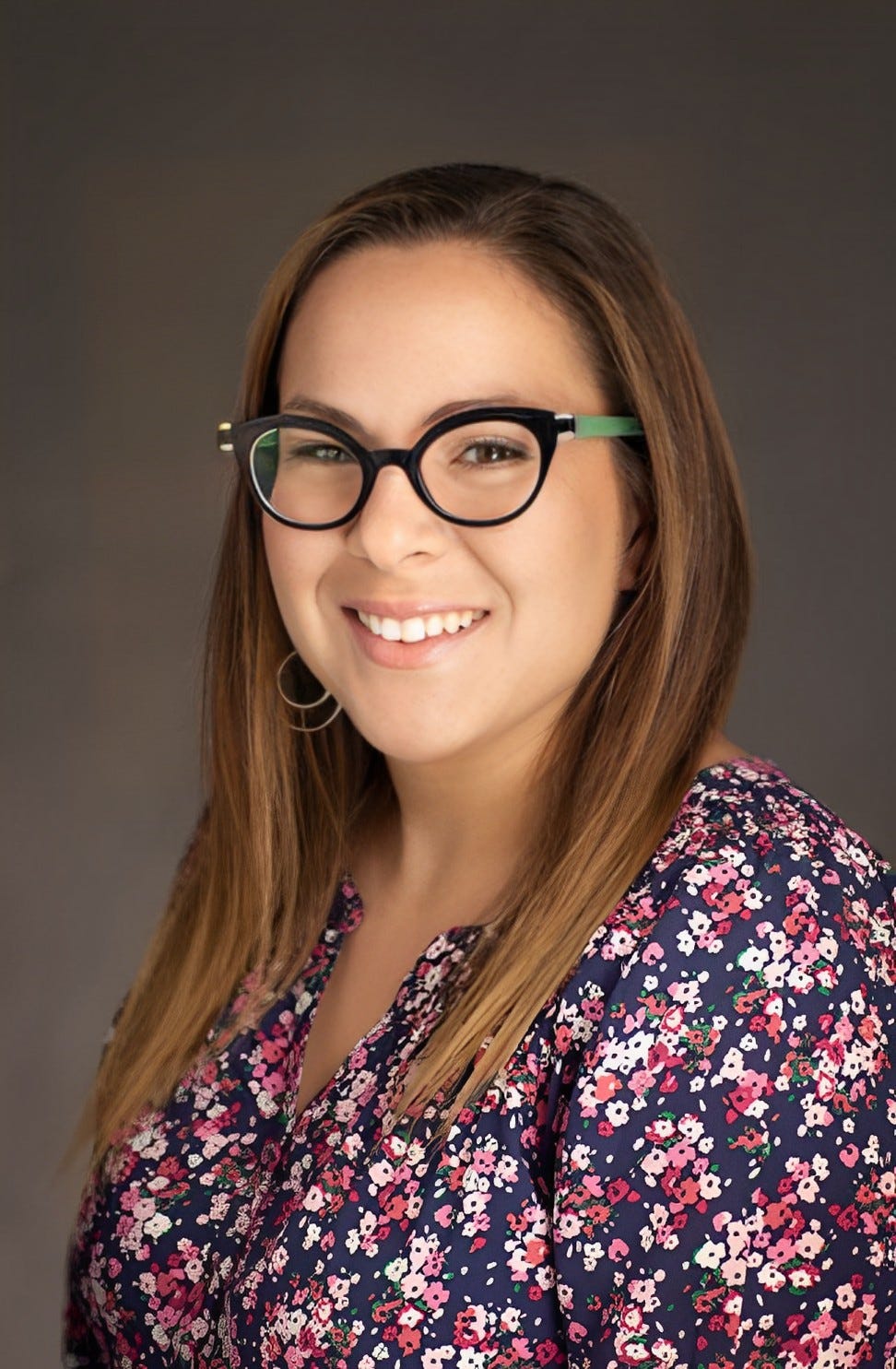
Jaimee Arnoff, Ph.D. is a licensed clinical psychologist and co-owner of BFF Therapy, a private therapy practice located in Beacon, New York. She provides therapy to adolescents and young adults presenting with internalizing disorders, many of whom experience suicidal ideation and urges to self-harm. As a spoonie herself, she is passionate about working with clients, supervisees, and training attendees on the psychological impact and therapeutic interventions effective in managing chronic pain.
Thank you so much for doing this with us! Before we dig in, our readers would like to get to know you a bit. Can you tell us a bit about how you grew up?
I grew up in New York’s Hudson Valley, the eldest of three girls. My family a cultural melting pot, we had Sunday dinner with all of my Italian relatives every week and celebrated Chrismakuh every year. My passion for tap dancing began in elementary school and continues today. I have been in multiple tap companies throughout my life and started teaching tap to children the minute I got my driver’s license at age 16. I have been working with children since. Academics was a priority at home, and I continue to have a love of reading and I am constantly inspired to learn. Both of my parents are medical professionals, so I was thoughtful about where in the field I might find my career from a young age. With connections to the Deaf Community early on, I started learning American Sign Language in 1st grade. I pursued Deaf Studies as one of my two majors (Psychology being the second) at Boston University for college and earned my doctorate from Gallaudet University. I now see Hearing, Hard of Hearing, and Deaf clients in my practice.
You are currently leading an initiative that is helping to promote mental wellness. Can you tell us a bit more specifically about what you are trying to address?
I was lucky enough to team up with the founder of James’s Warr;ors, Mrs. Donna
Thomas, to be the psychologist in charge of developing and delivering presentations on youth mental health to schools and other community organizations that support children throughout the state of New York. James’s Warr;ors is a not for profit organization established to provide a resource to those affected by suicide through public awareness and education. We aim to bring change to the way youth mental health is perceived and reduce the stigma surrounding it by meeting with students, school staff, parents, and any other program or individual that caters to young people. By combining Mrs. Thomas’ first-hand account of losing her son to suicide in October 2018, with tools to identify and better manage suicidal ideation and mental health in general, we hope to facilitate effective conversations between children and the people in their lives about these topics. It is a reminder to these children especially that they matter, and they do not need to walk through this life alone. In addition to working with James’s Warr;ors, I also develop presentations through Hudson Valley Professional Development to prepare and better support other providers in delivering age-appropriate and effective mental health services to young clients, as well as clients who may be experiencing suicidal ideation or engaging in self-injurious behaviors. While I specialize in this population within my private therapy practice, BFF Therapy, I can only see so many clients myself and my hope by providing these trainings is to empower hundreds of clinicians to do this work; therefore, impacting hundreds or maybe thousands more individuals who share in this experience.
Secondarily, I am proud to be a part of the emerging field of Pain Psychology. I am passionate about reducing the stigma around psychological services as treatment for physical pain and providing psychoeducation about the biopsychosocial implications on our everyday functioning. I am certified in Pain Reprocessing Therapy. I was recently featured on Kelsey Darragh’s, Confidently Insecure Podcast, discussing new treatment for chronic pain patients. I am a Board Member of Flowly’s Founding Physicians Board, as well as a member of the American Association for Pain Psychology. I am here to validate for clients in pain that it is not “all in their heads,” while walking them through techniques that utilize the brain to promote healing.
Can you tell us the backstory about what inspired you to originally feel passionate about this cause?
When I was attending graduate school at Gallaudet University, there were not
many, if any, options for students to pursue training in trauma work. During my last year in the program, I left DC and moved closer to home to pursue a year of training in the Child Maltreatment Unit at Newark Beth Israel Medical Center. It was a year focused on the assessment and treatment of children who had experienced physical and sexual abuse, many of them also presenting with thoughts of wanting to hurt themselves. During my APA-accredited internship at a high-volume, outpatient clinic for children ages 3-21, I found myself seeing clients who expressed suicidal ideation or were engaging in self-harm every single day. It provided first-hand insight into the stigma about discussing such topics from the child and caregivers’ perspective, motivating me to normalize the conversation and equip those involved, including other mental health providers to feel more comfortable talking about what I refer to as “the tough stuff.”
Regarding my involvement with the pain community, I myself carry diagnoses of Trigeminal Neuralgia and Fibromyalgia, along with multiple other inflammatory concerns that cause nerve pain literally from head to toe. I went through it all. I got the X-rays, the MRIs, the back braces, the spinal injections, the scripts for physical therapy, chiropractor, all of it. I did not just stay in the Western Medicine lane either. I found myself a functional medicine practitioner, worked with a nutritionist, changed my diet, added supplements, have a massage therapist, had reiki, tarot readings, and acupuncture. As I was reading every book and listening to every podcast on chronic pain, I found Pain Psychology and felt that my experiences as a person in pain, coupled with my expertise at the time, and passion for learning allowed me to relate to clients in pain on a level that facilitated the lowering of the walls that have slowly been built up against psychology serving as an effective treatment for physical pain.
Many of us have ideas, dreams, and passions, but never manifest them. They don't get up and just do it. But you did. Was there an “Aha Moment” that made you decide that you were actually going to step up and do it? What was that final trigger?
Honestly, no. Sure, I have always been interested in helping others and have been afforded opportunities to study and train under amazing supervisors throughout my career; but, I cannot recall a specific moment that prompted by momentum. I would not want someone who has an idea or passion feel like they needed to wait around for a moment either. It is constant and steady work toward your dreams that will propel you forward. There will be stumbles and obstacles, and in those moments, I encourage you to look both ways because you might realize the barrier is actually redirecting you somewhere you never considered, but is actually even better than your intended destination.
Can you share the most interesting story that happened to you since you began leading your company or organization?
I think for me, the point of my work is to help each individual I encounter feel and
see themselves as the most interesting; someone of who is worthy of support and valued by those around them in a way they might not realize or have difficulty accepting.
With James’s Warr;ors specifically, we always provide an evaluation for the students to complete at the end of the presentations to make sure we are addressing their needs. During one of our first presentations in a high-school classroom, many of the students mentioned that their favorite part was a slide encouraging them to pat themselves on the back. The intention was to highlight for them that each small task they complete during the day detracts from their daily dose of energy and they deserve credit for doing their very best in spite of every challenge they are facing. It is a reminder to them, their teachers, coaches, caregivers, and to us as providers that the tiniest acknowledgements have the biggest impact. I hope it empowers anyone reading to lead with kindness and remember that you do not have to have a Ph.D. in Clinical Psychology to make a difference.
None of us can be successful without some help along the way. Did you have mentors or cheerleaders who helped you to succeed? Can you tell us a story about their influence?
Two people I have to credit for keeping me motivated and confident in my ideas are my husband and my best friend, who also happens to be the co-founder of BFF Therapy. In the face of imposter syndrome, these two have been a place to be my most vulnerable, a space to explore my fears and self-doubt, and a reminder to lean into what makes me good at what I do!
Of course, I also have to thank Donna Thomas for including me in her amazing organization. Her strength in the face of loss to support others is inspiring and I am lucky to work alongside her.
According to Mental Health America's report, over 44 million Americans have a mental health condition. Yet there's still a stigma about mental illness. Can you share a few reasons you think this is so?
Peers, the workplace, and insurance companies still do not provide the same
understanding, necessary accommodations, and financial support for mental illness as they do for physical diagnoses. It communicates that mental health is lesser than physical health needs and those experiencing mental illness are made to feel fearful and ashamed that they are experiencing difficulties in this way. The media not only depicts people living with mental illness in inaccurate ways but may also misrepresent the treatment of those individuals by their friends, family, and professionals once they express the need for support. These systemic and internal factors serve as a cycle that promotes the continued stigma of mental health and its treatment.
In your experience, what should a) individuals b) society, and c) the government do to better support people suffering from mental illness?
a) Bring conversations about mental health to the table. By being open about your own experiences, you are giving permission to others to share theirs as well. Ask people how they are doing. Reach out to people who seem to be struggling, reach out to people who don’t. Talking about mental illness normalizes it and slowly chips away at the stigma that is perpetuated.
b) Mental health days should qualify as Sick Days at work. Conversations about feelings should not be taboo or seen as embarrassing or evidence of failure.
c) There needs to be better insurance coverage for mental health needs without the current rigidity of diagnosis, interventions, frequency, and duration of sessions.
What are your 5 strategies you use to promote your own well-being and mental wellness? Can you please give a story or example for each?
Let it out. Holding in your thoughts and feelings never works. If you have a person to talk to and feel comfortable with that, use that person for support. Have a journal? Write about what is going on. It does not have to be perfectly curated paragraphs, single word free-writes work just as well. Put it on paper, on your cell-phone, save it, share it, or don’t, throw it out without reading it or letting anyone else see it. Not a writer? Use your voice memo app, shout into the void on your drive home. Words not your thing? Draw. The options are endless, but better out than in.
Cry. So many of my clients come in with a physical and emotional block to showing open vulnerability in the form of tears. They will hold their fingers or a tissue at the edge of their eyes at the first well up preventing even a single tear from flowing in therapy; theoretically, the safest space with the sole purpose of holding all the feels. A part of my job and something I take seriously in my own life is highlighting the benefits of crying. Medically, it has been shown to release endorphins and release the stress contributing to emotional and physical pain! As a rule of thumb, I have multiple boxes of tissues strategically located around my office, so they are accessible within an arm’s reach no matter where you are sitting. It is done to normalize the act of crying and serve as a reminder that my office is a place to explore your most vulnerable insecurities without judgment. On a personal level, I have a collection of visual and auditory media that I know puts me in an emotional place and gives those tears the kickstart that they need.
Give yourself credit. We all wake up with a certain amount of gas in the tank to get through a single day. Those in chronic pain sometimes think of their energy and availability in terms of spoons. Getting out of bed is a big deal. Showering, brushing your teeth, being prepared for a quiz or a work presentation, socializing with your peers, driving from place to place with your family: they all require a significant amount of energy and not everyone starts with the same amount of gas in the tank. Physical and mental health impacts what you are working with; poor sleep, poor diet, and stress all impact your resources for any given day. Just know that you are doing the best with what you’ve got, and I see the work and am proud of your effort. You should be too.
Find your person or people. There may feel like a pressure to have a large group of long-time best friends in your inner circle, but you will be set if you have a few or even one individual, quality friend who is there to be a sound-board, allow for a vent session, and provide comfort and solutions depending on your needs. Humans are social beings, and you are not a burden for leaning on your people in times of need.
Listen to what you need. If that is taking time out of your day to schedule an activity or schedule a nap, you are deserving of it all. To figure out what you need, take note of how you feel as you prepare to engage in every action, where your mind lingers while you are actively engaged in the action, and are there things you are looking forward to or wish you had time to invest in in the aftermath.
What are your favorite books, podcasts, or resources that inspire you to be a mental health champion?
Filmaker/Writer/Creator, Kelsey Darragh has made a career on bringing conversations about mental health and chronic pain to the table in a way that provides normalization, validation, and promotes community. I was recently a guest on her podcast, Confidently Insecure, and it was truly a dream come true.
I have a major brain crush on Pain Psychologist, Dr. Rachel Zoffness. She is unmatched on any podcast when making the science behind chronic pain digestible and I use her intervention workbooks in my practice on a daily basis.
Comedian, Taylor Tomlinson uses her history of trauma and mental health as material in a way that minimizes guilt for using humor in the face of struggle. She is hilarious in the most relatable way, and she is my go-to soundbite when I myself am feeling anxious or experiencing significant physical pain. I have literally flown for hours to see her live shows on multiple occasions. You know how some people watch the same television show over and over again? I have probably listened to her specials hundreds of times to de-stress, and it works every time.
If you could tell other people one thing about why they should consider making a positive impact on our environment or society, like you, what would you tell them?
The actions of adolescents are often seen as attention-seeking, when really if we take a moment to just listen to them, we can help them realize their purpose in the world. When these teens become emerging adults who believe they matter and recognize the importance of instilling a sense of belonging, they will only perpetuate the emphasis on such development in the youth they encounter, which allows for a continuous, positive impact on society.
How can our readers follow you online?
Check out my Blog Series on chronic pain on our website, where you can also learn more about our style, our background, and our services. Follow me on Instagram @BFFTherapy for updates on what I am doing, as well as tools to use to help you manage your physical and emotional pain. If you want attend one of my trainings on Youth Mental Health, The Assessment and Treatment of Suicidal Ideation and Self-Injurious Behaviors or Providing Competent and Ethical Services to Culturally Deaf and Hard of Hearing Individuals, please subscribe to Hudson Valley Professional Development.
This was very meaningful, thank you so much. We wish you only continued success on your great work!