I never really veered from the path of being a physician, because there was never anything else that I wanted to do with my life.
Wellness
Dr. Frank Contacessa: Why The Best Patient Relationships Begin By Dropping All Preconceived Judgments
An experienced internist with Northwell Health Physician Partners reveals how an embarrassing early mistake taught him the foundational value of empathy and open-mindedness in medicine.
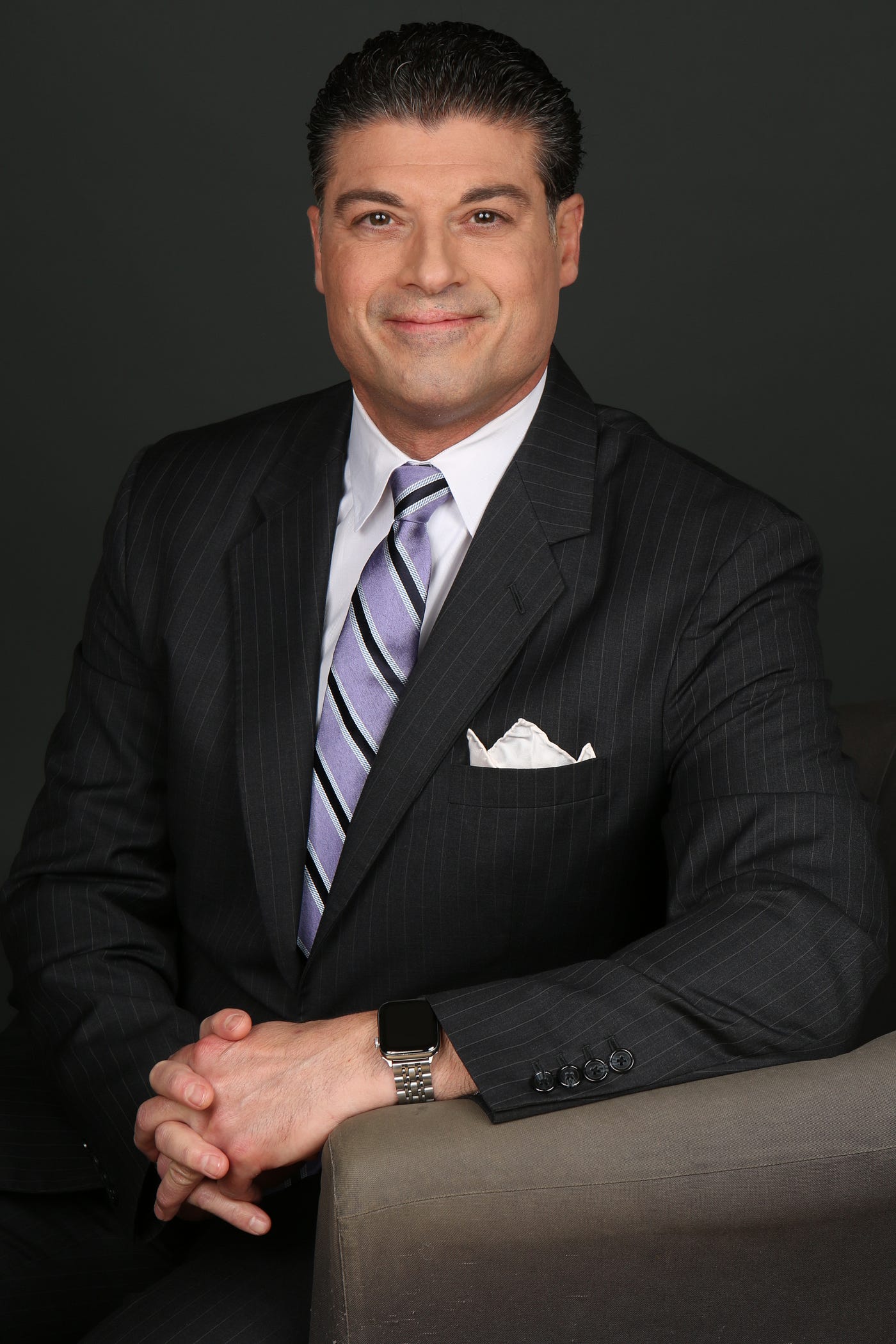
As part of my series about healthcare leaders, I had the pleasure of interviewing Dr. Frank Contacessa.
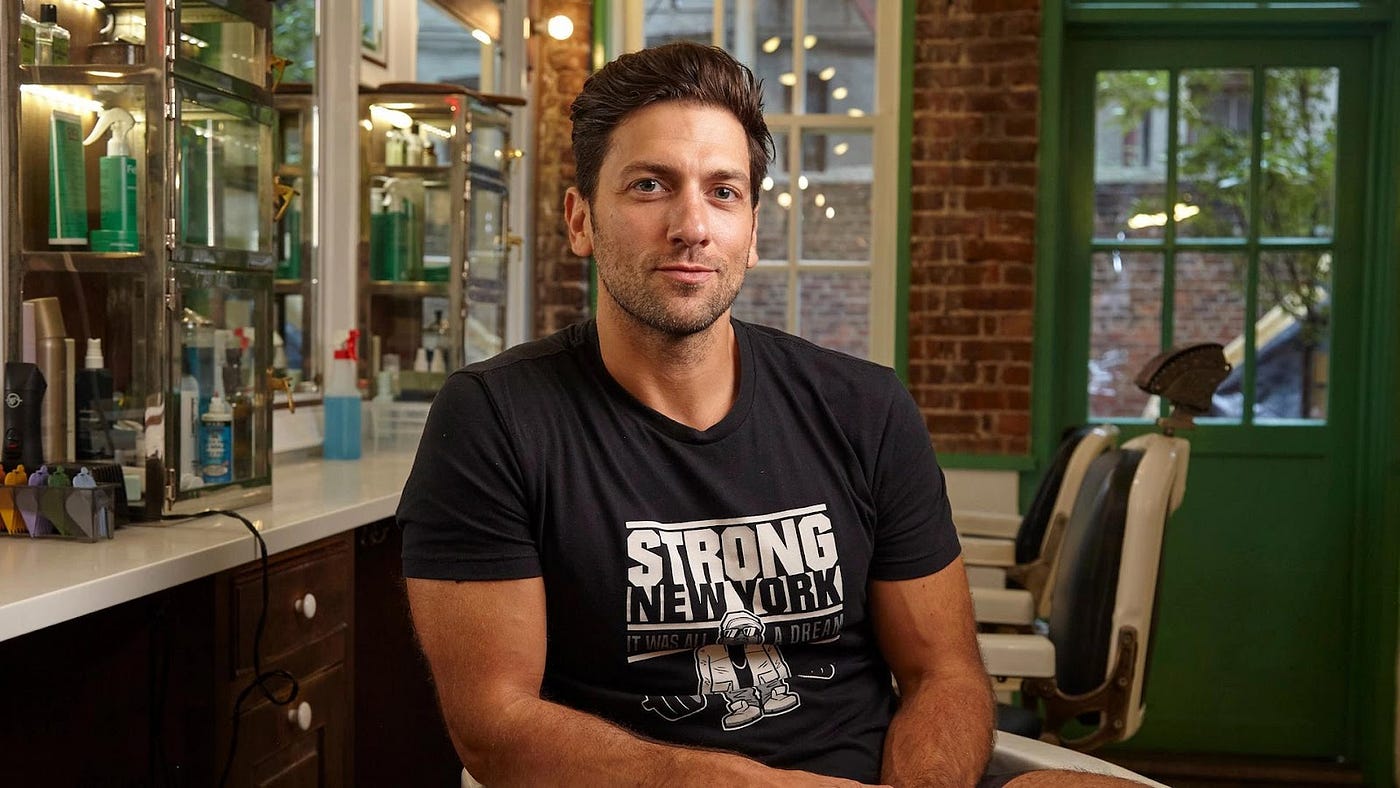
Dr. Frank Contacessa, affectionately called “Dr. Frank,” is an internist with Northwell Health Physician Partners in Armonk, New York, with nearly 17 years of experience in private practice. He is board certified by the American Board of Internal Medicine with professional memberships at the New York State Medical Society and Westchester County Medical Society. Dr. Frank is fluent in Spanish and prioritizes the doctor-patient relationship above all else, as it is the foundation that supports everything else he does as a physician.
Thank you so much for joining us in this interview series! What is your “backstory”?
I am a doctor of internal medicine, which is essentially primary care. I have been practicing for almost 17 years. I decided that I wanted to be a doctor when I was in the first grade. I needed glasses, and wanted to understand why! I had a very nice ophthalmologist who took the time to explain it to me, and she quickly realized that I understood what she was saying. I was interested in the way that the body worked, and that was the spark that lit the fire. I never really veered from the path of being a physician, because there was never anything else that I wanted to do with my life.
Can you share the interesting story that happened to you since you started your career?
About 12 years ago, my wife, our then infant daughter, and I stopped at a rest stop on the New Jersey Turnpike to get something to eat. I went outside to pull the car around, while my wife got something from the convenience store. She came running out, breathlessly telling me about an elderly man who she witnessed collapse inside the rest stop. She said, “You have to go in and help!” I found an elderly Asian gentleman on the ground near his wife. Neither spoke English, which made my initial assessment of the situation very difficult. After helping him, and directing the ambulance crew that showed up, I was followed out by a man who was peppering me with questions about me and my practice. I didn’t know him, and I was suspicious about his motives. It turned out to be someone who worked in reality TV, and he wanted to develop a show about me! That never came to be, but it led to a friendship with this person, who is now a fairly famous TV personality. It also led to multiple appearances on a TV show called Impractical Jokers, a very popular comedy show. This taste of television has sparked an interest in media, which I continue to explore.
Can you share a story about the funniest mistake you made when you were first starting? Can you tell us what lesson you learned from that?
Quite a few years ago, I saw an older woman and a younger man in my office together. As I spoke to them, taking their histories and discussing their cases, I kept making references about “your mother” or “your son”, assuming that was their relationship. Imagine my embarrassment, when towards the end of the visit, they informed me that they were not mother and son, but husband and wife! I turned every shade of red, and vowed never to judge a book by its cover again. Everyone must be taken at face value and not be subjected to any sort of prejudgment. It was a valuable lesson that I”ll never forget.
Are you working on any new or exciting projects now?
Yes! After the good fortune of being a recurring character on a popular TV show, I realized that I wanted to pursue more of a media presence. I found that not only did I enjoy being on TV, but more importantly, it could be a way to get my message to a great many more people. I spend a lot of time every day talking to patients about living a healthy lifestyle, and medical advice in general. I love doing it, but in the office I can only talk to one person at a time. TV is a medium with the potential to reach many thousands of people at a time! I would love to get my message to a larger audience. I have been doing some TV news appearances, discussing medical news of the day. I hope to continue and expand these types of appearances, and reach the largest audience possible.
None of us are able to achieve success without some help along the way. Is there a particular person who you are grateful towards who helped get you to where you are? Can you share a story about that?
Yes, of course. I have had the steadfast support of my parents and family from the beginning, and my wife and kids later in life. However, I have had the good fortune to have a professional mentor since I was in high school. When I was 15 years old, I moved from my pediatrician to an adult internist, his name is Dr. Donald Cohen. Although I had known that I wanted to be a doctor from a very young age, it was only after meeting him that I realized that I wanted to be a doctor just like him. His approach to medicine and his patients made a powerful impression on me. We kept in touch as I went through my schooling and training. When it came time to decide what I wanted to do, and where I wanted to do it, I made it my goal to be his partner. I accomplished this goal in 2005, and we’ve been practicing together for almost 17 years. I still seek out his counsel and advice to this day. Now as colleagues, he will at times seek out mine! We now have a younger partner, who reminds me of myself when I first started. I hope that I can be the kind of example to him that Dr. Cohen has been to me.
Is there a particular book that made an impact on you? Can you share a story?
Like almost all doctors in training, I was told that I HAD to read The House of God by Dr. Samuel Shem. It is a very gritty, cynical look at medical internship and residency in the 1970s. It is at times amusing, and at times a horrifying glimpse at what my predecessors dealt with in the course of their medical training. It made me appreciate how much better things had gotten for my generation of doctors, as well as the patients that we care for. I often think back to my training at a hospital in the Bronx, NY. Yes, it was gritty at times, but I know that it was not as bad as things were just a few short years before. I think that one of the lessons of the book is to treat all patients with the dignity and respect that they deserve. In the book, some of the characters come up short in that department. I try to start every patient encounter with an open mind and the patience that every person deserves.
How have you used your success to bring goodness to the world?
I consider it a privilege to be able to earn a living doing something that I truly love. I leave work every day with the feeling that I did something valuable that day. It doesn’t have to be the dramatic “I saved a life” type of thing. Often, it’s being the one person that a patient will trust to share something embarrassing, or something that is causing them pain. Being that trusted person, and having the skills that may be able to help them, is something that I get a lot of satisfaction from.
Can you please give us your favorite “Life Lesson Quote”? Can you share a story about how that was relevant to you in your own life?
“Keep your eye on the prize” has always resonated with me. Most people who pursue a difficult endeavor, inevitably stumble and fall along the way. I think that successful people pick themselves up and dust themselves off and get right back on the horse. It is easy to get discouraged when things don’t go your way, but it is the determination to persevere that makes the difference. My pathway was not always smooth, and I had many occasions when I stumbled, fell and had to dust myself off and move forward.
Can you share your top three “lifestyle tweaks” that will help people feel great?
Absolutely, I have this conversation multiple times a day! Living a healthy lifestyle is not complicated. It’s not always easy, but it’s fairly simple.
- Eat less, move more! When people are trying to lose weight, don’t rely on gimmicks and fad diets. Here’s a little secret, they don’t work! Portion control is the single most effective way to lose weight. Which leads to another motto of mine, “eat anything, and less of everything”. Once you get rid of junk from your diet, almost everything else is ok in moderation.
- Any lifestyle change that you make has to be sustainable. Don’t make any change that you know you won’t be able to live with over the long term. You have to build a healthy lifestyle over time. Pick your one worst habit, the “low hanging fruit”, and work on that first. After that, pick your next worst habit and try to improve on that, and so on.
- Try to manage anxiety. Anxiety can be enormously damaging. It not only affects our mental health, but can actually affect our physical well-being as well. There’s a difference between stress and anxiety. Stress is what the world throws at us, anxiety is how our bodies experience it. We all have stress, but our anxiety level is not alway proportional. By focusing on improving the things that we have control of, and letting go of everything else, we can manage our anxiety a bit better.
What are your “5 Things I Wish Someone Told Me Before I Started” and why.
- How important my high school typing class would be! In the age of EMR (electronic medical records), the ability to type quickly without looking at the keyboard has become vital. It allows me to talk to my patients and update their charts at the same time while continuing to look them in the eye.
- How emotionally involved the job can get. It is difficult to compartmentalize your emotional response to a patient’s condition and outcome. Becoming emotionally involved can make the job harder, but it can also make us better doctors by connecting to the humanity of our patients. I think that there needs to be a balance between the science of practicing medicine and the compassion required to be a truly good doctor.
- How impactful my words can be. Patients truly listen to what I say. The choice of words, and even the tone of voice are incredibly meaningful. Patients often say to me, “I remember what you told me five years ago, it really stuck in my head.” You can either scare or reassure someone with the same words, depending on how you say them.
- How much the practice of medicine would change over the course of my career: from paper charts and pens to EMR, from private practice to big corporations, from long-term relationships with families to the advent of urgent care and seeing a different doctor every time. I try very hard to maintain the traditional doctor-patient relationship; it is the bedrock that the practice of medicine is built upon.
- How rewarding this job would be. I consider it a privilege to be able to earn a living doing this important work. I leave the office every day with a sense that I did something meaningful that day. I realize that I touch a great number of lives in the course of my job, and I take that responsibility very seriously. I do get out of it even more than I put into it.
If you could start a movement that would bring the most amount of wellness to the most amount of people, what would that be?
I think that this country has an ongoing problem with obesity. This has become even more evident during the COVID-19 pandemic. The single worst risk factor for a poor outcome with COVID has been obesity. I would like to see the country make use of Operation Warp Speed-type resources to address the pandemic of obesity in this country. We need to completely re-educate people about nutrition. Most people have no idea what a healthy diet looks like. Nutrition is the foundation that the rest of our health is built on. Poor diet, and the obesity that stems from it, lead to more morbidity and mortality than anything else. We see increased diabetes and heart disease, as well as increased risk of certain cancers related to obesity. Let’s put America on a diet!
We are very blessed that some of the biggest names in Business, VC funding, Sports, and Entertainment read this column. Is there a person in the world, or in the US whom you would love to have a private breakfast or lunch with, and why? He or she might just see this if we tag them :-)
Given my passion for getting people to live a healthier lifestyle, I can think of no better person to meet with than Tom Brady. He has obviously been blessed with natural athletic ability, but he’s been able to use his rigorous diet and exercise regimen to extend his career well into his 40’s. He’s not only still competing, but he is still dominating! I would love to be able to collaborate with him to advance a movement to get America to improve their overall state of health. He is the pinnacle of what you can accomplish with hard work and discipline. Obviously he is an aspirational role model, but if you could get people to emulate Tom Brady even to a small degree, we would be way ahead of the game!
What is the best way our readers can follow you online?
Please follow me on twitter, @DrFrank273, and instagram, @drfrankcontacessa
Thank you so much for these wonderful insights!
LK
Written by
Luke Kervin, Co-Founder of Tebra
Columnist & ContributorAuthority Magazine Columnist & Contributor

Published inAuthority MagazineTop Lessons, Top Authorities · 42K Followers
Exclusive, curated interviews with the leaders and changemakers shaping tomorrow. Leadership lessons, industry deep dives, and executive profiles.