This experience teaches us that none of our circumstances are by chance, and we need to keep the faith that God will bring things together at the right time.
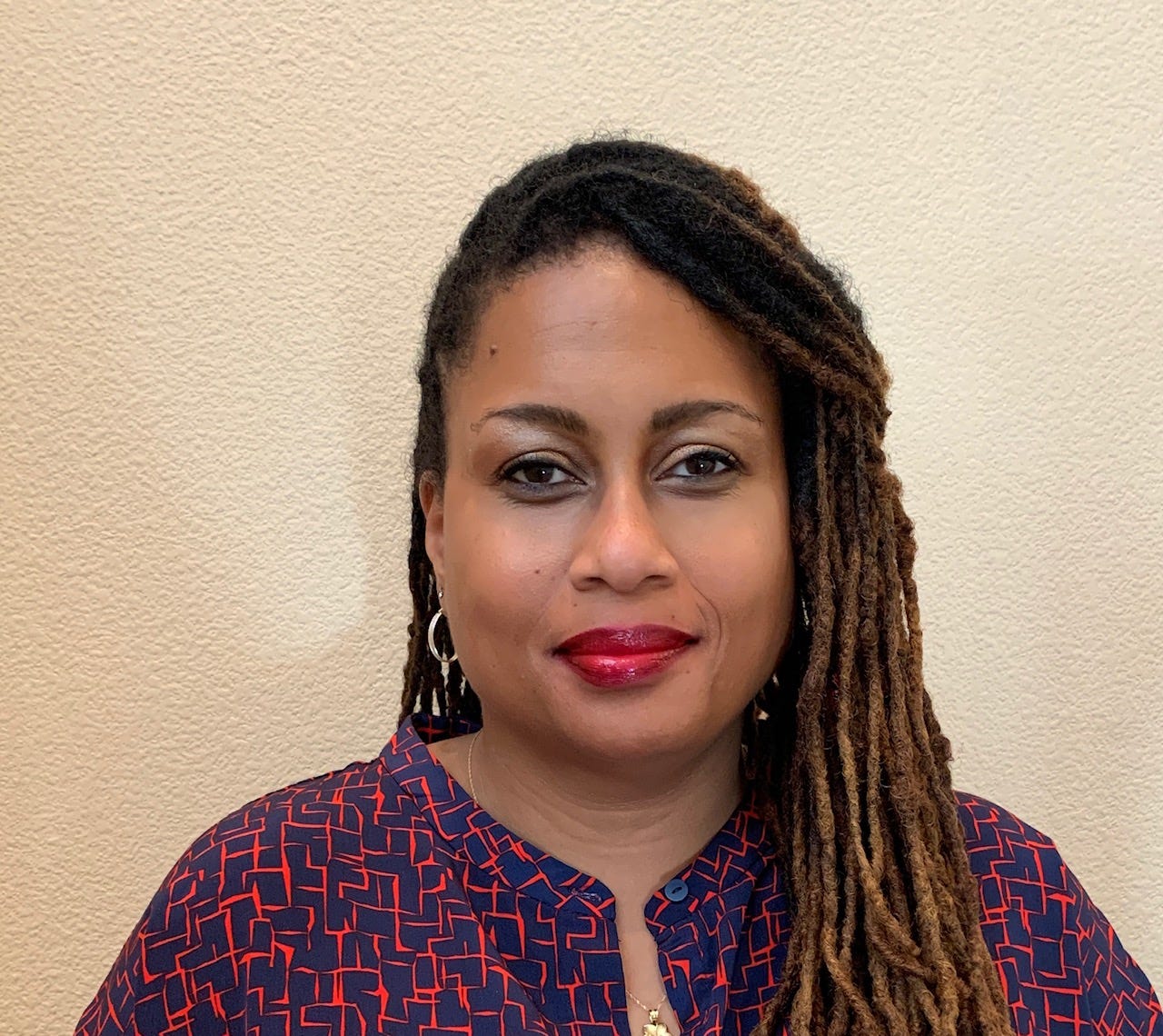
As a part of our series about stars who are making an important social impact, I had the pleasure of interviewing Dr. Candice Williams.
Dr. Candice Williams, MD, DBA is a Board Certified Anesthesiologist, Pain Medicine Specialist, Assistant Professor of Anesthesiology at Charles R. Drew University, professional pianist and music producer who went from intimidated doctor-musician, to confident musician and producer, pursuing her true passion of spreading joy through using music as a healing force. She is the founder of Prelude, PC and serves as America’s best physician-musician coach by helping patients and individuals to create self-care habits, improve mental health, and improve their sleep with music as a healing modality, providing hope and inspiration to lead more rich and creative lives. Dr. Williams enjoys performing and producing music in various genres including music for healing and relaxation and R&B. She gives back to her community by mentoring students in all phases of their medical education.
Thank you so much for joining us on this interview series. Can you share with us the backstory that led you to this career path?
Iwas 7-years-old when I was first mesmerized by how my uncle played the Hammond Organ at Sunday Morning Service. I remember the clicks, sounds and warmth and how strong it sounded as he played during the service. I watched from the audience, transfixed. I wanted to do that one day. I wanted to sound like that when I played. I only saw his daughter play sometimes, but no other women. The women were the singers, not the musicians. I noticed this early on, but in my seven-year-old heart, I decided I wanted to be a musician one day. I felt the call of God on my heart to make music at that tender age. I asked my mom for piano lessons and wanted to make music just like my Uncle. I was inspired by the expert way he played this instrument and how it moved both himself and the entire church. It was almost as if the music itself was a carrier of Joy and Uplifting. This was the first time I remember feeling inspired to not only play music but to use it to help people. Music is a healing force, and I am determined to heal others not with procedures but with music and its sounds, rhythms, moments, and movements.
Can you share the funniest or most interesting story that occurred to you in the course of your career? What was the lesson or takeaway you took out of that story?
From the very first day of medical school, I really wanted to go to music school, specifically, Berklee School of Music. In spite of this, I decided to commit to excelling in school. I even made an impression on my professors by asking them sophisticated and intelligent questions after lectures. I spoke quite often with my Cardiology professor over the course of my first and second year. In my first year in the Spring, I went to the National Association of Music Merchants (NAMM) show in Anaheim, California, which is a trade show for the music industry. I was walking the halls with my boyfriend (now husband) who is a drummer, and to my surprise, I walked right up to my Cardiology professor. Turns out he was a lifelong drummer and we formed a connection when he found out about my passions in piano and music making. I learned that things that seem opposite of each other could be connected as we learn later in life but just don’t know the reason at the present time. This experience teaches us that none of our circumstances are by chance, and we need to keep the faith that God will bring things together at the right time.
What would you advise a young person who wants to emulate your success?
It was the big day of my piano recital when I was 12 years old. I practiced this piece over and over, and I still was so nervous. It seemed like no matter how much I practiced; I didn’t feel I was ready to have a flawless performance. As much as I tried to shake these feelings, I couldn’t. I sat down on the bench when my name was called, looked at my paper, took a deep breath and started playing. I memorized most of this song and as I was playing, I lost my place. My breath became shallow and I wanted to cry. I felt like I was losing it and I paused but kept playing to the end of the piece. I heard a man yell, “That’s my baby!”. It was my dad. Slightly embarrassed but proud, I stood up in front of the crowd and took a bow. I learned that no matter how afraid I felt in that moment, the key was to keep going. In life we have setbacks and times we are not at our best. It is vitally important to keep moving and to keep trying because our efforts will pay off. Eventually, we make it through successfully if we stay at it.
Is there a person that made a profound impact on your life? Can you share a story?
I had the privilege to be taught piano from the ages of 7-to 13 by Mrs. Mary Sangster in Inglewood, California. She was so full of grace and patience as I pretended to read notes and memorize all the songs instead of learning sight-reading. She quietly demonstrated grace, championed education and demanded excellence in piano technique. She was a long-time teaching colleague of my mother, Verteane Bereal. 2 months ago, shortly after my family and I relocated to the East Coast from Los Angeles, we were able to meet to celebrate her 92nd birthday. It was the first time I saw her since the age of 13. When my mother came to visit us, they were able to reunite and talk about the times they worked together, educating children in the inner city, and the wonderful times they had together. The most inspirational part of Mrs. Sangter’s story is that despite losing her sight, Mrs. Sangster plays piano every day. She is my hero as she embodies an educated, professional Black woman who educated generations of children and poured into so many lives. She gave back to the community while using her passion and creativity in music while inspiring generations of children to do the same. By using her gifts and talents and offering them to the world, she has helped it to be a better place. This taught me we could change the world with our God-given talents.
How are you using your success to bring goodness to the world? Can you share with us the meaningful or exciting causes you’re working on right now?
Music is an absolute inspiration to me as the sound transports my mind and heart to a place where I am encouraged and released to dream. In coping with my personal journey with Chronic Pain, I utilize music for meditation, relaxation, and visualizing healing. After Releasing songs for healing and relaxation, I want to share the synergy of music and medicine in a way that fully incorporates the two. I’m currently developing programs to help those with mental health, sleep, and pain issues to incorporate music into their care routines. Music helps with mental focus and clarity and can help relieve stress and pain. People need a connection to others in a live forum to express themselves and safe spaces so they can become more compassionate people by healing themselves. I’m working to create these moments in live music sessions that incorporate poetry and visual arts to encourage expression and release in a supportive setting. I’m excited to finally share both parts of my expertise with the world in a way that empowers people to heal themselves.
Can you share with us a story behind why you chose to take up this particular cause?
I was sitting in my bed one night, and I started to have severe neck pain that was familiar. It was ironic to me that a Pain doctor who performs procedures to help others with this problem was suffering from the same pain some of my patients had. I found myself unable to sleep, and I tried all of the familiar things: turmeric, a massager, salves and a heating pad. As I sat there, unable to sleep, I reflected on my day and tuned in to what was bothering me. Sensing my stress and the need to release the tension in my neck and body, I listened to one of my instrumental songs, closed my eyes, and took the time to breathe. I focused on my breaths and envisioned myself slowly releasing my pain. I felt the tension in my neck let up enough for me to allow my body to rest. At that moment, I understood the importance of the connection between my body, soul, spirit, and mind. I needed to check in with all of them to find the source of my tension and to use all of them in my efforts to heal. I used music to help me concentrate on my mind, body, and spirit connection in my efforts to heal myself. I encourage others to use music in this way to get these benefits for themselves as a daily practice.
Can you share with us a story about a person who was impacted by your cause?A friend of mine in their mid 40’s and otherwise healthy was having a difficult time with anxiety and had trouble sleeping.
I sent her one of my songs prior to releasing it, and they said that my music helped them feel better and helped them sleep. One of my physician colleagues said that my music creates a positive atmosphere for them as they go about their work day. This is my goal that people experience whatever they need: love, joy, peace of mind, healing, and a reset while listening to music I create and to use the music as a tool for healing as they would exercise, acupuncture, or a heating pad. For example, having employees take a wellness music break by listening to my music could reduce stress, provide a reset and improve productivity during their work day by increasing focus. Without using music as a therapy, the workplace remains stressful and full of pressure, contributing to poor mental and physical health. According to a study in the Federal Practice Journal and in my Interventional Pain Practice, I’ve observed as patients are undergoing pain procedures, having relaxation music can reduce their anxiety and pain. If music is left out in this setting, the patient could have an unpleasant, painful experience or, worse yet, need more sedative medications during the procedure. In these ways, individuals, medical institutions, and corporations can incorporate music in their wellness efforts due to its inherent capability to have a positive impact on the mind.
Are there three things or are there things that individuals, society, or the government can do to support you in this effort?
Both individuals and society can help by spreading the word about music as an alternative to a self-care routine. One can start today by taking 10 minutes out of their schedule to stop, listen to music, and breathe, and by doing so, they will spread a movement of caring for themselves and using music to its fullest capacity. Listening to the correct music is important as some music can be beneficial, and other types of music can have negative effects. The more people who take this simple step, we can start a movement of people self-healing with music and increase awareness of its benefits. The government can help my cause by providing more funding/grants to creative business owners. It can be arduous to find funding for such initiatives, as music in our society is grossly devalued. Personally and professionally, I have learned music truly as a healing balm, a medicine. In order to develop programs incorporating the music I make as a healing force for wellness initiatives, place healing music in hospitals and clinical settings to be used therapeutically, and offer coaching and support surrounding these initiatives, funding is needed.
What are your “5 things I wish someone told me when I first started”:
- Build confidence: Lack of confidence keeps us from shining. Believing in oneself is vital to truly express ourselves and offering our gifts in full force. Listening to the right song elevates mood and boosts confidence.
- Take Time Out: Mental health problems affect 1 in 4 people. 10 minutes of music listening improves focus and coping with stress. Developing a daily habit of music as self-care is one of the best habits one can develop.
- Find Positive Tunes: I’ve been both physician and patient, and the medical environment can be stressful for all involved. Music facilitates relaxation, could lower blood pressure, and makes the long wait to see your doctor more pleasant. It also lifts the moods of those working to create a more positive work environment.
- Create Moments of Joy: Pain medication alternatives are vital as opioid pain medications, in particular, have undesired side effects and the potential to be habit-forming. Relaxation music provides distraction and helps relieve stress and pain in a way that doesn’t involve medications or shots.
- Develop Tools for Transformation: Expressing yourself effectively is important as a tool for growing personally and in your business. Learning to express yourself through music at any stage helps you find your voice and what makes you unique. This has the power to transform how you view yourself and how you impact others.
You’re a person of enormous influence. If you could start a movement that would bring the most amount of good to the most amount of people, what would that be? You never know what your idea can trigger.
I envision an institute of Music and Medicine that studies music’s impact on health and provides therapeutic music treatment programs for chronic pain combined with integrative medicine services. In conjunction, I would have a sister initiative, the Prelude Scholars Program, with pipeline programs for both future musicians and physicians. This program would provide no cost to low-cost education on a sliding scale to students from elementary through high school level. It would focus on basic music skills and Jazz music education as this is an art form we need to preserve. The institute would also have scholarship funds from government sources, private institutes, and philanthropists to support musicians as they progress to professional careers. For future physicians, I would incorporate a mentorship pipeline program to recruit students into physician careers starting in elementary school, supporting them throughout their education, including residency and early career transition. More research is needed in the arena of music and its therapeutic and healing properties, particularly on the brain, effects on the body, and ability to alleviate chronic pain. Without this institute, the healing power of music will not be fully realized, and this art form will not be used to its best and highest potential. In addition, there is a dire need to train the next generation of musicians and physicians as these fields need students who are inquisitive, who seek alternative methods to heal and who desire to be creative throughout their careers. It is vital to bring a high level of education to students who are not normally represented in music and medicine in leadership roles and to foster an educational approach that integrates the mind, body and soul in healing efforts using music.
Can you please give us your favorite life lesson quote? And can you explain how that was relevant in your life?
“The Kingdom is the love of God prevailing in politics, in business, in government, in media. It is all the impact of the laws of God creating a social environment where the strong help the weak, where those who have give to those who don’t. It’s a society where relationships are built on love” — Myles Monroe. This quote is important because we need more love to spread in the world. In light of recent events and violence across the world, we need to return to sharing the love God placed in us with others. This has been relevant in my personal life, clinical practice and music-making as all have been the manifestation of my desire to spread love and compassion to my fellow man, my patients, and to the world through the music I create. All of it is an effort to share God’s love with others to make the world a better place.
We are blessed that some very prominent names in Business, VC funding, Sports, and Entertainment read this column. Is there a person in the world, or in the US with whom you would love to have a private breakfast or lunch, and why? He or she might just see this if we tag them.
I would love to have breakfast with Oprah Winfrey because I relate to mindfulness and strong faith in God as the key to success, and we would have a lot in common in the conversation. On the Oprah show and on her network, OWN, she has spoken on mindfulness and thought work as keys to success. I would love to discuss with her how music helps us all get more in tune with our minds, bodies, and spirits and how this helps us heal through God’s work and power. She once said, “Create the highest, grandest vision possible for your life because you become what you believe.” I am intrigued and want to discuss how she learned this lesson and the keys to developing the mindset that helped her overcome so many setbacks and challenges. Her light shines brightly, and I aspire to shine my light like she shines hers.
Thank you so much for these amazing insights. This was so inspiring, and we wish you continued success!