Old devices that are thrown away or left to collect dust are more than an environmental concern. They’re literally money being left on the table. In less than eight years, we have helped school districts and businesses across the country recover $170 million from their aging technology.
Social Impact
Diamond McKenna: Upcycling Technology Recovers Millions While Eliminating Electronic Waste
The co-founder and CEO of Diamond Assets explains how proper technology lifecycle planning helps schools and businesses unlock vital funding while driving meaningful sustainability.

As part of my series about how companies are becoming more sustainable, I had the pleasure of interviewing Diamond McKenna.
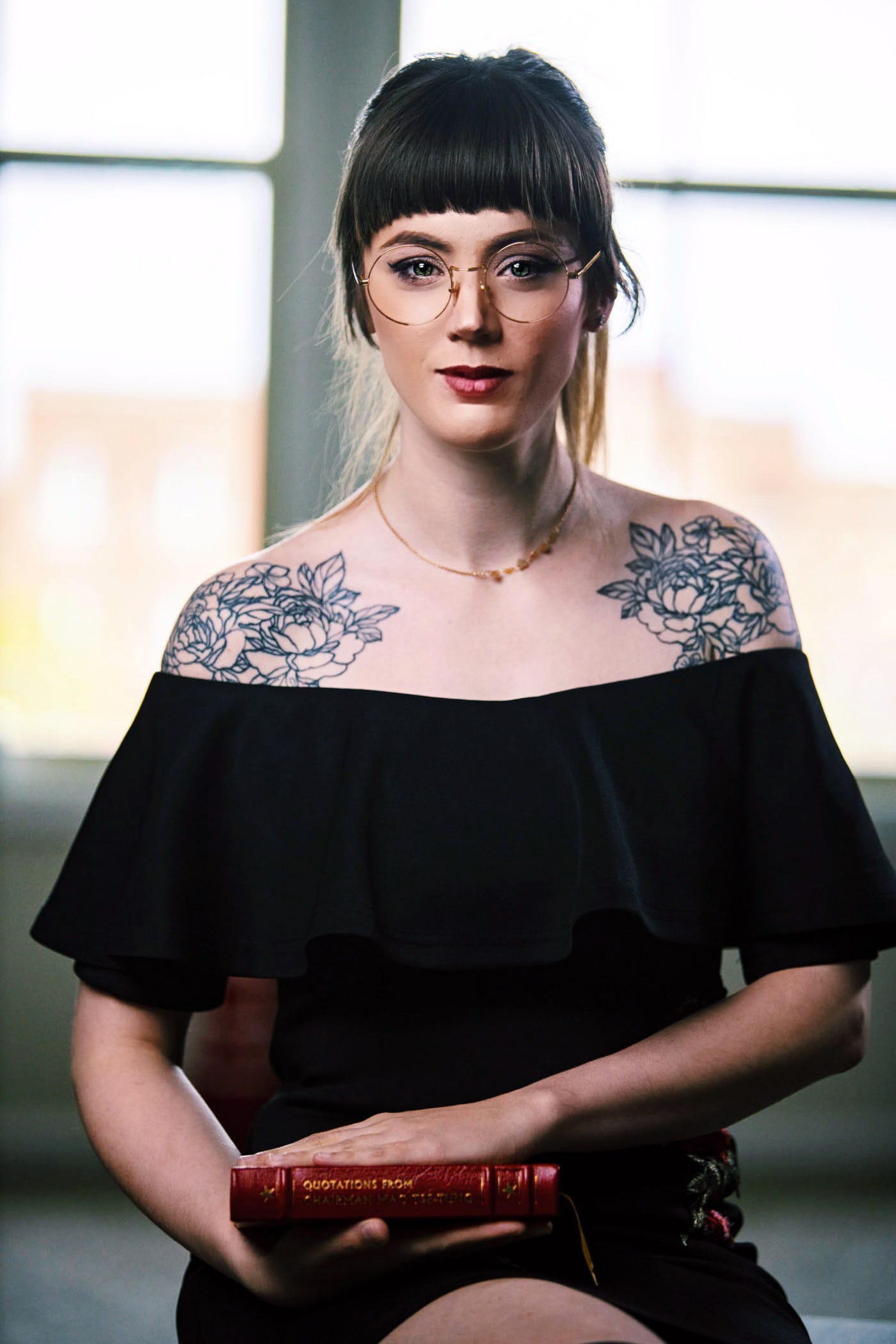
Diamond McKenna is a woman on a mission. As Co-Founder and CEO of Diamond Assets, she has helped countless businesses and school districts find an equitable way to access the technology they need to be successful. With a strong belief in servant leadership, she has been a board member for both the School District of Milton and the Milton Area Chamber of Commerce in Milton, Wis. Further serving her community, McKenna is a founder of the Milton Leadership Institute, a six-month program to strengthen professional skills with a hands-on approach that serves local nonprofits in need.
Thank you so much for doing this with us! Can you tell us a story about what brought you to this specific career path?
In 2014, we realized there was a serious gap in technology funding sources and service providers for K-12 schools in the United States. We saw schools being taken advantage of as they were wasting time packaging up their used devices to be recycled for pennies on the pound.
We knew that even their dated Apple equipment had residual value, and that both teachers and students needed a constant stream of fresh technology in order to thrive. Rather than worrying about equipment, we wanted educators to focus on what they do best: helping children learn.
From there, Diamond Assets was created. We stepped in to provide schools with a knowledgeable source to upcycle and recycle old devices in a way that took the burden away from educators while maximizing trade in value.
What is the mission of your company? What problems are you aiming to solve?
Our mission is to provide schools with a path to sustainable technology. Technology purchases and utilization plans are more than just transactions. They require an executable and intentional plan to best utilize funding sources and residual values. That, in turn, promotes equity and longevity within the U.S. education system.
We want to ensure that every student, teacher and business professional has predictable and reliable access to top technology, and a clear path to sustain that expectation.
Can you tell our readers about the initiatives that you or your company are taking to address climate change or sustainability? Can you give an example for each?
For the millions of Apple devices that we take in, we work to find an appropriate placement for each one. We have prevented more than two million devices from ending up in landfills, reducing GHG emissions by nearly 17 million pounds.
Our methods upcycle as many devices as possible back into the public to serve a new generation of technology users. If it cannot be upcycled, we recycle it responsibly.
How would you articulate how a business can become more profitable by being more sustainable and more environmentally conscious? Can you share a story or example?
Old devices that are thrown away or left to collect dust are more than an environmental concern. They’re literally money being left on the table. In less than eight years, we have helped school districts and businesses across the country recover $170 million from their aging technology.
That’s why it’s so critical to create a plan for your technology. There are sweet spots in recouping technology funds that you can use to invest in new fleets.
Companies such as Diamond Assets can step in as partners to help you implement a plan that encourages responsible technology purchases and upcycling programs. We work to identify the return on investment within your existing fleet so you can be prepared to take advantage of those sweet spots.
The youth led climate strikes of September 2019 showed an impressive degree of activism and initiative by young people on behalf of climate change. This was great, and there is still plenty that needs to be done. In your opinion what are 5 things parents should do to inspire the next generation to become engaged in sustainability and the environmental movement? Please give a story or an example for each.
- Do research on every side of the movement. It is important to champion change, but that needs to be done in a fully-encompassed way — not only a one-sided manner. Let’s make the movement realistic and maintain follow through.
- Don’t let technology collect dust. Stop putting used electronics in junk drawers or the backs of closets. Teach the next generation about equity and access to technology in all of its forms. Your previously-owned device can be someone else’s treasure.
- Don’t just share something or say something — DO something. Help with an e-waste drive or reduce the amount of time you spend in the shower each day. Teach kids that you can own this movement and contribute change to the world’s sustainability each and every day.
- Plan for the future. Teach your kids how to create long-term plans for their technology. Don’t let technology just be a fad. Rather, understand the value in technology and how proper use and upcyling saves devices from reaching landfills.
- Get their kids interested in STEM. Even from a young age, encourage STEM projects that embrace sustainability. The earlier a student can see and do hands-on projects that promote environmentally-friendly behaviors, the more likely they will be to adopt them for a lifetime.
What are your “5 Things I Wish Someone Told Me Before I Started” and why?
- Never book an 8 am meeting on a Monday because it will almost always be derailed by a manic Monday.
- Lead with grace. It will always get you further.
- Answer with “Yes, if…” or “Yes, and…” Avoid using “No, but…” The ability to grow, pivot and change are more achievable with a “Yes” attitude.
- Even so, it is okay to say no. We cannot be the solution to every issue. If saying no will keep you on track to stick to your mission and vision, that’s what you need to do.
- Know people’s why. Having a staff isn’t about people showing up to work each day. It is about understanding why they are showing up to work each day and making sure those reasons are part of why and how the company operates.
None of us are able to achieve success without some help along the way. Is there a particular person who you are grateful towards who helped get you to where you are? Can you share a story about that?
My rock and biggest supporter is my husband, Mike McKenna. We started the journey of Diamond Assets together and grew through entrepreneurship, marriage and building a family. Through every milestone, he was my biggest champion, sounding board and motivator. At times, when I questioned how I was going to persevere, he always believed in me and my journey.
You are a person of great influence and doing some great things for the world! If you could inspire a movement that would bring the greatest amount of good to the greatest amount of people, what would that be? You never know what your idea can trigger. :-)
If I could inspire a movement in today’s landscape, it would be one of humility and inclusion.
We are all human, filled with flaws and trying to figure out the world each and every day. Our uniqueness sets us apart, so our differences should be embraced, challenged and respected. We need to diversify our surroundings and celebrate our differences, rather than vilify and divide.
Do you have a favorite life lesson quote? Can you tell us how that was relevant to you in your own life?
“We cannot change what we are not aware of, and once we are aware, we cannot help but change.” — Sheryl Sandberg
The world we are living in is evolving every single day. It is pivotal to be aware of that evolution so we can be ready and willing to change. At school systems nationwide, the pandemic put a spotlight on technology accessibility and equity. That forced Diamond Assets to evolve from a buy-back company to a service partner and advisor. It’s important to be forward thinking and create a long-term plan for sustainability, so that everyone continues to be able to access technology.
What is the best way for people to follow you on social media?
Readers can follow Diamond Assets via our social media channels:
https://www.linkedin.com/company/diamond-assets/
https://www.facebook.com/DiamondAssetsMilton
This was so inspiring. Thank you so much for joining us!
AM
Written by
Authority Magazine Editorial Staff
Editorial Desk · Authority MagazineThe Authority Magazine Editorial Desk produces, verifies, and edits long-form primary-source interviews with executives, innovators, clinicians, creators, and social impact leaders across Business, Tech, Pop Culture, Wellness, and Social Impact.

Published inAuthority MagazineTop Lessons, Top Authorities · 42K Followers
Exclusive, curated interviews with the leaders and changemakers shaping tomorrow. Leadership lessons, industry deep dives, and executive profiles.