When I became a CEO, I felt like an imposter because I believed that “real” CEOs were good at their jobs because they had some secret knowledge I was missing—MBAs, decades of management experience, or specialized training that qualified them for the role.
Devin Bramhall Authority Magazine Interview offline doc
5 Things You Need To Create A Highly Successful Career As A CMO Or Marketing Professional
A successful CMO has many roles, including leading an organization's marketing department, establishing marketing strategies, and tracking successes and failures. How can a CMO create a highly successful career? What tools, strategies, and approaches can a CMO use to be successful? In this interview series, we are talking to current or retired CMOs about "5 Things You Need To Create A Highly Successful Career As A CMO". As a part of this series, we had the pleasure of interviewing Devin Bramhall.
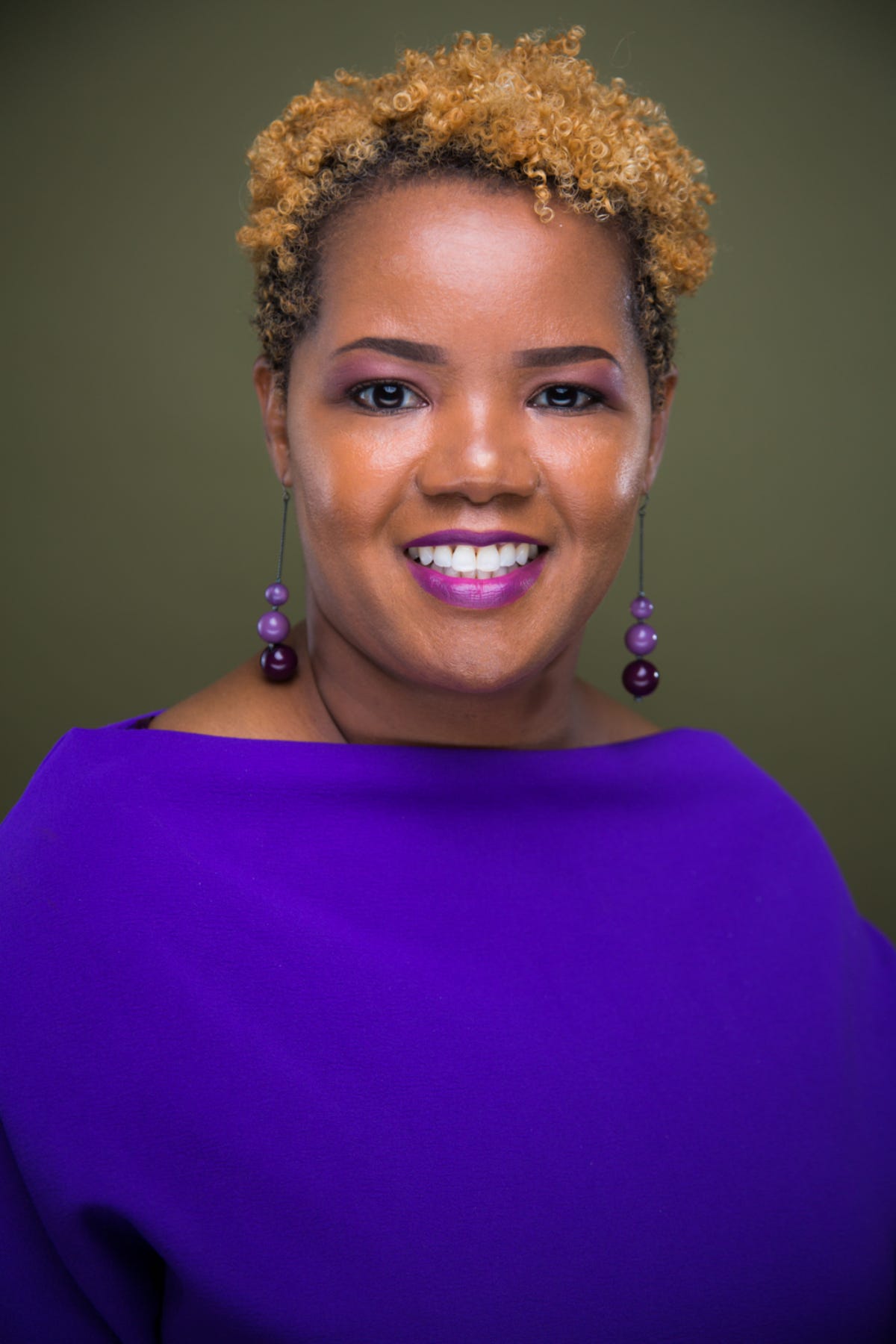
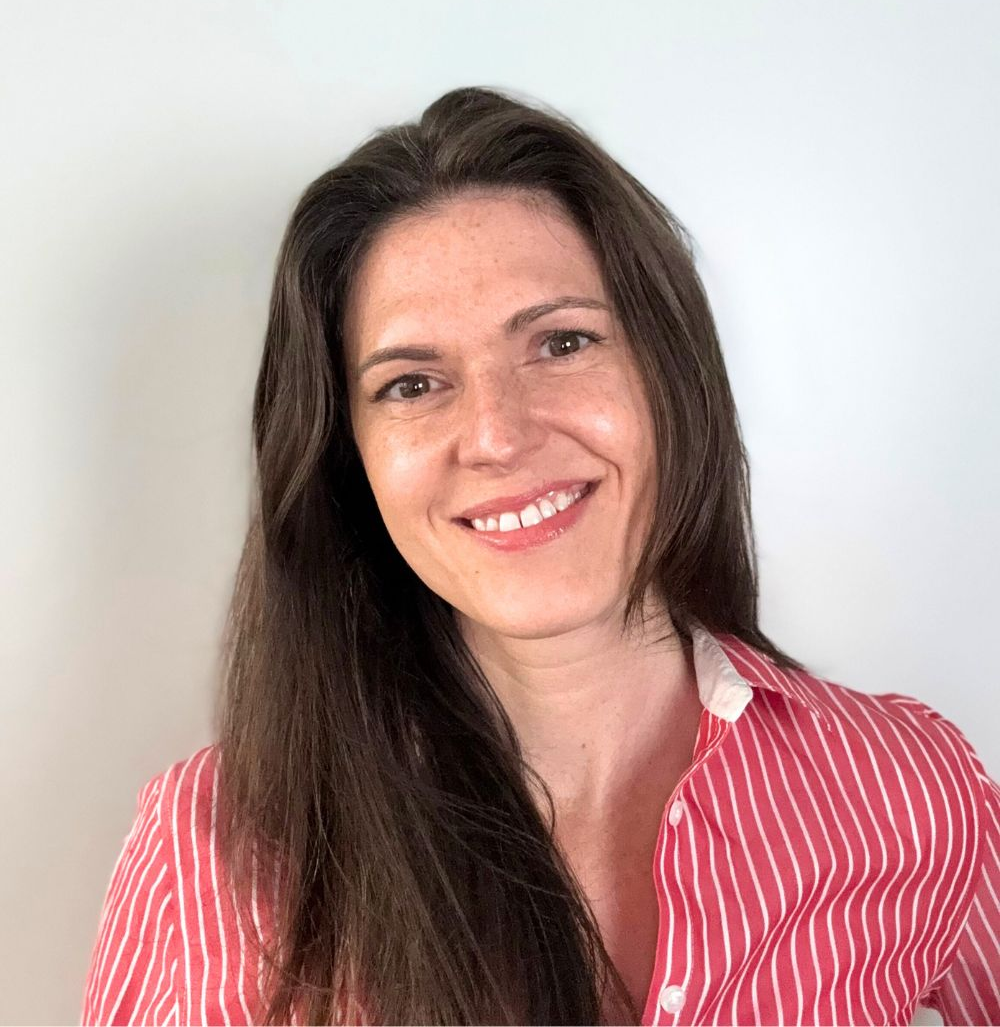
Devin Bramhall is a Business Growth Advisor, Chief Growth Officer at Everest, and a leading voice on the strategic role of storytelling in business. With over 15 years of marketing and leadership experience across startups, agencies, and large corporations, Devin helps companies increase their revenue and build stronger, more authentic brands. She is the former CEO of Animalz, the leading content marketing agency for B2B SaaS companies, where she doubled revenue to nearly $12M in two years. She is set to release her first book, B2B Content Marketing Strategy, in October 2025.
Thank you so much for doing this with us! Before we dive in, our readers would love to "get to know you" a bit better. Can you share your personal backstory with us?
I built my career by consistently turning constraints into opportunities.
I was homeschooled for most of my school years. Then I got my GED at 16 and managed a local pet sitting business in Boston that served thousands of clients—work I'd started doing data entry for at age 12. After a semester of college in Hawaii, I spent time working at the base of Mount Washington with the Appalachian Mountain Club before starting college late at UMass Boston. When I wanted to transfer to NYU but couldn't afford the SAT prep (tests give me extreme anxiety anyway), I discovered transfers didn't need scores. NYU accepted me, but when I couldn't afford it, I stayed at UMass studying journalism and took my first job out of college at a high-end fashion boutique, hoping to become a fashion journalist.
My path to content marketing began in the most unexpected place, a birth room in Bali. At 26, I was volunteering at a birthing clinic in Nyuh Kuning, doing office work and running their volunteer program. A few weeks into my time there (I ended up staying for almost two years), I got a call at 2:30 AM to help deliver a baby. This was not something I had planned for! The experience was so transformational that I immediately went to my room and wrote about it. Later, I adapted it into a story I told at storytelling competitions.
My love of writing and storytelling got me my first job in tech doing community management and customer support. After a year or so, I convinced my boss to create a content marketing role for me, despite having no formal marketing experience. For the next 10+ years, I continued reaching for more opportunities to learn and lead. When I couldn’t get them at my job, I sought after experience outside work, developing my own event series, running the largest marketing group in Boston, and more.
When I landed at Animalz, I was the VP of Marketing. A year and a half later, while in a planning meeting with the founder and my executive colleagues, I pointed at the founder and said, “I want your job.” Eight months later, I was the CEO.
Everything in my background that felt like a disadvantage—being homeschooled, not having an MBA, taking unconventional detours through fashion and outdoor work, actually prepared me perfectly for a career without established playbooks. When I became CEO of Animalz in March 2020, after only one year as a VP, right as the pandemic hit and we lost over $100,000 in monthly recurring revenue in six weeks, I realized my experience navigating uncertainty was precisely what the role required. We didn't just survive, we grew revenue from $3 million to nearly $12 million in 2.5 years by staying curious, being brave, and making it up as we went along.
What do you think was a pivotal moment that led you on your path to becoming a CMO?
I never wanted to be a CMO. The role always seemed boring to me. Mostly reporting, internal politics, and endless meetings. So I skipped over it and became a CEO instead, and I’m glad I did. Being a CEO helped me understand the behind-the-scenes reasons why the CMO job sucks and also why there’s so much turnover. The role shouldn’t exist. Marketing, Sales, and Customer Experience aren’t meant to be separated so definitively into different funnel stages. That’s why I believe strongly in the Growth role. As Chief Growth Officer, I lead all three departments with fewer barriers and produce results more efficiently while creating a smoother experience for both our customers and my team.
Can you share the most interesting story that happened to you since you began leading your company?
When I became a CEO, I felt like an imposter because I believed that “real” CEOs were good at their jobs because they had some secret knowledge I was missing—MBAs, decades of management experience, or specialized training that qualified them for the role.
Yeah, I was experiencing major imposter syndrome.
So, I reached out to a few successful CEOs I knew and presented them with the organizational challenges I was facing and my proposed solutions, expecting them to share their wisdom and tell me the "correct" approach.
They all had a similar response: "Yeah, sounds right." When I pushed back, asking if they actually knew the right answer, one CEO laughed and said, "No one knows. You just make it up and see what happens." Several even asked me for advice on challenges they were facing. That moment changed everything. I realized that if no one truly knows what they're doing and there's no single correct way to run a business, then my unconventional background wasn't a disadvantage. It was actually perfect preparation for a role that requires creating solutions without a predefined playbook.
None of us are able to achieve success without some help along the way. Is there a particular person who you are grateful for who helped get you to where you are? Can you share a story about that?
Jaqueline Hampton gave me my first-ever job in marketing, before I had any experience. While she was my boss, she held me to a high standard while helping me live up to my potential. She started my career in marketing, and you know what I did? I left for another job in less than a year, at a time that I knew was inconvenient for her. Still, she supported me, because she wanted what was best for me. We became good friends after that, and she’s helped guide me at every step of my career. I love her like family and I will always attribute my success to her.
Can you please give us your favorite "Life Lesson Quote"? Can you share how that was relevant to you in your life?
“What you go after eludes you. What you become, you attract.” My mother has repeated that quote to me since I was a child. I don’t know where it came from, but it’s guided me throughout my life. When I’m living with anxiety and stress, I know I’ve gone after people, jobs or situations based on ego, not fulfillment. When I’m motivated, excited, having new ideas, and the people around me are not draining my energy, I know I’m going in the right direction.
Can you share with us three strengths, skills, or characteristics that helped you to reach this place in your career? How can others actively build these areas within themselves?
Curiosity is motivating and keeps judgment at bay, allowing you to absorb more information and learn quickly.
Choosing which rules or career milestones to follow rather than blindly following because the rules exist.
Allowing myself to be uncomfortable throughout my career. Discomfort is often a sign that you’re learning, so I leaned into that, even though it wasn’t always fun in the moment.
Which skills are you still trying to grow now?
Patience. Listening.
Fantastic. Here is the primary question of our interview. Having reached this space, what do you believe are the five things you need to be a highly successful CMO? Please share a story or example for each.
1. Great leaders don't follow playbooks: The most successful CMOs create their own path rather than copying what worked for other companies. Playbooks are just someone else's made-up solution to their specific circumstances. They're not universal truths. When I became CEO of Animalz during the pandemic, there was no playbook for leading a content agency through a global crisis. The companies that thrived were those that abandoned traditional marketing playbooks and created solutions based on their unique circumstances. They understand that marketing tactics become commoditized the moment everyone starts using them, so true competitive advantage comes from reasoning from first principles and your specific situation rather than copying what others are doing.
2. Focus on human psychology over technology: Your tech stack isn't your biggest differentiator —it's understanding human behavior. While tracking and scaling content gets easier every day, the skill that remains elusive is genuinely understanding how people think and make decisions.
3. Storytelling: Especially when reporting on data. Numbers aren't fundamental truths; their meaning can be manipulated depending on how you frame them. I learned this lesson when I realized that reporting to stakeholders is less about honest reflection and more like running a PR campaign. Even good results won't speak for themselves. You need to craft compelling narratives that help executives understand not just what happened, but why it matters for the business.
4. Objectivity: Don't get too attached to a single idea or outcome. Keep your focus on something bigger that benefits you in the future, so you're making decisions from a neutral place, not emotion or ego. Neutrality is leverage. When we lost over $100,000 in monthly recurring revenue in my first six weeks as CEO, I had to stay objective about what we could and couldn't control, focusing on strategic responses rather than getting emotional about the setbacks.
5. Curiosity: Spend your time asking questions rather than explaining yourself. Information is leverage, and you want the most of it. "Why" people into their own answers and realizations. At the end of the day, few people can be told anything, and few executives trust marketers. I learned this when consulting other CEOs about leadership challenges. Instead of giving them advice, I asked questions that helped them reach their own conclusions, which built far more trust than any expertise I could have demonstrated.
Are there any underrated skills or qualities that you encourage others not to overlook?
Don’t be a jerk. Not for any moral reason - I’m not here to judge. It’s just not strategic. Don’t be nice, either. You’re doing MARKETING. Being nice or being a jerk are signs you’re taking the job too seriously. You’ll be more effective - and happier - if you don’t.
What are some of the main issues that other CMOs commonly struggle with? What can be done to address those challenges?
The biggest challenges CMOs face aren't actually marketing problems—they're business problems that require political solutions. Here are the most common struggles I see:
CEO alignment and trust. According to McKinsey, only 50% of CEOs feel comfortable with modern marketing, while 66% of CMOs say their CEOs aren't comfortable with it. This disconnect creates a fundamental trust gap. CMOs spend enormous energy trying to educate executives about marketing instead of focusing on business outcomes. The solution isn't better marketing education. Instead, learn to speak the CEO's language. Show up to conversations focused on revenue, efficiency, and competitive advantage, not marketing metrics.
Reporting on impact in ways stakeholders actually value. Most CMOs get trapped trying to prove every marketing activity with perfect attribution, but executives don't need to understand your multi-touch attribution model—they need to know how marketing drives business results. I've seen CMOs lose budget approvals because they spent 15 minutes explaining sophisticated tracking instead of simply showing how content influenced revenue. The key is ruthlessly eliminating marketing jargon and focusing on business outcomes using language that resonates with finance, sales, and product teams.
The transition from execution to executive alignment. When marketers become CMOs, nobody explains that the majority of their work shifts from external marketing to internal politics. Suddenly you're spending most of your time in committee meetings getting executive alignment around priorities and budget, often with people who don't have marketing backgrounds. This feels like you're doing work that doesn't matter because it's not visible externally, but it's actually the most critical work you do. Success as a CMO isn't just about executing campaigns; it's about building trust with the executive team so you can execute campaigns in the first place.
The harsh reality is that many of these challenges exist because the CMO role, as traditionally structured, is fundamentally flawed. Marketing, sales, and customer experience aren't meant to be separated so definitively. That's why I believe the future belongs to Chief Growth Officers who can lead all customer-facing functions with fewer barriers and produce results more efficiently.
What do you believe is the most effective way to stand out and make an impact as a CMO?
Honestly, don’t be one. If you do, negotiate hard to get the best terms possible, including an advantageous termination package. Be willing to walk away if you don’t get what you want.
Also, develop close relationships with the CEO and CTO right away. Show you share their concerns and priorities. Speak their language. Don’t try to change their minds about marketing. Tell them stories using the words they understand and outcomes they value. Don’t give too many details, even if they ask.
Ultimately, you don’t need to be a CMO to make an impact that unlocks huge opportunities in your career. Also, whatever “impact” you make must include impact on your own career goals. Choose a company and a role where you can show results in the first year. It doesn’t matter what happens with the job after that, because the numbers are all the validation you need.
You are a person of great influence. If you could inspire a movement that would bring the most amount of good for the greatest number of people, what would that be?
You never know what your idea can trigger.
Everything is made up. Laws, rules, policies, business structures, religion. What gives these things power is folks’ willingness to go along with them. And the only reason they go along with any of these structures is because they offer folks’ a sense of belonging and purpose. It’s also why change is so hard for most people. Change often threatens the structures on which they built their identity.
But if you grow up outside these systems, like I did, you see that rigidity is often an opportunity for you to slip through the cracks and get what you want without having to take same steps as everyone else. (HUGE privilege asterix here. These same structures and norms have done tremendous damage to our world by preventing ideas, wealth and talent from that could have led to much greater progress than we see today.)
We are very blessed that some very prominent names in Business, VC funding, Sports, and Entertainment read this column. Is there a person in the world or in the US with whom you would love to have a private breakfast or lunch, and why? He or she might just see this if we tag them.
Serena Williams never let anyone else define who she was. Despite media stories, social media banter, or even the pro tennis exclusionary culture, Serena focused on herself, who she wanted to be, and what she wanted from her life. She made her own path and didn’t look around to see if anyone approved. Her competitive mindset and business acumen on top of her inner strength and sports achievements, get me out of bed on those days when “I just don’t want to.” I think of her when someone says I should focus less on my career or asks why I’m not married, and when am I going to have kids. I would love to have a casual lunch with her and talk about her hobbies, her kids, what she’s up to—ordinary stuff. I think seeing your heroes and mentors as humans is more helpful than putting them on a pedestal, because it shows you that, as my mom always said, even they pull their pants down to go to the bathroom like everybody else.
Thank you for these fantastic insights. We greatly appreciate the time you spent on this.