The institutions of belonging — country clubs, trade guilds, book clubs, whatever — have either disappeared or are dated, both in style and in substance. They’re stale or exclusionary and usually both.
Business
Derek Sieg of Common House on Redefining Social Clubs, Embracing Authenticity, and Building Spaces for True Human Connection
The co-founder and chief creative officer discusses his journey from filmmaking to hospitality, creating modern third spaces, and scaling authentic community experiences.
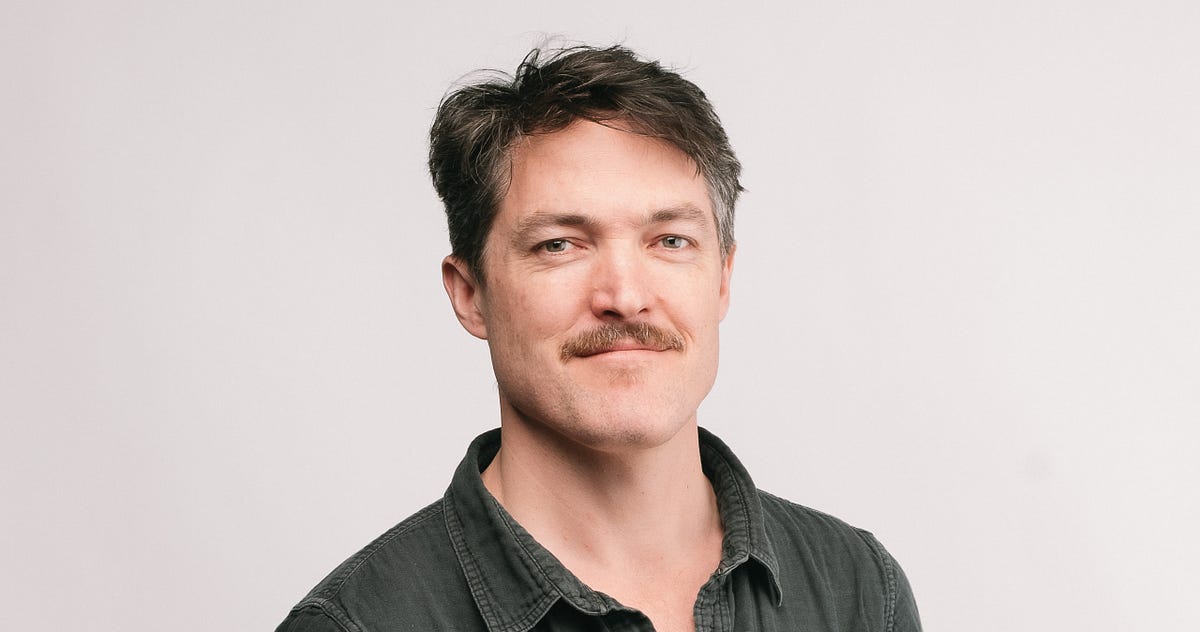
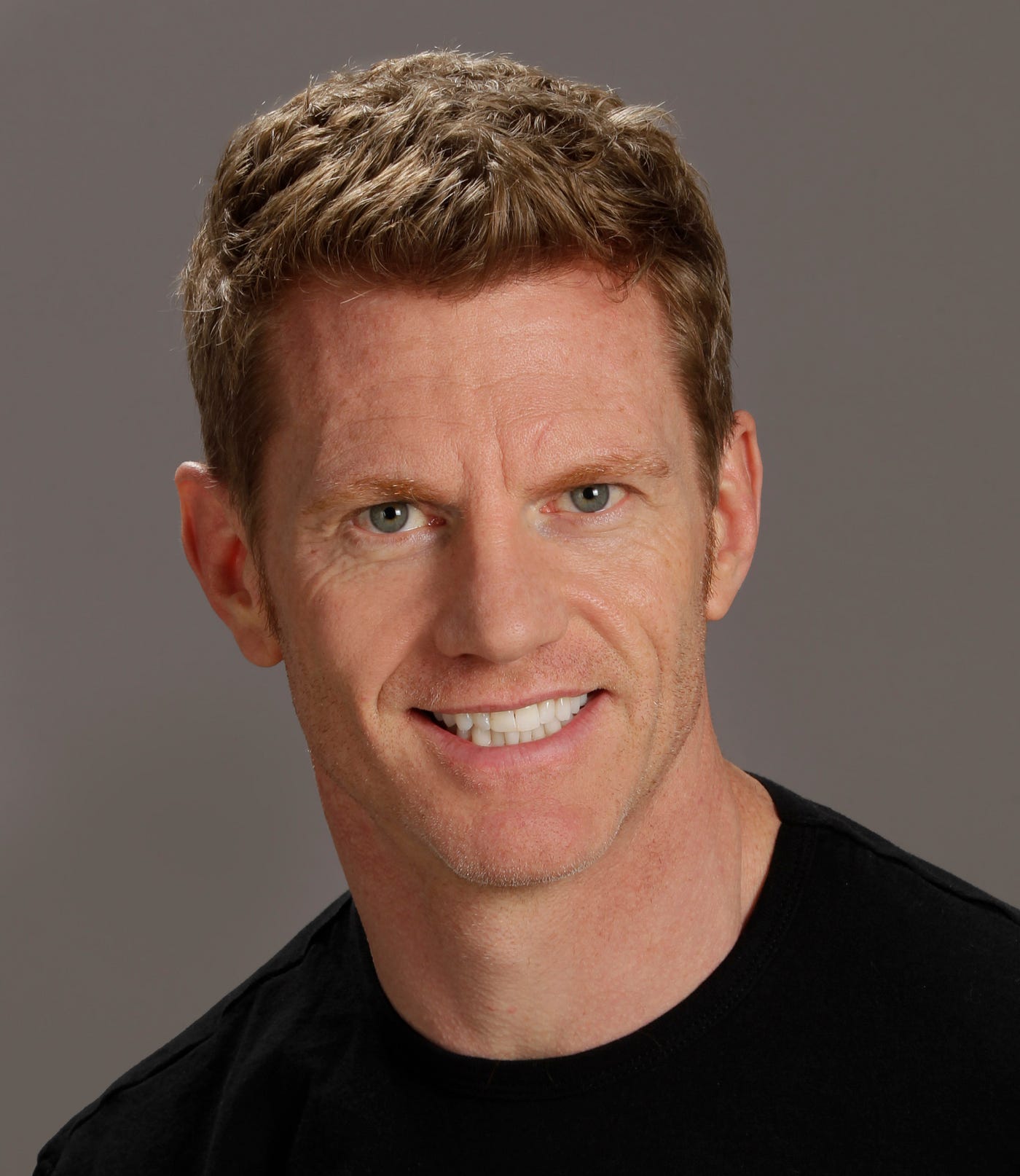
As a part of our series about business leaders who are shaking things up in their industry, I had the pleasure of interviewing Derek Sieg, Co-Founder + Chief Creative Officer of Common House.
After graduating from the University of Virginia, Derek began his career as a travel writer detailing preeminent hotels and restaurants before landing in Los Angeles where he wrote and directed two critically acclaimed feature films, most recently Hot Air, winner of the 2016 Austin Film Festival.
An opportunity to culminate his talents for style, creativity, and hospitality came along with Common House, and in 2017 he followed his roots back to Charlottesville to open Common House №1, alongside cofounder
Ben Pfinsgraff. Common House is a social club and curated third space that offers unique amenities including restaurants and bars, rooftop pool, co-working space, a podcast studio and more. Derek, along with his partner Ben, opened their first location in Charlottesville, VA in 2017 and have expanded to open House №2 in Richmond, VA last month and are well underway on construction for House №3 in Chattanooga, TN.
Thank you so much for doing this with us! Before we dig in, our readers would like to get to know you a bit more. Can you tell us a bit about your “backstory”? What led you to this particular career path?
I was a filmmaker living in Los Angeles, and I was attracted to filmmaking just because I love to create things, especially in a multi-disciplined sort of way. After I moved back to my hometown in Charlottesville, VA, I was helping produce a documentary about the card game bridge when I came across a book about the erosion of our social fabric called “Bowling Alone,” and it got me thinking about starting a club, something that brought people together in person, to meet, hang out, and learn.
Can you tell our readers what it is about the work you’re doing that’s disruptive?
The institutions of belonging — country clubs, trade guilds, book clubs, whatever — have either disappeared or are dated, both in style and in substance. They’re stale or exclusionary and usually both. There’s a big segment of the population that doesn’t want to hang out in places that feel like their grandparents’ house but have a desire to belong and to expand their social circles. Common House gives people an opportunity to hang out in a cool space, have great food, get work done, and get exposed to new music, ideas, skills, etc. while also potentially having a social experience or connection. There really aren’t many places that put all of that together outside of huge, global markets. I guess you know you’re a disrupter when you don’t really have any competition. I think it also tells you that what you’re trying to do is really hard.
Can you share a story about the funniest mistake you made when you were first starting? Can you tell us what lesson you learned from that?
The first mistake I made was when I thought I would start a bridge club because I don’t play bridge, and I don’t even really want to learn. So obviously I should start a bridge club.
We all need a little help along the journey. Who have been some of your mentors? Can you share a story about how they made an impact?
More than anything the membership of Common House as a whole has been my biggest mentor. The membership has wanted Common House to succeed, and they’ve been honest enough to give unvarnished feedback when we most needed it. We don’t have many true competitors in every way, but we compete for our members’ time with restaurants, movie theaters, Facebook and TV or whatever else. We have to be good enough to earn people’s time, and if those people will help you clear that high bar, it can make all the difference.
In today’s parlance, being disruptive is usually a positive adjective. But is disrupting always good? When do we say the converse, that a system or structure has ‘withstood the test of time’? Can you articulate to our readers when disrupting an industry is positive, and when disrupting an industry is ‘not so positive’? Can you share some examples of what you mean?
Obviously disrupting is not an end in of itself. Creating better lives for ourselves and our communities should be that end, and you could actually say that TV was the biggest disrupter when it comes to our social fabric and I think it’s fair to say our social lives have suffered. But I don’t think an entrepreneur is likely to be able to know in advance if their hoped-for disruption will be positive or negative, but if they’re focused merely on disrupting it’s more likely to be the latter.
Can you share 3 of the best words of advice you’ve gotten along your journey? Please give a story or example for each.
- Don’t get ahead of yourselves — With opportunities to expand and grow it’s been hard sometimes not to want to take every opportunity. With the bar to succeed so high in each location, it’s going to take the best of us to succeed, and we don’t want to be spread any thinner than we have to be.
- Make sure each step of growth benefits what you’ve done already — This probably applies most to a location-oriented business. We can’t grow at the expense of our current clubs, and we should aim to have our growth actually improve the clubs we’ve already opened.
- Listen to your instincts — This doesn’t mean you should only listen to your instincts, but I think it’s easy to try to think too much about what others want. In filmmaking, they would say, make movies that you would want to see. It’s the same idea — if you are true to yourself, at the very least it will be authentic, and authenticity is something people are drawn to. For us, that usually is about how our spaces feel and our food and beverage. Everyone has different tastes and you can’t please everyone, but if those things at least have authenticity, they’re going to have the widest appeal.
We are sure you aren’t done. How are you going to shake things up next?
We want to keep finding great buildings in markets that are looking for something like Common House, so we can continue to create spaces for people to come together and, if nothing else, enjoy each other’s’ company. We’re opening a club in Chattanooga in March and have more in the works.
Do you have a book, podcast, or talk that’s had a deep impact on your thinking? Can you share a story with us? Can you explain why it was so resonant with you?
“The Second Mountain” by David Brooks was something powerful for me. As we all have, I’ve had some challenges in my own life, and I found a lot of inspiration in that book for how and why to climb that second mountain. The long and the short of it is that our lives and our ventures must have greater goals than just making money, making fame, or making power for ourselves. A meaningful life and career have to aspire to something more than merely self-reward. I’ve really tried to take that to heart.
Can you please give us your favorite “Life Lesson Quote”? Can you share how that was relevant to you in your life?
I had a magnet that was in the vein of the cat-hanging-on-the-rope “hang in there” things — it said, “Live the life you’ve imagined.” Just that simple saying helps me adjust my perspective and point myself a little closer to the direction I really want to be heading in.
You are a person of great influence. If you could inspire a movement that would bring the most amount of good to the most amount of people, what would that be? You never know what your idea can trigger. :-)
I think the movement I’d want to inspire is already underway. It’s the movement back toward tangible, human, and natural ways of living. People are keeping bees, they’re buying local, they’re walking to work. If I can be a part of a movement back toward rich and tangible social lives that’s something I’d be very proud of and I think something we all need — and will always need.
How can our readers follow you online?
This was very inspiring. Thank you so much for joining us!
JH
Written by
Jason Hartman
Editor & Journalist · Authority MagazineJason Hartman is a senior columnist at Authority Magazine covering Business and Tech, conducting primary-source Q&A interviews with founders, executives, and industry leaders.

Published inAuthority MagazineTop Lessons, Top Authorities · 42K Followers
Exclusive, curated interviews with the leaders and changemakers shaping tomorrow. Leadership lessons, industry deep dives, and executive profiles.