I delved into the realm of insurance, delving into its subtleties, and refining my skills in sales and customer service.
David Price of The Price Group on Five Life and Leadership Lessons I Learned In The Military
INTERVIEW QUESTIONS.
As a part of our series about “Life and Leadership Lessons Learned In The Military”, we had the pleasure of interviewing (David Price).
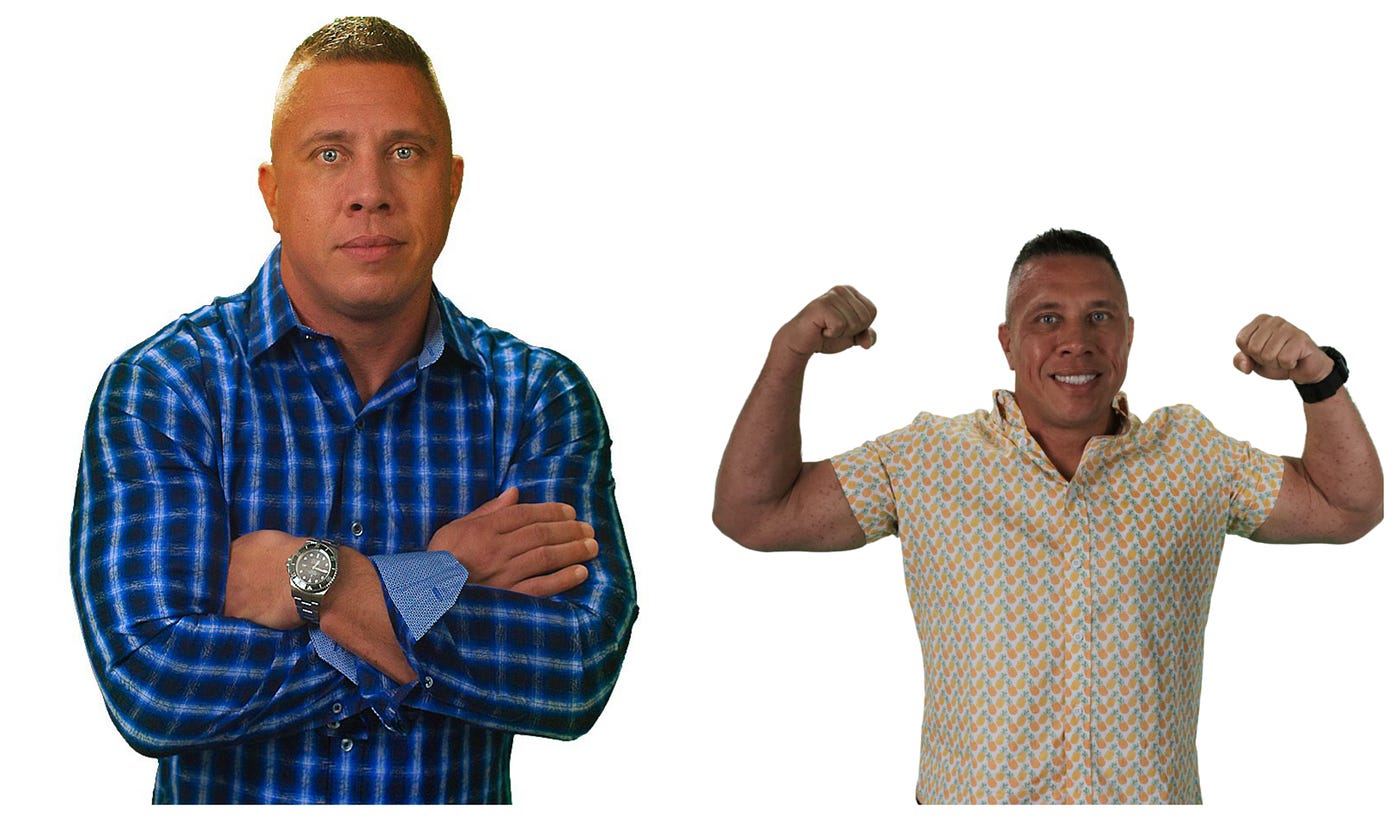
David Price is the CEO and Founder of The Price Group - one of the fastest-growing agencies in the insurance industry. He entered the industry in 2018 with a strong focus on Final Expense Life Insurance. David became the fastest millionaire in the industry depositing over a million dollars in his bank account within 36 months of getting his insurance license and making over 1 million a year in his 4th full year as a licensed agent. He has created a simple and effective system that has enabled many people to achieve multi-six-figure incomes from the comfort of their own homes. David firmly believes that anyone, regardless of their profession or skill level, can obtain a license and create a 6-figure income with hard work. As the owner of the fastest-growing agency in the industry with Senior Life Insurance Company, David has personally mentored some of the most accomplished sales agents in the country. His unwavering commitment to helping others achieve success has earned him a reputation as a leader in the insurance industry.
Thank you so much for doing this with us! Can you tell us a bit about your childhood “backstory”?
From a very young age, I have been inherently drawn to the world of business. The concept of creating something from scratch, identifying opportunities, and turning them into profitable ventures has always held a deep fascination for me. This inherent entrepreneurial spirit has consistently defined my life.
One of my earliest characteristics was my inclination to seek out deals and bargains. I have perpetually been captivated by the art of acquiring items at a lower cost and subsequently identifying the right market to sell them for a profit. This early interest in trade and an innate understanding of the value of items laid the fundamental groundwork for my future endeavors.
Throughout my journey, I ventured into various business ideas. While some proved successful, others provided valuable lessons. Yet, what remained unwavering was my insatiable curiosity about profit margins. I maintained a keen interest in comprehending how to optimize profits, whether through cost-cutting measures, strategic pricing, or the identification of lucrative market niches.
During these explorations, I serendipitously stumbled upon the insurance industry. I discovered that the intricacies of insurance were relatively straightforward to replicate, offering a potential for a profitable business model. The notion of providing financial protection to individuals and businesses while simultaneously earning a stable income resonated deeply with me.
I delved into the realm of insurance, delving into its subtleties, and refining my skills in sales and customer service. Over time, I succeeded in building a thriving insurance business. This venture not only provided me with financial security but also allowed me the gratification of assisting others in safeguarding their assets and loved ones.
Can you tell us a bit about your military background?
I enlisted in the military in 2000 because I had grown too comfortable with my life and yearned for a change. When I joined, there were no conflicts, and I assumed the likelihood of going to war was low. However, the events of 9/11 occurred, leading to my deployment to Iraq in 2003. It was during this deployment that I gained valuable insights into leadership and teamwork. I firmly believe that my military experience laid the foundation for many principles I now apply in both my business and personal life. I am profoundly grateful for my service.
And what are you doing today? Can you share a story that exemplifies the unique work that you are doing?
Can you share the most interesting story that you experienced during your military career? What “take away” did you learn from that story?
For a while, we were residing in these small man camps, typically housing about 10 individuals, tasked with providing security to a pump station along a pipeline that transported JP8 (the Army's equivalent of diesel fuel) through Iraq to supply tanks and other equipment. On one occasion, my colleague and I needed to make a short 20-mile trip to another base camp. We had made this journey countless times before without encountering any threats, as we were deep in the heart of the desert. I carried my M16 rifle with just one magazine of ammunition and barely enough water for a brief 20-minute ride, which was almost none. The destination we were headed to had an ample water supply, so there seemed to be no need to bring extra.
To cut a long story short, we ended up getting lost in the middle of the desert, and when I glanced at the fuel gauge, it was hovering precariously close to empty. The realization struck me that we might run out of fuel, and the scorching Iraqi sun would be relentless. So, I promptly searched the truck for water, only to discover a collection of mostly half-empty water bottles strewn on the floor, having become too hot to consume in their entirety.
At that moment, I knew we were in a tight spot, but then things took a turn for the worse. In the distance, I spotted a pickup truck, resembling something out of a Taliban convoy, with individuals standing in the truck bed, barreling straight toward us in the middle of the desert.
It was at this juncture that my companion confessed he had brought no ammunition at all. In response, I handed him a single round and urged him to make the most of it.
We pulled the truck over and disembarked, doing our best to present ourselves as a potential threat, hoping they wouldn't realize how ill-prepared we were.
As it turned out, the approaching truck decided to change course, and we ultimately reached our destination without any further incidents.
This experience taught me a valuable lesson: always be prepared for the worst and never grow complacent.
We are interested in fleshing out what a hero is. Did you experience or hear about a story of heroism, during your military experience? Can you share that story with us? Feel free to be as elaborate as you’d like.
When I contemplate heroism, my first instinct is to pause and honor those who made the ultimate sacrifice, giving their lives in service. However, it's equally essential to acknowledge all the servicemen and servicewomen who bravely stepped up to the line of duty, enduring deployments to unfamiliar, challenging environments, where they had to endure subpar meals, live in tents, and spend extended periods away from their families. Many among them missed the birth of their own children or those precious first steps taken by their kids. There exists a profound level of sacrifice that often goes unnoticed, and these individuals, too, deserve the title of heroes.
Based on that story, how would you define what a “hero” is? Can you explain?
Based on that story, a "hero" can be defined as someone who demonstrates exceptional courage, selflessness, and a willingness to make significant sacrifices for the greater good, often in the face of adversity and personal hardships. Heroes are not limited to those who perform extraordinary acts on a grand scale but also encompass individuals who undertake the noble duty of serving their country, community, or fellow human beings.
In this context, heroes include not only those who paid the ultimate price by giving their lives in the line of duty but also those who voluntarily choose to serve, endure challenging conditions, and make personal sacrifices to protect and support others. These heroes may miss pivotal family moments and face hardships far from home, all while contributing to the safety and well-being of their nation. Their heroism lies in their commitment to a cause larger than themselves and their willingness to endure and persevere, even when the personal cost is high.
Does a person need to be facing a life and death situation to do something heroic or to be called a hero?
No, a person does not necessarily need to be facing a life-and-death situation to do something heroic or to be called a hero. Heroism can manifest in various forms and contexts. While many heroes are recognized for their actions in life-threatening situations, heroism can also be demonstrated in everyday acts of kindness, selflessness, and courage. Some key points to consider when answering this question include:
Everyday Acts of Heroism: Heroism can be displayed in everyday situations, such as helping a stranger in need, standing up against injustice, or even making a positive impact on someone's life through acts of kindness and generosity.
Different Types of Heroes: There are different types of heroes, including first responders and members of the military who often face life-threatening situations, but there are also everyday heroes like teachers, healthcare workers, and volunteers who make a significant difference in their communities.
Motivation Matters: What defines heroism is often the motivation behind the action. Acts that demonstrate selflessness, bravery, and a willingness to help others can be considered heroic, regardless of the specific circumstances.
Impact on Others: The impact of an action on others can also determine whether it is considered heroic. If an action significantly improves someone's life or contributes positively to society, it can be seen as heroic.
In essence, heroism is not limited to extreme situations; it can be found in the small, everyday actions that make the world a better place and in individuals who display exceptional qualities of courage, compassion, and selflessness.
Based on your military experience, can you share with our readers 5 Leadership or Life Lessons that you learned from your experience"? (Please share a story or example for each.)
I've learned the importance of being prepared, as mentioned earlier. It's better to have something and not need it than to need it and not have it. In that situation, my lack of preparation could have been a grave mistake, easily avoidable.
It's a fact of life that we won't always get along or agree with everyone. However, we can achieve more when we learn how to work together. Sometimes, this means setting aside our egos and compromising for the greater good of accomplishing our goals.
When you take the lead, others will follow. There were a couple of times in Iraq when we were at a standstill because no one was sure what to do next. Recognizing this, I formed small teams and assigned each of them a task. Despite not holding the highest rank at the time, my willingness to take charge was appreciated, and we continued working towards accomplishing the mission.
Learn to appreciate the simple things in life. One of the most satisfying experiences was returning from Iraq and enjoying a long, uninterrupted shower with control over the water and temperature in the comfort of my own home. Yet, I now take such luxuries for granted, along with many other things. When we learn to savor life's simple pleasures, it becomes much more rewarding.
Always make the most of your time. We had a lot of downtime in Iraq, and I regret not using it more productively. With age and wisdom, I realize I should have utilized that time for constant training and personal development. I am now more conscientious about how I spend my time. However, it took the realization of wasted time and retrospection to motivate me to do better.
Do you think your experience in the military helped prepare you for business? Can you explain?
Yes, my military experience indeed played a significant role in preparing me for the business world. It instilled in me discipline, time management, and the ability to adapt quickly to changing circumstances. These skills have proven invaluable in the dynamic and competitive landscape of entrepreneurship.
As you know, some people are scarred for life by their experience in the military. Did you struggle after your deployment was over? What have you done to adjust and thrive in civilian life that others may want to emulate?
Post-deployment, like many veterans, I faced my share of challenges readjusting to civilian life. The transition can be difficult, but I was determined to overcome it. I actively sought out resources and support networks designed to aid veterans in their reintegration. Connecting with fellow veterans and professionals who understood my experiences made a substantial difference. I also dedicated myself to continuous learning, which helped me acquire new skills relevant to the business world. The key to thriving in civilian life is a combination of seeking support, adapting, and staying committed to personal growth.
Are you working on any exciting new projects now? How do you think that will help people?
Currently, I'm working on an exciting project aimed at expanding my agency. The primary goal is to create more opportunities for individuals to earn six-figure incomes through insurance. This project isn't just about financial growth; it's about empowering people with financial security. By providing them with the tools and resources they need to succeed in the insurance industry, we're helping them achieve greater financial stability and independence.
What advice would you give to other leaders to help their team to thrive?
To help their teams thrive, leaders should prioritize open communication. Creating an environment where team members feel heard and valued fosters collaboration and innovation. Additionally, leaders should provide growth opportunities for team members, such as training and mentorship programs. Leading by example, demonstrating integrity, and maintaining a positive work culture are also crucial elements in nurturing a thriving team.
What advice would you give to other leaders about the best way to manage a large team?
Managing a large team effectively requires setting clear goals and expectations. Delegation is key to distributing responsibilities efficiently. It's essential to trust team members and empower them to take ownership of their tasks. Furthermore, maintaining a positive work culture through team-building activities and consistent feedback can help keep morale high and productivity on track.
None of us are able to achieve success without some help along the way. Is there a particular person who you are grateful towards who helped get you to where you are? Can you share a story about that?
My mother is the person I'm most grateful to for helping me get to where I am today. She's been a constant source of inspiration and support, always encouraging me to persevere through challenges and never give up on my dreams. Her unwavering belief in me has been a driving force in my journey to success.
How have you used your success to bring goodness to the world?
I've used my success to make a positive impact by supporting single mothers and helping individuals achieve six-figure incomes. By offering financial assistance, mentorship, and opportunities for growth, I aim to empower others to improve their lives and secure a brighter future for themselves and their families.
You are a person of great influence. If you could inspire a movement that would bring the most amount of good to the most amount of people, what would that be? You never know what your idea can trigger. :-)
If I could inspire a movement, it would focus on promoting financial literacy. Financial education is a powerful tool that can empower people to make informed decisions about their finances, invest wisely, and achieve financial security. This movement would aim to provide accessible and practical financial education to individuals of all backgrounds, helping them take control of their financial futures.
Can you please give us your favorite "Life Lesson Quote"? Can you share how that was relevant to you in your life?
Favorite Life Lesson Quote: "Success is not final, failure is not fatal: It is the courage to continue that counts." - Winston Churchill. Throughout my life, this quote has been a guiding principle. It reminds me that success is an ongoing journey, and setbacks are part of the process. What matters most is the determination and resilience to keep moving forward, regardless of the challenges encountered along the way.
Some of the biggest names in Business, VC funding, Sports, and Entertainment read this column. Is there a person in the world, or in the US with whom you would love to have a private breakfast or lunch with, and why? He or she might just see this if we tag them :-)
If given the opportunity, I would love to have a private breakfast or lunch with Elon Musk. His innovative thinking and groundbreaking work in various industries, from electric vehicles to space exploration, have had a profound impact on the world. I'm eager to learn from his experiences and gain insights into his vision for the future.
Thank you so much for these amazing insights. This was truly uplifting.