When we’re rushed, we can’t focus on the task at hand because we’re always thinking about the next thing we have coming down the line. This distraction means that we’re never really giving any one task our full attention.
Business
Darren Roos on Enterprise Leadership, Strategic Focus, and Slowing Down to Achieve Lasting Success
The CEO of software firm IFS shares candid insights on how relentless pressure harms productivity and why cultivating intentional calm is essential for modern executives.

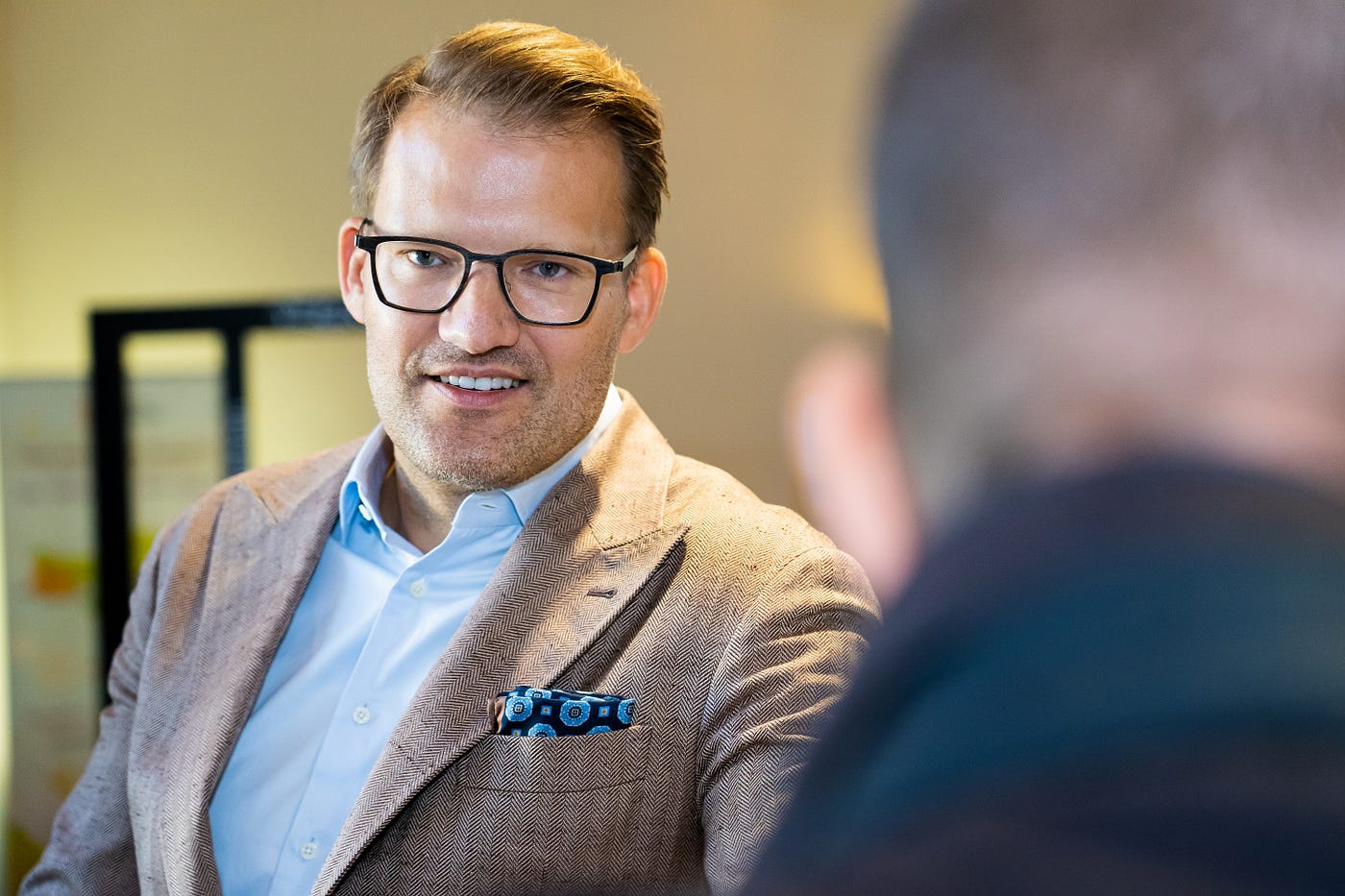
I had the pleasure of interviewing Darren Roos. Darren is the CEO of the software firm IFS, which creates and manages component-based software solutions for enterprise resource planning (ERP), enterprise asset management and field service management initiatives. The native South African joined IFS from SAP, where he led the company’s cloud ERP business. In his current role, Darren has an opportunity to lead the strategy for a company that, by all accounts, is strong, growing and well respected by a cadre of loyal customers. IFS is a fast-moving organization that expects a lot from its executive team. Still, Darren has ways to regroup, reenergize and slow down. It’s this ability to focus his energy on what truly matters that has made him a success.
Thank you so much for joining us! Can you tell us the “backstory” about what brought you to this specific career path?
I always knew that business management was where I wanted to be. I’ve been fortunate enough to move through the ranks of some amazing companies. When the opportunity with IFS came up, I knew the organization matched my values and vision. The feedback I receive on a frequent basis from my employees is that this company has been hungry for new leadership to take them along a growth path. I feel so fortunate to be that person.
According to a 2006 Pew Research Report, 26% of women and 21% of men feel that they are “always rushed”. Has it always been this way? Can you give a few reasons regarding what you think causes this prevalent feeling of being rushed?
Most cultures have this notion that being busy means that you are adding value. We have come to expect that there is always a new project or activity waiting for us, and that if we slow down, we’ll either lose the opportunity or we’ll be perceived as less valuable. So, to get everything done, we rush through it all. Yet the burnout rate is so high when you move at a very fast, erratic pace. It’s just unsustainable.
Based on your experience can you explain why being rushed can harm our productivity, health, and happiness?
When we’re rushed, we can’t focus on the task at hand because we’re always thinking about the next thing we have coming down the line. This distraction means that we’re never really giving any one task our full attention. This causes subpar work, guilt, strained relationships with others and any number of other challenges. Early in my career, I was extremely ambitious. I knew I had to work harder than others to move up to the places I wanted to be. But I also knew that I had to be focused on my goals and not rush. That meant I had to give some things up. In fact, I sacrificed all contact with my family and friends and committed to the task at hand 100 percent. Only by removing some things could I slow down and focus on others.
On the flip side, can you give examples of how we can do more, and how our lives would improve if we could slow down?
I have three terrific kids and an incredibly supportive wife who is also a successful executive, so I must make it a priority to balance work and personal time. Everyone has a busy schedule in our household, so planning is essential. We need to be able to juggle multiple tasks in any given day while still staying connected to those who mean the most to us.
Still, after long weeks of travel or intense work hours of juggling global relationships and business deals, I try to switch off for a few days, usually by taking a short family trip. This really helps me recharge. Those few days away make me so much more productive when I’m back in the saddle, leading my terrific team at IFS.
We live in a world with deadlines and incessant demands for our time and attention. That inevitably makes us feel rushed. Can you share with our readers 6 strategies that you use to “slow down to do more”? Can you please give a story or example for each?
1. Family time: Being completely immersed in my kids’ lives allows me to easily switch off the business mindset and focus on them. Make family a priority and build important times and dates into your schedule just like you would with work meetings. Then make those times with family non-negotiable so you’re not rushing through family experiences.
2. Reading: I read a wide breadth of material which helps me gain perspective. This is easy when you spend a lot of time on airplanes. But I like asking others what they’re reading too.
3. Watching TV: The brain is like a computer that needs its junk deleted and files emptied occasionally. When I watch TV or movies I try to focus on subject matter that is entertaining — something that lets me disconnect from reality and just enjoy the moment.
4. Short vacations: A beautiful, relaxing backdrop is sometimes all it takes to reflect on all that you’ve accomplished. Trying to work in a two-week trip isn’t always possible, so we aim for short trips or weekends away to decompress quickly and focus 100 percent on family. We also don’t plan a full agenda — again, this allows you to slow down and focus on the moments.
5. Take a break from emails: I recommend that everyone make a deliberate decision to turn off your cell phone or stop responding to messages for short periods of time. It’s ok to do this and let others know that this is planned down time. It gives you the opportunity to reduce this distraction and focus on what’s in front of you.
6. Change your perspective: My role can bring extreme highs and lows, with one exciting challenge followed by the mundane. Learning to maintain a healthy perspective and be even-keeled is important.
Can you give examples of how people can integrate mindfulness into their everyday lives?
It’s easy to get absorbed in the hustle and bustle of work, but each person must find their own “reset” button. For my wife, it’s exercise; for others, it could be meditation. The activity itself isn’t important; it’s finding the one that works for you. Whatever activity you choose, strive to integrate this daily act of personal kindness in your life. What I mean by this is that taking the time to give back to yourself will allow you to be a better parent and a better employee, and most importantly, a productive member of society.
Can you please give us your favorite “Life Lesson Quote”? Can you share how that was relevant to you in your life?
I like to say that “there is no right way to do the wrong thing or wrong way to do the right thing” and I experience this every day of my life. When you slow down, you have time to truly look at a situation and ask yourself what’s the best, right way to do this?
You are a person of great influence. If you could inspire a movement that would bring the most amount of good to the most amount of people, what would that be? You never know what your idea can trigger.
I’m passionate about giving back to my company and to my community. At IFS, we are fortunate to have a significant portion of our workforce based out of Sri Lanka. It’s a country that has historic relations with IFS and we work hard to find ways to give back and be part of the community there.
The saying “you reap what you sow” really applies in this case. We have extensive mentorship and scholarship programs to encourage Sri Lankan youth to pursue careers in IT within the country. We intentionally target children from underprivileged backgrounds because we believe education is a universal right. Despite our busy lives, we should all remember to slow down and think about the greater good we want to create for society. IFS is committed to this mission.
How can our readers follow you on social media?
You can find me on Twitter: @darrenroos and LinkedIn: https://www.linkedin.com/in/roosdarren/
Thank you for all of these great insights!
AM
Written by
Authority Magazine Editorial Staff
Editorial Desk · Authority MagazineThe Authority Magazine Editorial Desk produces, verifies, and edits long-form primary-source interviews with executives, innovators, clinicians, creators, and social impact leaders across Business, Tech, Pop Culture, Wellness, and Social Impact.

Published inAuthority MagazineTop Lessons, Top Authorities · 42K Followers
Exclusive, curated interviews with the leaders and changemakers shaping tomorrow. Leadership lessons, industry deep dives, and executive profiles.