I often tell my team that we’re not just processing real estate transactions. Behind every file is a family trying to hold its life together.
As a part of this series, we had the pleasure to interview Cristina Gaspar.
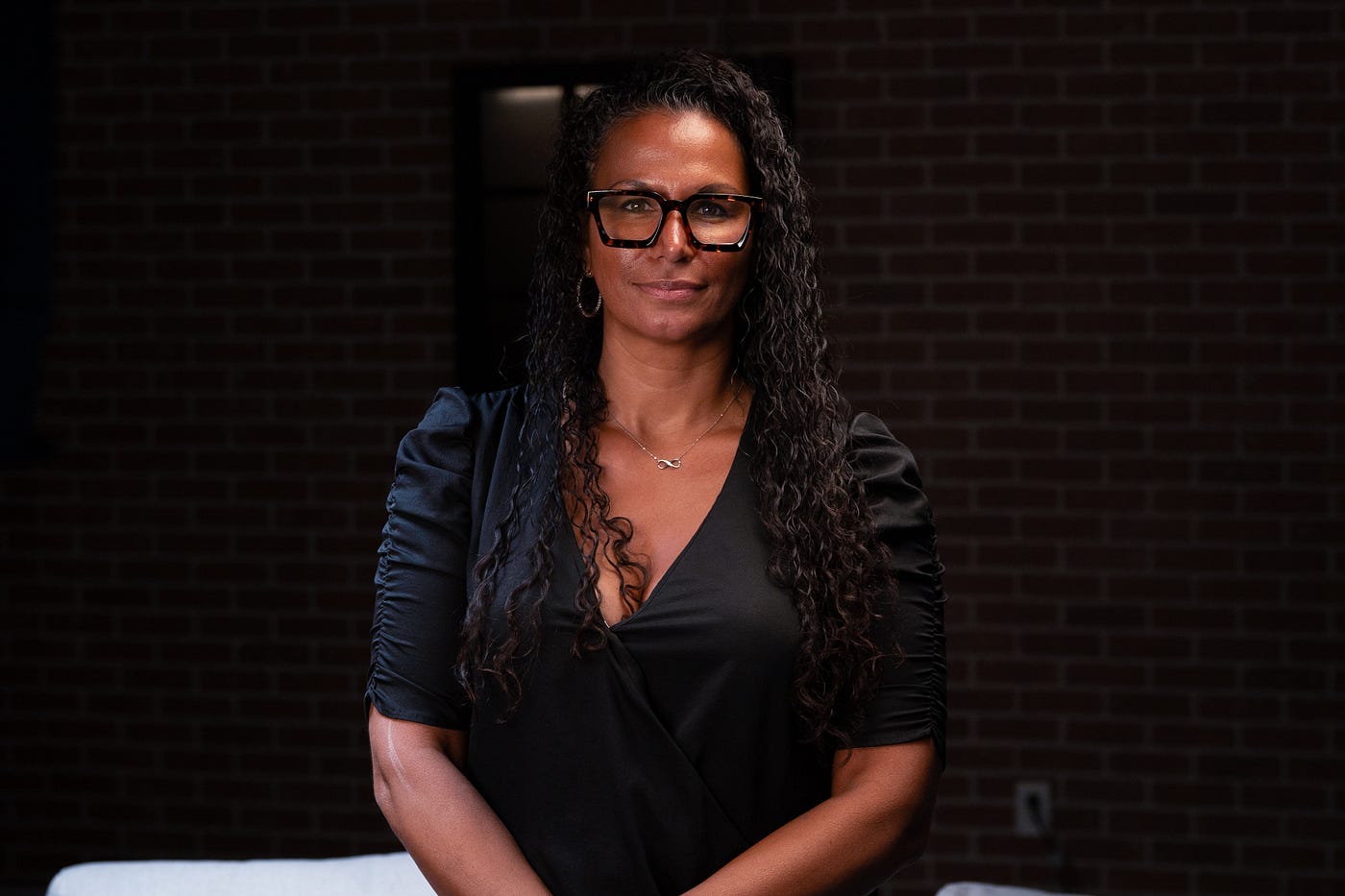
Cristina Gaspar is the President of Mr. Short Sale and a nationally respected short-sale authority focused on homeowner protection, qualification, documentation accuracy, compliance, and execution. Her work helps distressed homeowners avoid preventable foreclosures by ensuring the short-sale process is handled with precision, compassion, and urgency. Gaspar’s mission is to help families move forward with dignity, clarity, and a real plan before foreclosure becomes the default outcome.
Thank you so much for joining us in this interview series! Can you tell us the “backstory” about what brought you to the Real Estate industry?
My career in real estate actually started out on the traditional side as a licensed agent. But just one year in, I fell completely in love with the distressed space. I was selling distressed properties for investor clients and saw firsthand how much energy and opportunity there was in that side of the industry, which inspired me to team up with my sisters to start flipping houses together while I continued working with clients.
A few years into my career, I became an independent broker focusing exclusively on the distressed sector. Around that time, my best client, who is now my business partner, JD Summa, and I started discussing the idea of opening a boutique brokerage dedicated to sourcing distressed deals. We partnered up and launched X-Cap Realty, which grew to 40 agents fairly quickly and provided an educational platform for Realtors looking to invest in their own properties.
Processing short sales was a major operational part of that work. We quickly realized we were running an exceptionally tight, effective process, so much so that outside brokers began calling us to negotiate their short sales for them. That’s when JD and I saw a massive, scalable opportunity to help families and individuals in distress nationwide.
That vision ultimately led us to transition our brokerage over to eXp Realty and launch Mr. Short Sale. Looking back, my background in education and the grind of building these systems from the ground up completely shaped how we approach this work today. When families are facing the terrifying reality of foreclosure, having the right information, aggressive advocacy, and a structured process can completely change the direction of their lives.
Can you share with our readers the most interesting or amusing story that occurred to you in your career so far? Can you share the lesson or take away you took out of that story?
One of the most memorable moments in my career happened when a local homeowner called our office in tears. Her house was scheduled to go to a foreclosure auction the very next week, and she was completely overwhelmed. Several people had told her that her only option was to do a short sale, and she was terrified she was going to lose everything.
The moment I sat down and actually audited her file, I realized something shocking: she had full equity in her property. She didn’t need a short sale at all, and she certainly didn’t need to lose her home on the courthouse steps. Because she was getting bad advice from people who didn’t truly understand loss mitigation or how to properly evaluate a distressed file, she was days away from a financially devastating outcome.
We moved immediately. We stepped in, stopped the clock, and navigated a traditional sale for her home instead. Instead of walking away with nothing or carrying the weight of a foreclosure, she walked away from the closing table with $150,000 of her own hard-earned equity in her pocket. She cried tears of relief and joy, and honestly, it was one of the most rewarding days of my career.
That experience reinforced why education and proper due diligence are non-negotiable in this industry. Just because a homeowner is in pre-foreclosure doesn’t automatically mean they are underwater or that a short sale is the right move. Too many people, even licensed professionals, jump to conclusions without looking at the actual numbers. When a family is in crisis, bad advice can cost them their entire financial future. Taking the time to truly analyze a file and give people accurate, honest options doesn’t just save a house, it changes lives.
Are you working on any exciting new projects now? How do you think that will help people?
Yes. We’re working on several exciting national initiatives at Mr. Short Sale, many of which focus on a problem that genuinely concerns me: how little the average American understands about foreclosure and the options that may be available to them.
Mr. Short Sale already operates nationally, providing specialized short-sale services to homeowners and Realtors in all 50 states. We’ve built the infrastructure and expertise to help people across the country. Now one of our biggest priorities is making sure more Americans understand that these options exist.
When people receive a foreclosure notice, many assume the outcome has already been decided. They think they’ve reached the end of the road. But that isn’t always true.
Some homeowners may qualify for a short sale. Depending on their circumstances and lender approval, they may be able to avoid foreclosure, potentially receive relocation assistance, or have remaining mortgage debt forgiven.
Those are significant differences, and it’s heartbreaking to think about someone enduring months of stress without ever knowing they had another option.
We’re also developing FacingForeclosure.org, an educational initiative specifically aimed at protecting homeowners from foreclosure-related scams.
People facing financial distress are incredibly vulnerable. They’re frightened, overwhelmed, and sometimes desperate for someone to tell them everything will be okay. Unfortunately, that makes them attractive targets for people who are willing to exploit their situation.
We want to help homeowners recognize warning signs, avoid misleading promises, and understand how to protect themselves.
I can’t tell you how frustrating it is when someone has already been through a financial crisis and then discovers they’ve been taken advantage of by someone claiming they could help.
At Mr. Short Sale, our consultations are free and confidential. Homeowners can speak with us without any cost or obligation.
The goal is simple. I want people to have reliable information before they make decisions that could affect their families for years.
What do you think makes your company stand out? Can you share a story?
I think what makes Mr. Short Sale different is that we’ve built a company around helping people through one of the most difficult experiences of their lives. And I don’t think you can fully appreciate what that means until you’ve actually spoken to some of these families.
I remember talking to a woman who was trying so hard not to cry because her children were in the next room. She was terrified of losing their home, but she was also trying to protect them from knowing how bad things had gotten. She was carrying all of that fear by herself.
I’ve had conversations with husbands who felt they’d failed their families, and people who were so embarrassed about their financial circumstances that they hadn’t even told their closest friends what was happening.
Those conversations stay with you.
What really gets to me is that some of these people have spent months living with that fear without knowing they might have another option. Imagine going through all of that, only to discover that you may have been able to avoid foreclosure if someone had given you the right information sooner.
That’s why we built Mr. Short Sale the way we did.
We have specialized professionals, technology, and infrastructure to handle complicated short sales in all 50 states. We work alongside Realtors, handle the lender requirements and approval process, and neither the homeowner nor the Realtor pays us. Our fee is paid by the buyer.
We wanted to remove as many obstacles as possible between a struggling homeowner and the specialized help they need.
I often tell my team that we’re not just processing real estate transactions. Behind every file is a family trying to hold its life together. We can’t save everyone from foreclosure, but we can make sure the people who come to us understand their options and have experienced professionals working toward the best possible outcome.
I’ve never really thought of this as just a real estate business. To me, it’s a rescue mission.
None of us are able to achieve success without some help along the way. Is there a particular person who you are grateful towards who helped get you to where you are? Can you share a story about that?
I have been blessed to be surrounded by so many positive, driven people throughout my career, and there are honestly several individuals I am deeply grateful for.
However, partnering with my business partner, JD Summa, completely changed my trajectory. JD has built and scaled multiple businesses to major success, and the amount I have learned from him on a strategic and operational level is unbelievable. He is hands down one of the smartest people I know, and what makes him truly rare in business is that he genuinely wants the best for everyone around him.
When we first transitioned from a broker-client relationship into building X-Cap Realty and eventually Mr. Short Sale, I knew the real estate and loss mitigation side inside and out, but JD taught me how to think like an enterprise builder. He has an incredible ability to see the bigger picture, motivate a room, and bring out the absolute best in people. He has certainly brought out the best in me, pushing me to step into larger leadership roles and scale our vision nationwide. I know for a fact that I wouldn’t be anywhere close to the businesswoman I am today without his partnership and mentorship.
Ok. Thank you for all that. Let’s now jump to the main core of our interview. The Real Estate industry, like the Veterinarian, Nursing and Public Relations fields, is a women dominated industry. Yet despite this, less than 20 percent of senior positions in Real Estate companies are held by women. In your opinion or experience, what do you think is the cause of this imbalance?
I think there’s a big difference between having women working in an industry and having women making the decisions that shape that industry.
While the traditional real estate space is heavily dominated by women, the distressed side of real estate (investing, pre-foreclosures, loss mitigation, and default servicing) is actually very male-dominated. That’s a huge part of the leadership gap. Real estate has an extraordinary number of talented, capable women, and they can absolutely dominate the distressed and executive side of this industry if they are simply given more exposure to it.
Being a successful residential Realtor and stepping into high-level executive or distressed-asset leadership require different exposure and skill sets. Running an organization or navigating complex distressed portfolios requires heavy operational and financial expertise, including managing teams, evaluating risk, negotiating directly with major institutions, and taking responsibility when things get complicated. Women are more than capable of excelling at all of those things; they just need greater visibility into these niches and the opportunities to step into those rooms.
I also think more women should recognize their own potential to build and lead companies, not just work within them. I certainly didn’t begin my career thinking I’d one day be leading a national short-sale company. I started out as a traditional Realtor, fell in love with the distressed space just one year in, and built from there. Sometimes the biggest opportunities for leadership are in the corners of the industry people haven’t been exposed to yet.
What 3 things can be done by a)individuals b)companies and/or c) society to support greater gender balance going forward?
First, on an individual level, women just need to go after it. There are so many talented women in real estate who have the intelligence and work ethic to build massive companies, dominate the distressed space, and step into executive ownership. They just need to claim those seats. Are there possibly a few more hurdles to hop along the way? Sure, but that’s life. Every entrepreneur faces obstacles, and the women who win are the ones who refuse to wait for permission, step outside their comfort zones, and pursue ownership with relentless focus.
Second, companies need to give everyone equal exposure to the operational, financial, and specialized sides of the business. I don’t believe in special treatment; success should always be earned on merit. What companies should do is open the doors wider for their entire team by providing mentorship, training in high-level niches like distressed assets and loss mitigation, and real decision-making responsibility across the board. When everyone is given a fair shot at the table, the hardest workers and best leaders naturally rise to the top.
Third, as a society and an industry, we need to stop treating compassion and strong leadership as though they’re incompatible. In my business, I have to make tough, high-stakes decisions every single day. I manage complex negotiations, strict deadlines, and a team of professionals operating in a very demanding environment, while also caring deeply about the families we’re helping. Being empathetic and people-focused doesn’t make you soft as a leader; it gives you the conviction to fight harder and build stronger organizations.
In your opinion, what are the biggest challenges faced by women executives that aren’t typically faced by their male counterparts?
I think women sometimes have to establish their authority in ways that men simply don’t.
You can be knowledgeable, experienced, and fully qualified to make a decision, but there can still be an expectation that you’ll explain yourself more or approach a difficult conversation differently.
There’s also an interesting contradiction. Women are often valued for being empathetic and collaborative, but when they’re decisive and direct, those same qualities can sometimes be interpreted differently.
I don’t think women should feel they have to change their personalities to fit someone else’s definition of what a leader is supposed to look like.
I can be compassionate with a homeowner who’s frightened about losing their house and, five minutes later, make a difficult operational decision that affects my company.
Those are both parts of my job.
Leadership isn’t about being tough for the sake of appearing tough. It’s about having good judgment, taking responsibility, and understanding the impact of your decisions.
Can you share 3 things that most excite you about the Real Estate industry?
The first is the opportunity to genuinely change someone’s life.
Real estate is personal. For many Americans, their home is their largest financial asset. It’s also where they raise their children, celebrate holidays, and build their memories. When that stability is threatened, the consequences go far beyond money.
The second is what technology and automation are making possible. Short sales involve enormous amounts of documentation, lender requirements, communication, and deadlines. When you have the right systems and experienced people managing them, you can handle complicated transactions more efficiently and consistently.
For a national company like ours, that’s incredibly important. Technology allows us to handle the volume, but it’s the people and their expertise that ultimately make the difference.
The third is the opportunity for better education throughout the industry.
Almost everyone has heard of foreclosure. Far fewer people understand short sales, deficiency waivers, or the possibility of relocation assistance in certain circumstances.
I think we have an enormous opportunity to improve how we educate both homeowners and real estate professionals.
You can’t make an informed decision about an option you don’t know exists.
Can you share 3 things that most concern you about the industry? If you had the ability to implement 3 ways to reform or improve the industry, what would you suggest?
My biggest concern is misinformation, particularly when it affects people who are already financially vulnerable.
I can’t tell you how frustrating it is when someone receives incorrect advice about something that could affect their financial future for years.
First, I would make foreclosure prevention and distressed-property education more accessible to homeowners. People learn about down payments, mortgages, and credit scores, but very few understand what happens when they can no longer afford their home.
Second, I would improve education for real estate professionals. Realtors don’t have to be experts in every specialized transaction, but they should understand enough to recognize when a homeowner needs additional assistance.
Third, I’d like to see greater transparency and consistency in the short-sale process itself. Every lender has its own requirements, and mistakes or incomplete documentation can create serious delays.
Time is particularly important in distressed real estate.
One thing I wish more people understood is that foreclosure isn’t just a single event. It’s a process. And the opportunities available to a homeowner can change as that process moves forward.
People sometimes wait because they’re scared or embarrassed. They hope things will somehow improve.
I understand that. But the foreclosure timeline doesn’t stop while someone works through those emotions.
That’s why getting accurate information early is so important.
And I would also love to see stronger consumer protections against foreclosure-related scams. Taking advantage of someone who’s already at risk of losing their home is particularly disturbing to me. It’s one of the reasons we’re developing FacingForeclosure.org.
What advice would you give to other leaders to help their team to thrive?
Building a strong company culture is the single most important thing for us. When you get the culture right, everything else — accountability, execution, and high performance — falls into place.
First, make sure your team understands why their work matters. At Mr. Short Sale, we are dealing with complicated transactions, strict lender requirements, tough negotiations, and high-stakes deadlines every single day. It is fast-paced, demanding work, and it’s easy to get caught up in the daily mechanics. I constantly remind my team that behind every file is a real family. Whether someone is auditing documents, dialing on the sales floor, or negotiating with a bank, the work they are doing directly changes someone’s financial future. When people feel connected to a bigger mission, they naturally take ownership.
Second, you have to set clear standards and give people the tools, training, and systems to win. You can’t expect a team to perform at a high level if the processes aren’t clear or if they don’t have the resources to execute. We also listen closely to our people. They are on the front lines every day and often spot operational improvements that leadership might miss.
Finally, good leadership means recognizing that your employees are human beings, too. In a business like ours, our team is talking to homeowners who are frightened, stressed, or overwhelmed, and that emotional weight is real. Building a winning culture means creating an energetic, supportive environment where people are pushed to be their best, held accountable to high standards, and know their leadership genuinely has their backs.
Ok, here is the main question of our interview. You are a “Real Estate Insider”. If you had to advise someone about 5 non intuitive things one should know to succeed in the Real Estate industry, what would you say? Can you please give a story or an example for each?
1. The most valuable transaction isn’t always the easiest one.
Everyone loves a straightforward real estate transaction. But sometimes the greatest opportunity to help someone, develop expertise, and distinguish yourself professionally comes from situations that other people avoid.
Short sales are a perfect example.
They’re complicated. There can be multiple parties involved, extensive documentation, lender requirements, and serious time constraints.
A lot of Realtors simply don’t want to deal with them.
But imagine a homeowner who believes foreclosure is inevitable. A Realtor who understands that a short sale might be an option and knows when to involve a specialist could make an enormous difference.
Sometimes the difficult transactions are the ones where your expertise matters most.
2. A homeowner’s biggest problem may be something you can’t see.
When you’re looking at a property, it’s easy to focus on its value, location, condition, and the numbers.
But those numbers don’t tell you everything about the person who owns it.
A beautiful home in a desirable neighborhood doesn’t mean the family living there is financially secure.
Someone may have lost a job, developed a serious medical condition, or gone through a divorce. They may be trying desperately to keep everything together while nobody around them has any idea they’re struggling.
I’ve encountered homeowners who were so embarrassed about their financial circumstances that they hadn’t even told the people closest to them.
In distressed real estate, understanding the human circumstances behind a transaction can be just as important as understanding the property itself.
3. Your client may not be making decisions based on logic.
I think this is something that surprises people.
When someone is frightened, overwhelmed, or embarrassed, they don’t necessarily respond the way you expect them to.
They may avoid phone calls. They may stop opening their mail. They may convince themselves that if they wait another month, things will improve.
From the outside, that behavior might seem irrational.
But when you understand how frightened someone is about losing their home, it makes a lot more sense.
I’ve seen people spend months imagining the worst possible outcomes because they’re too afraid to ask what might actually happen.
The mistake is assuming that because you’ve explained something, the person is emotionally ready to act on it.
You have to understand the person you’re dealing with, not just the transaction.
4. Knowing when to bring in a specialist makes you a better professional.
Real estate is a broad industry, and nobody can be an expert in everything.
If a client has a complicated legal issue, you refer them to an attorney. If they have a complicated tax issue, you refer them to an accountant.
Distressed real estate deserves the same level of respect.
Short sales require specialized knowledge of lender requirements, approvals, documentation, and timelines. It’s not something you necessarily learn by handling conventional listings.
I think about the homeowners who come to us after receiving conflicting information about their options. Some have been told they need to be months behind on their mortgage before they can even discuss a short sale. That isn’t necessarily true. Depending on the lender and circumstances, homeowners facing imminent default may also be eligible.
Imagine the consequences of someone deliberately falling behind on their mortgage because they were given incorrect information.
Recognizing when a situation requires a specialist isn’t a weakness. It’s good judgment.
And in my experience, people remember the professionals who helped them find the right answers.
5. Sometimes the best thing you can give someone isn’t a solution. It’s clarity.
One of the most powerful things I’ve learned in this business is how much uncertainty affects people.
When homeowners contact us, they often have questions that have been keeping them awake at night.
How much time do I have? Where will my family live? Will I ever recover financially? What happens next?
They’re imagining every possible worst-case scenario because they don’t know what to expect.
I remember conversations where someone was so overwhelmed at the beginning that they could barely explain what was happening. But once we started going through their circumstances and discussing the options that might be available, you could hear their tone begin to change.
We can’t promise that every foreclosure can be prevented. Nobody can.
But we can help people understand their circumstances and explore the options that may be available.
And sometimes that alone changes the way someone feels about the situation.
I’ve learned that being genuinely useful to people creates the kind of trust that no sales pitch can manufacture.
Because of your position, you are a person of enormous influence. If you could inspire a movement that would bring the most amount of good to the greatest amount of people, what would that be? You never know what your idea can trigger. :-)
I would want to change the way Americans think about foreclosure.
Foreclosure is one of the most financially devastating experiences a homeowner can go through. But what’s particularly upsetting to me is that some families experience that devastation without ever understanding what alternatives might have been available.
I’ve spoken with people who were embarrassed to ask for help. People who were afraid to tell their families what was happening. People who were doing everything they could to protect their children while quietly falling apart themselves.
And I think we need to stop treating financial hardship as though it’s always the result of irresponsibility.
Life happens. People lose jobs. They get sick. They get divorced. They lose someone they love.
These are ordinary people going through extraordinary circumstances.
I’d like to see foreclosure prevention education become part of financial literacy in America.
We teach people how to buy homes. We should also teach them what to do when they can no longer afford them.
I also want to see more done to protect financially vulnerable homeowners from scams. When someone is facing the possibility of losing their home, they shouldn’t have to worry that the person offering to help them may actually be trying to take advantage of them.
That’s one of the reasons we’re developing FacingForeclosure.org.
I don’t believe we can prevent every foreclosure. But I absolutely believe there are families who could avoid some of the financial devastation if they had the right information at the right time.
Our mission is to help.
How can our readers follow you online?
Readers can learn more about our work at MrShortSale.com or call us at 914–504–4074
Thank you for your time, and your excellent insights!