In most other industries, people don’t die if the disruption fails, whereas healthcare is much more personal.
Business
Clint Phillips of Medici on Preventative Care, Startup Reality Checks, and the Nuance of Healthcare Disruption
The founder and CEO of Medici shares how his personal journey shaped a preventative healthcare model and why gradual habits outperform radical lifestyle overhauls.
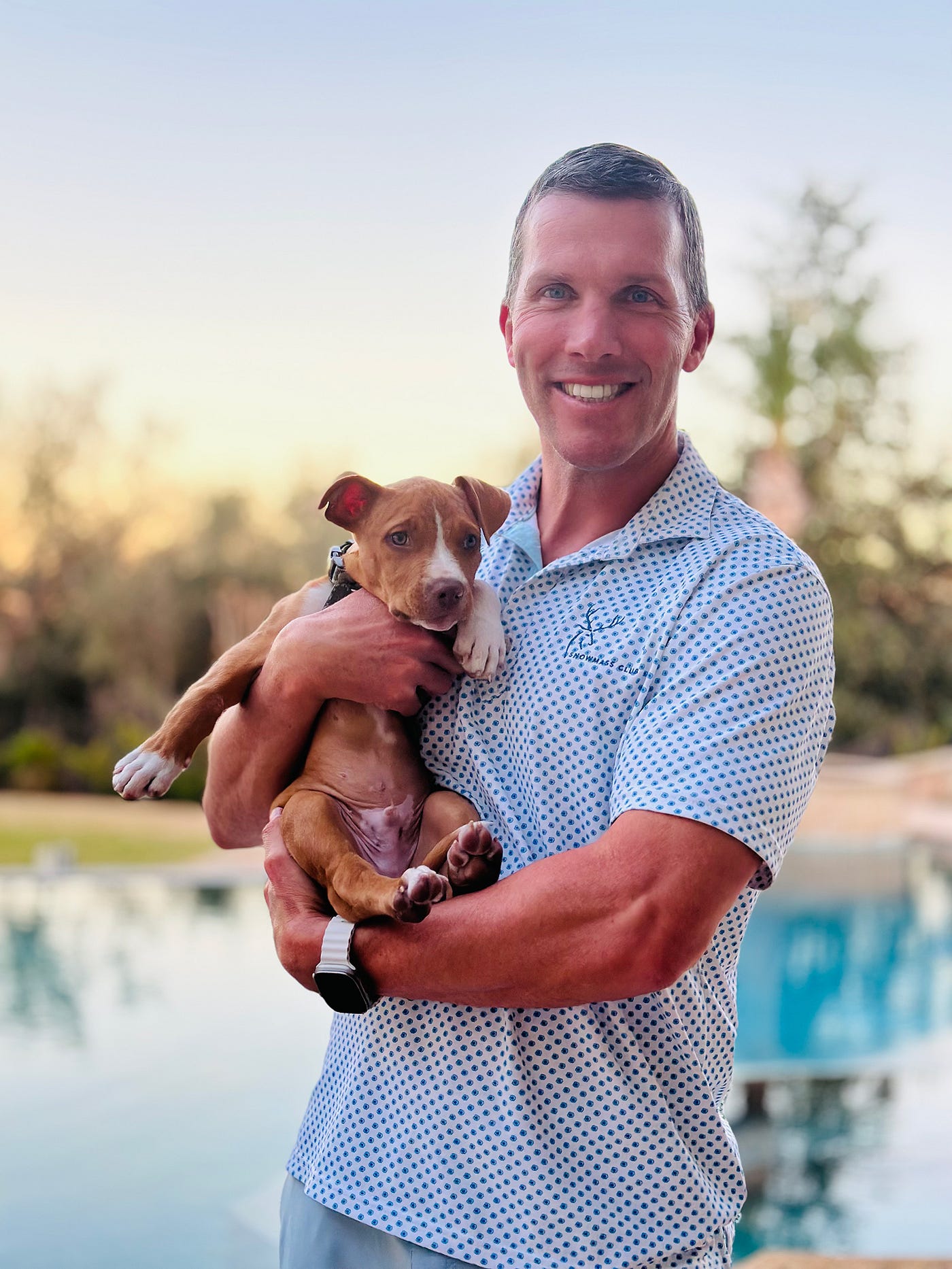
As a part of our series about business leaders who are shaking things up in their industry, I had the pleasure of interviewing Clint Phillips.
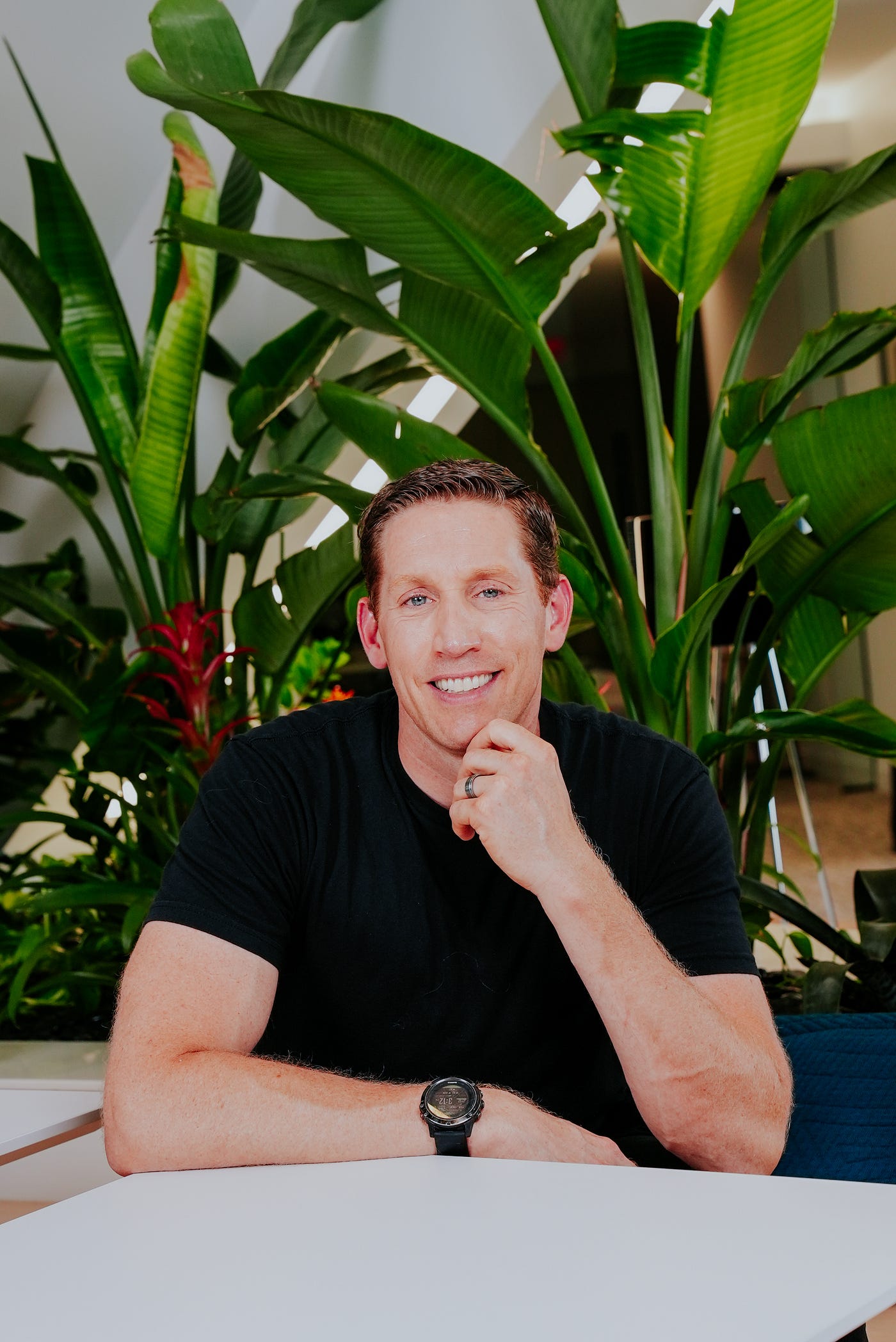
Clint Phillips is founder and CEO of Medici, a virtual healthcare system that gives enrolled stakeholders and dependents access to a personal medical team made up of exceptional doctors, nurses and specialists. Clint has a deep longing to see a healthier world after having watched family members have their lives cut short due to limited resources and a lack of quality care options. Medici exists to change lives, create a healthier world and make its members happier, healthier and wealthier.
Thank you so much for doing this with us! Before we dig in, our readers would like to get to know you a bit more. Can you tell us a bit about your “backstory”? What led you to this particular career path?
After earning my doctorate in chiropractic care, I opened a practice in Aspen, where my friendship with Starwood CEO Barry Sternlicht changed my path. In 2005, I founded Aspen Back & Body within Barry’s St. Regis Hotel in Aspen, Colorado. There, I harnessed the power of holistic healthcare to address back pain without surgery, attracting many Fortune 500 CEOs to my care. I saved 1896 patients going for surgery out of 1900.
A defining moment in my life occurred when my daughter, Gabi, experienced a severe stroke at birth. This heartbreaking event highlighted the critical importance of timely medical intervention, motivating me to establish my first company 2nd.MD which was later acquired for $460 million. Our service connects individuals with leading medical specialists for second opinions. Through this journey, I reflected on the consequences of delayed medical assistance, which can often result in costly surgeries and unnecessary medications for patients.
Fast forward to now, I have been driven by the desire to revolutionize healthcare, and founded Medici to make expert medical advice accessible from the start, ensuring patients receive timely and appropriate care. This journey has been about transforming healthcare to keep people healthy and prevent severe conditions when possible.
Can you tell our readers what it is about the work you’re doing that’s disruptive?
At Medici, we believe in being proactive about health, and stopping problems before they start. While traditional healthcare tends to focus on treating diseases, we’re different. We prioritize preventing them. By shifting the focus to prevention, we aim to lessen the impact of chronic diseases and improve the lives of many. In fact, our goal is to create the healthiest community on earth!
Can you share a story about the funniest mistake you made when you were first starting? Can you tell us what lesson you learned from that?
When I first started my entrepreneurial journey, I was brimming with optimism and perhaps a touch of naivety. One of the funniest mistakes I made was hiring a head marketer from eBay. I was thrilled to bring in someone with such an impressive background, thinking this was a game-changer for our startup. During his first week, it became glaringly apparent that while he had a stellar track record at a large public company, he struggled with the basics at a startup level.
This experience taught me a crucial lesson: Success at a startup entry-level job requires a completely different skill set than success at a big public company. The agility and hands-on approach needed in a startup environment are worlds apart from the resources and support systems available in larger corporations.
Another amusing yet humbling experience was when I spent hours practicing a pitch to a doctor, thinking my healthcare innovation story would be a hit. After jumping through hoops to get his phone number, I finally made the call, only for him to immediately respond, “Don’t ever call my cell phone again.” That was a real eye-opener.
From this, I learned not to assume that others would be as excited or even care about my cause as much as I did. People have their priorities, and just because something is a passion project for me doesn’t mean it will resonate the same way with others. It’s essential to respect their time and interests, and to find more appropriate channels to engage them.
We all need a little help along the journey. Who have been some of your mentors? Can you share a story about how they made an impact?
Barry Sternlicht, CEO of Starwood Capital Group was a mentor who profoundly influenced me by offering guidance with a remarkable level of frankness, which I have always appreciated. Barry, like many successful people I’ve met, is a straight shooter. His honest feedback was sometimes hard to hear, but it was exactly what I needed to grow. From Barry, I learned the importance of not taking things too personally and developed thick skin. One crucial lesson from Barry was understanding your audience when giving frank advice — knowing how to tailor your message for maximum impact.
Another mentor who played a pivotal role in my development was William Budinger, founder of Rodel. He demonstrated the power of asking the right questions to uncover the root causes of problems. Through William, I learned that asking insightful questions can lead to deeper understanding and more effective solutions. This approach has been invaluable in my professional life, particularly in the healthcare sector, where identifying core issues is crucial for innovation and success.
In today’s parlance, being disruptive is usually a positive adjective. But is disrupting always good?
The speed of disruption in healthcare is very daunting for people — the idea that you may not be able to access your doctor, or you may not be able to access a certain medication that you’ve been on is unsettling. We must be mindful of protecting care at the speed of disruption. If banking laws change, or regulation of energy changes, most people won’t really care. But boy, when something personal changes, like your health or access to your healthcare, those disruptions can cause massive anxiety, even leading to death if done poorly. In most other industries, people don’t die if the disruption fails, whereas healthcare is much more personal.
Disruption in health and wellness often refers to dramatic changes in diet, exercise, or lifestyle. While these might work for a few, the majority of people struggle with such abrupt shifts. For instance, most people fail on a disruptive diet; they might initially embrace a drastic new eating plan but sustaining it long-term proves challenging.
In contrast, micro changes — small, incremental adjustments — tend to be more effective. Gradual modifications in diet or exercise can seamlessly integrate into one’s daily routine, leading to sustainable and long-term health benefits. These small, digestible changes are less intimidating and more manageable, fostering a sense of accomplishment and progress without the overwhelming pressure of drastic transformation.
While disruptive actions may not always yield the best results in changing health behaviors, disruptive thinking remains crucial. To understand and address the complex forces affecting American health, we need to think disruptively. This involves questioning the status quo, challenging entrenched systems, and recognizing the systemic issues that contribute to poor health outcomes.
When do we say the converse, that a system or structure has ‘withstood the test of time’? Can you articulate to our readers when disrupting an industry is positive, and when disrupting an industry is ‘not so positive’? Can you share some examples of what you mean?
The shift from reactive to preventative care represents a positive disruption in how we approach health and wellness. We’ve developed an advanced preventative healthcare version of ChatGPT that guides individuals on proactive health measures. Unlike the standard ChatGPT, which might suggest medications or surgeries, our version recommends supplements, exercise routines, and improved lifestyle habits to prevent diseases. Unlike traditional healthcare systems, Medici enables same-day consultations with specialists and allows doctors to communicate with one another, ensuring timely and comprehensive care. This connected approach is a major shift away from the usual poor communication in healthcare systems today.
The introduction of Health Score technology, which assesses health risks through a simple facial scan, is revolutionary. In just 30 seconds, this technology provides data on blood pressure, heart attack risk, and stroke risk, sending the information directly to doctors for immediate consultation. This proactive approach empowers both patients and healthcare providers to manage health more effectively.
Can you please share 5 ideas one needs to shake up their industry?
1 . Harnessing Passion for Purpose: The cornerstone of revolutionizing any industry begins with a profound and compelling purpose. A burning desire to solve a specific problem acts as a powerful motivator. This inner motivation is key to handling the challenges and setbacks that will inevitably come up.
Your “why” should be the foundation of your mission, resonating with both your team and your audience.
2 . Engaging Industry Experts: Transformative change requires a thorough understanding of the current landscape. Collaborating with industry experts provides valuable insights into the existing system, its historical context, and the reasons behind its failures and setbacks. This knowledge is essential for identifying gaps and opportunities that others might miss.
3 . Crafting a Clear Vision: To disrupt the status quo, a visionary approach is essential. Developing a detailed and clear vision for an improved system helps align your efforts and inspires others to join your cause.
4 . Attracting Supporters: Successful industry disruption relies on building a coalition of believers. This group includes investors, employees, partners, and advocates who share your passion and commitment. Creating a network of supporters who believe in your vision provides the necessary resources and influence to drive change.
5 . Staying Ahead of Technological Trends: In a time of rapid technological progress, staying ahead of trends is vital for innovation. Having a thorough grasp of emerging technologies and their potential applications enables you to effectively leverage them for industry disruption.
Do you have a book, podcast, or talk that’s had a deep impact on your thinking? Can you share a story with us? Can you explain why it was so resonant with you?
One book that has had a profound impact on my thinking is “Zero to One” by Blake Masters and Peter Thiel. This book fundamentally reshaped my perspective on business and innovation. Before reading it, my focus was largely local and survival oriented. “Zero to One” challenged me to think on a much grander scale — how can I help a billion people? It taught me to reach across continents and consider the global impact of my actions, both in business and philanthropy. This shift in mindset was transformative, altering how I approach problems and opportunities in my startup.
Another significant influence is “The Patient Will See You Now” by Eric Topol. This book provides a visionary look at the future of medicine, emphasizing a patient-consumer model over the traditional hospital-centric approach. It has been invaluable in my work within the healthcare sector, helping me prioritize patient needs and understand the broader trends shaping the industry.
I also find immense value in “The Founders Podcast.” Listening to the stories of the greatest entrepreneurs offers deep insights into the common traits of successful people and strategies that drive success. This podcast has been like a masterclass in entrepreneurship, helping me understand the diverse pathways and the mindset required to achieve great things.
Lastly, the Bible has been foundational in my life, shaping my worldview and instilling in me a desire to leave the world a better place. It reminds me of my purpose and calling, motivating me to make a meaningful difference in everything I do.
Can you please give us your favorite “Life Lesson Quote”? Can you share how that was relevant to you in your life?
One of my favorite life lesson quotes is one I heard at a sermon once, and it’s stuck with me: “I can lose at work and win at home and still win.” This quote resonates deeply with me as a reminder that true success is not just about professional achievements but also about finding importance in nurturing family relationships and personal well-being.
“You only have one life. Work on something worth your life” has positively driven my career choices. Working in the healthcare sector, I’m passionate about making a tangible difference in people’s lives. This quote keeps me focused on the bigger picture and ensures that my efforts are directed towards something truly meaningful.
You are a person of great influence. If you could inspire a movement that would bring the most amount of good to the most amount of people, what would that be? You never know what your idea can trigger. :-)
If I could inspire a movement, I would do the following:
1. Engage Doctors in Community Fitness: Imagine a world where doctors not only prescribe exercise but also actively participate in it with their patients. By leading by example, healthcare professionals can foster a culture of health and wellness.
This initiative would:
- Strengthen doctor-patient relationships, creating a more supportive and motivational environment for patients to adopt healthier lifestyles.
- Encourage communities to come together, promoting social connections and reducing isolation.
- Provide firsthand evidence of the benefits of regular physical activity, making the concept of exercise more relatable and attainable.
2. Incentivize Healthy Living with Free Healthcare: To address the larger issue of healthcare access and preventable diseases, we could implement a system that offers free healthcare to individuals who maintain a healthy lifestyle.
Key components would include:
- Non-smokers and those who maintain a healthy weight would be eligible for comprehensive, free healthcare services.
- Regular health screenings and educational programs to help individuals understand and achieve their health goals, ensuring that the incentive is both motivating and achievable for all.
How can our readers follow you online?
Instagram: @mediciislife
This was very inspiring. Thank you so much for joining us!
AM
Written by
Authority Magazine Editorial Staff
Editorial Desk · Authority MagazineThe Authority Magazine Editorial Desk produces, verifies, and edits long-form primary-source interviews with executives, innovators, clinicians, creators, and social impact leaders across Business, Tech, Pop Culture, Wellness, and Social Impact.

Published inAuthority MagazineTop Lessons, Top Authorities · 42K Followers
Exclusive, curated interviews with the leaders and changemakers shaping tomorrow. Leadership lessons, industry deep dives, and executive profiles.