Along the way, I fell in love with a legal theory for another defense. The senior associate (a ten year man and a Harvard Law Review guy) hated it and told me to forget it. I snuck it into our papers anyway.
5 Things You Need to Know to Become a Great Author
INTERVIEW QUESTIONS.
Please download this doc here (or click File-download as) and write your answers to the questions below. We may schedule a follow-up call or skype to round things out
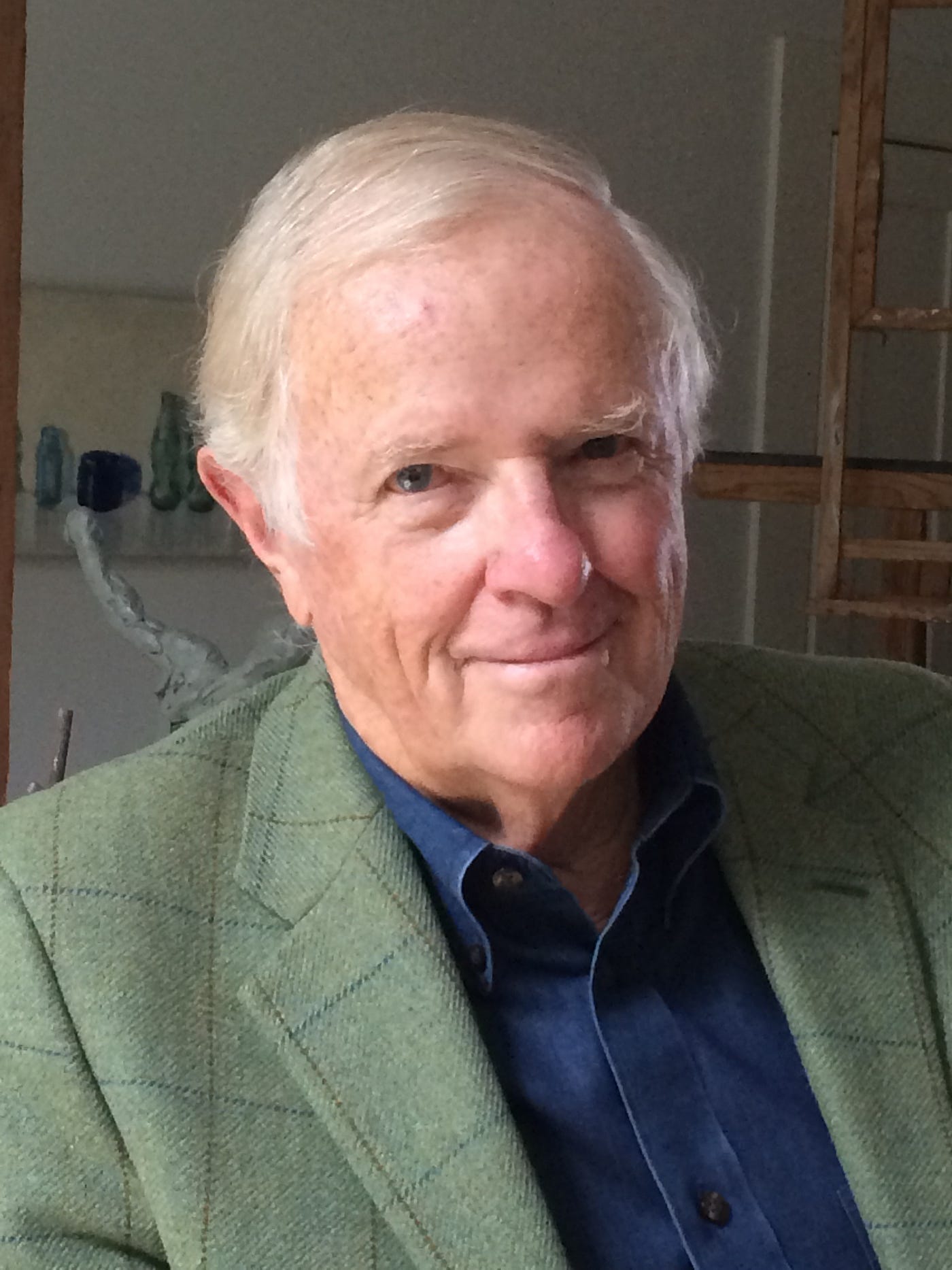
As part of my interview series on the five things you need to know to become a great author, I had the pleasure of interviewing Chris Crowley.
Chris Crowley is the bestselling author of Younger Next Year, the New York Times bestseller, with over two million copies sold in twenty-three languages. There are now six books in the non-fiction Younger series, including The Younger Next Year Back Book (2018), written with Aspen friend and healer Jeremy James. In addition, Chris’s work has appeared in various periodicals, including the New Yorker.
Thank you so much for joining us! Can you share a story about what brought you to this particular career path?
I was a litigation partner at a leading Wall Street law firm, Davis Polk & Wardwell. For twenty-five years, I led teams in the usual run of big cases for major companies. And he brought a pro bono suit against the City of New York—and successfully argued it in the Supreme Court—to compel the hiring and promotion of more African American and Hispanic police in the NYPD. I was born in Salem, Massachusetts, and grew up in Marblehead and Peabody. I graduated from Exeter, Harvard College, and the University of Virginia Law School. I spend my time in Lakeville, Connecticut and New York City and spend time in Aspen. I published the hit Younger Next Year series and now my first novel, the edgy and intellectual release of The Practical Navigator – a literary legal thriller with equal parts of epic good behavior and similar bad behavior. It’s an elegant legal mystery arising out of the murder of an alarming Greek billionaire on a fancy yacht club cruise to DownEast Maine.
Can you share the most interesting story that occurred to you in the course of your career?
When I was a young associate, I was the kid on a team in a big antitrust defense to a hostile take over. We had a puny case. Along the way, I fell in love with a legal theory for another defense. The senior associate (a ten year man and a Harvard Law Review guy) hated it and told me to forget it. I snuck it into our papers anyway. As a partner, I would surely have fired anyone who did that.
I was marched down to the senor partner’s office (a very good lawyer indeed) and my sins laid down. The partner looked over the offending section of the papers, said “Hmmm.” And left it in. Much later, that point was the only one on which two of three judges on the Third Circuit Court of Appeals agreed, in handing us the case. The ten year guy left and I became a partner.
What was the biggest challenge you faced in your journey to becoming an author? How did you overcome it? Can you share a story about that that other aspiring writers can learn from
? The first round was amazingly easy. I had the basic idea for what became Younger Next Year, a nonfiction book about behavioral change (tons of exercise) and the good life. I found a brilliant and charming young doctor and (over a year) talked him into doing the book with me. We lucked into a terrific agent and the book sold at once. Went on to be a NYTimes best seller with 2 million copies sold. Oh boy!
Can you share a story about the funniest mistake you made when you were first starting? Can you tell us what lesson you learned from that?
What was surprisingly hard was selling my debut novel and by far my favorite work, The Practical Navigator. I could not be prouder or happier with it … it is all that I had hoped and a fair amount more. And publishers couldn’t have cared less. They said the writing was terrific but that turned out not to matter a bit. The market for novels had gone to hell, and the market for novels by white guys about murder and a trial among the shameful rich … well, they weren’t interested. Blissfully, a close friend called one day, out of the blue, and said “We’re publishing the novel.” And he did. Happily, it begins to look as if all those other publishers may have been wrong.
What are some of the most interesting or exciting projects you are working on now?
There are a bunch of them and the hard part is making up my mind and starting on one. Happiest notion is a follow on novel, after Navigator. I loved writing that book and know another novel would be a joy. But my family and others are hard after me to do a memoir. And others push for a book about life in one’s 80s. That’s a subject I know quite a lot about. And it would be funny. Except toward the end.
Can you share the most interesting story that you shared in your book?
The funniest thing about The Practical Navigator is that it’s not often funny. Which is odd because my nonfiction books make people laugh quite a lot. And a piece I did in the New Yorker made a lot of others laugh. The Navigator … not so much. That’s funny.
What is the main empowering lesson you want your readers to take away after finishing your book?
The core theme in the book – and the most interesting to me – is the notion that run-away sexuality can give great pleasure. AND tear a hole in your life through which everything can slip away. Great theme and we all know a little about it.
Based on your experience, what are the “5 Things You Need to Know to Become a Great Author”? Please share a story or example for each. Five things to becoming a great author? Not so sure it’s time to be putting such a question to me but I”ll give it a little shot. Some stuff is innate, I’m afraid. You have to be able to tell a story, and that’s a gift, pure and simple. Same about being a good writer. You can learn some but if you’re serious, you better start out with some kind of natural gift. When I was in the fifth grade, I wrote stories that the teachers took me from room to room, to read aloud to other kids. When I went away to high school, I won the only writing prize freshman year. And so on. Then, even if you’re a bit of a natural, you have to work at it like crazy. I “practiced” writing during all those 25 years as a lawyer; it was what I was best at, as a professional. As a professional writer, I worked crazy hours … edited my own work endlessly and got some good advice from a couple of pros. The best lesson? Go deeper. Into character and motivation and soundness of them. Just go deeper. And then go deeper still. Great advice. Focus is a necessary gift. Maybe I learned that as a lawyer. I can disconnect and focus on my writing anywhere, and for as long as I have to. That helps.
After Younger came out, I gave a ton of paid speeches. It was a huge help, I suspect, in making me a better story teller and keeping my focus on the audience. When you stand up in front of a big room and start talking, you better have some great stuff to say … you better care like crazy … and you better focus hard on getting and holding their interest. It is your big job. Same with a novel.
What is the one habit you believe contributed the most to you becoming a great writer? (i.e. perseverance, discipline, play, craft study) Can you share a story or example
? I guess I can think of two. First, if there were anything I could do to make Americans (and everyone else) get serious exercise habits and quit eating crap, I”d do it. Second, I’d make us back into a nation of readers. When this country was coming to life, Americans were the most literate people on earth. There were thousands of newspapers and lots of serious essays. Fiction came later but we gobbled that up too. Now we watch some good TV and miles of junk. We’re rotting our precious minds. Oughta read, man.
Which literature do you draw inspiration from? Why? I am a huge admirer of Scott Fitzgerald’s Great Gatsby. A nd The good Soldier, by Ford Maddox Ford. And Moby Dick. And all of James Salter. (With a list like this, you’d think my writing would be better.) Lots of Conrad.
You are a person of enormous influence. If you could start a movement that would bring the most amount of good to the most amount of people, what would that be? You never know what your idea can trigger. :-)
How can our readers follow you on social media?
For more information, visit http://chriscrowleyauthor.com
Connect with Chris Crowley on Facebook and Instagram.
The Practical Navigator is now available on Amazon and everywhere books are sold.
Thank you so much for this. This was very inspiring!