My old indie band was selected from around 800 bands to perform in the final ten of a national band contest organized by Austria’s biggest radio station and the major label Sony.
As a part of our interview series with leaders, stars, and rising stars in the music industry, we had the distinct pleasure of interviewing Chris Comper.
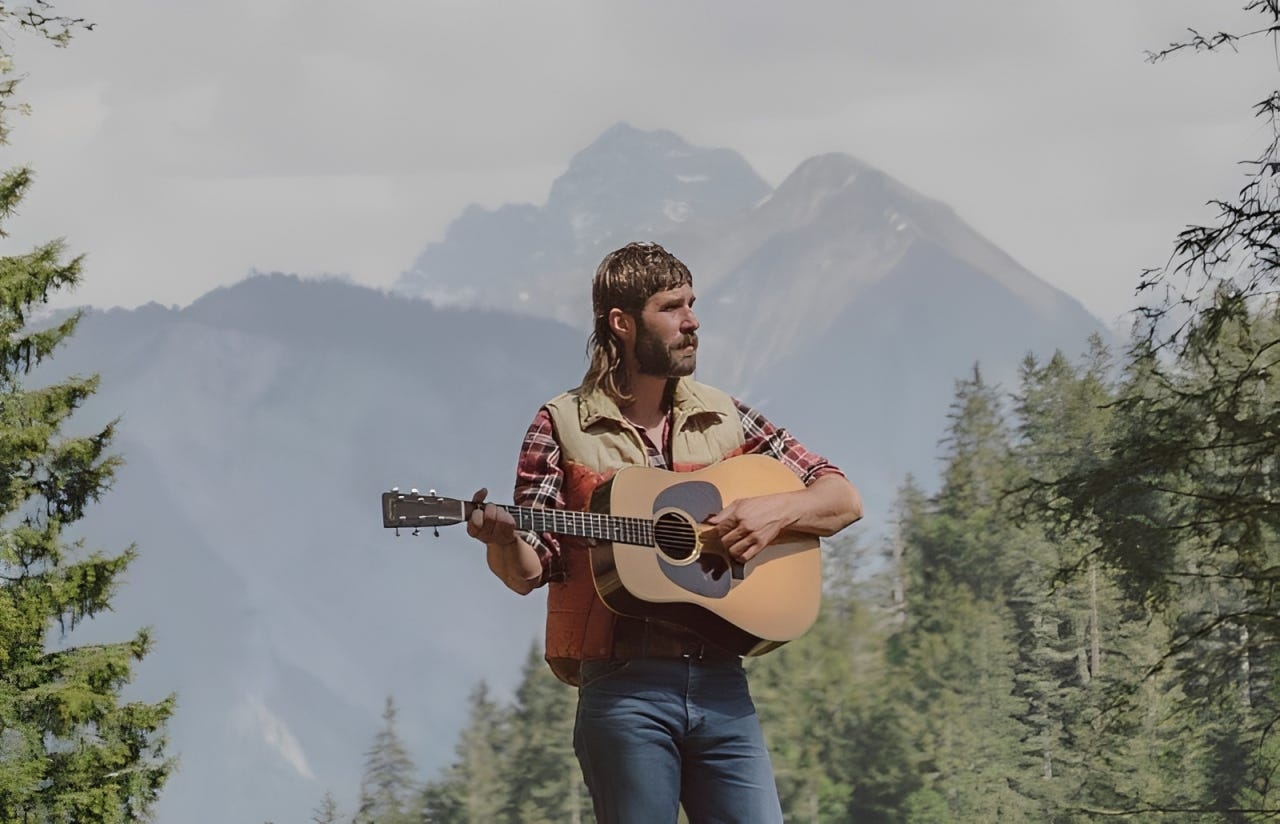
Chris Comper is the creative force behind Prinz Grizzley. From his Austrian Alps forest home, Comper found indie-rock success with his band Golden Reef before going solo as Prinz Grizzley, where he veered into the Americana lane with three critically-acclaimed albums that led to playing festivals around the world like SXSW, AmericanaFest, Folk Alliance International, Kilkenny Roots Festival and Montreux Jazz Festival. His work, including his latest concept album Tilda, draws from his ancestry while exploring deep emotional truths.
Thank you so much for joining us in this interview series! Before we dive in, our readers would love to learn a bit about your “origin story.” Can you tell us about how you grew up?
Me! Picture a village in the Austrian mountains, with about 3,000 people. I grew up running around in the woods, surrounded by generous, down-to-earth, hard-working people. From a young age, I learned that if you do nothing, nothing will come of it. So you’d better get moving, go out, and work. We’re not really big on holidays in this area. It used to be all work, eat, sleep, and pray. We’ve lightened up a bit since then and learned to enjoy ourselves more.
What inspired you to pursue a career in music, and how did your journey begin?
My father is a musician, too. He played in dance bands and in the village orchestra, so music was all around me from the start. I began making up songs at an early age and loved the music tapes my father passed on to me. But things really started when I was about 13 and my sister gave me Nirvana’s Nevermind. I was blown away and knew music was a way to communicate and cope with my feelings. I begged my dad for a guitar, got one, and never looked back.
Can you tell us about the most interesting thing that’s happened to you since you began your career?
There are plenty of stories, as you can imagine, but one from the very early stages of my career stands out. My old indie band was selected from around 800 bands to perform in the final ten of a national band contest organized by Austria’s biggest radio station and the major label Sony. But we felt that if we won, we might be selling ourselves to the big machine and wouldn’t be able to stay true to our artistry. I called Sony and told them we wouldn’t be taking part in the final for that reason.
There was silence on the phone for about a minute. I guess the woman was speechless that we’d turned down what they thought was a great opportunity — but in the end, she understood our decision. The funny thing is, a year later, we played a show with the contest’s winners. Guess who brought the crowd? Only five people showed up for them, and the other 250 came to see us!
It’s often said that our mistakes can be our greatest teachers. Can you share a funny mistake you made when you were starting out, and what you learned from it?
Never record vocals when you’re under the weather, and don’t let anyone pressure you into doing it. The cost of the studio and the time people have put in don’t matter: if you’re not at your best, go home and come back another day.
This happened while I was recording my indie band’s second album. We’d already been recording for four days, and I had a sore throat. But the producer wanted to finish the album and have me sing the whole thing in one afternoon. It was horrible! Now I can listen to it on CD as a reminder. Lesson learned: health comes first!
None of us achieves success without help along the way. Is there someone you’re especially grateful to for helping you get where you are? Can you share a story about that?
I haven’t had many helpers along the way, but the person who stands out — and is still the most important — is my wife. We’ve known each other since I was 19, and she’s been my toughest critic from the start. She rarely liked my songs and was always honest if I sang a wrong note during a live show.
It was hard to hear that from the person I love most, because you somehow expect them to hold back on criticism. But once I understood that she was being honest because she wanted the best for me, I could decide for myself whether she was right and work on things when I agreed with her. She really made me work hard, and I’m thankful for that. You don’t need a fan around you; you need people who are honest with you.
What are some of the most interesting or exciting projects you’re working on now?
I’ve just released my new album, Tilda, which was inspired by my grandparents’ lives. It was an intense two-year project, and it’s finally out in the world! Right now, I’m writing new material, and it’s heading in a very interesting direction. I think there’ll be a lot of horns and soul involved — but I won’t give too much away just yet.
We’re very interested in diversity in the entertainment industry. Can you share three reasons why you think it’s important to have diversity represented in music, film, and television? How can that affect our culture?
Diversity in music, film, and television matters for three main reasons. First, representation helps people see their experiences and identities reflected, which can foster a sense of belonging and self-worth. Second, it broadens the stories audiences encounter and helps us understand lives and perspectives different from our own. Third, a more diverse industry can challenge stereotypes and create fairer opportunities for people whose voices have historically been overlooked.
That can shape culture in meaningful ways. The stories we share influence what we consider normal, whose experiences we value, and how we relate to one another. More inclusive entertainment can encourage empathy, spark important conversations, and help create a culture where more people feel seen and heard.
As a successful music star, you’ve likely faced challenges along the way. How do you stay motivated and overcome obstacles in your career?
First, don’t measure success by your numbers. If one person reaches out and tells you your art touched or helped them, that’s already a win. Appreciate the small successes, don’t take yourself too seriously, stay curious, and avoid copying yourself over and over. Some peaks may seem unreachable but keep working toward them. Maybe you’ll reach them one day, or another opportunity will come your way. Stay true to yourself, and don’t be too hard on yourself. If you love what you’re doing, others will catch on sooner or later.
What are five things you wish someone had told you when you first started, and why? Please share a story or example for each.
1. “You’re not Jim Morrison — you don’t perform well under the influence.”
I still have the broken guitar hanging on my wall. I’d had a few too many drinks before the show. By the second song, I fell over and landed right on my guitar. So, folks: drink responsibly before a show.
2. “Use a click track wisely — or avoid it when recording.”
I think a lot can get lost when every musician is trying to follow a click track. The focus becomes the click, not the music. So, I try to capture live-performance takes during every recording session. They might not be perfect, but they have a real vibe and feel honest. We’re not machines; we’re human.
3. “Try to remember people’s faces and names.”
Even though you meet a lot of people along the way, try to remember their names and where they’re from. You never know if you’ll meet them again, but I promise that remembering someone’s name can make their day. Everyone wants to feel seen, and everyone deserves to.
4. “Don’t follow trends; follow your own taste.”
When you’re a young musician starting out, you’ll try to follow your idols, and that’s all right. But at some point, you have to realize that you can’t be them — and that they already exist. Find your own voice and sound, and stick to them.
5. “Newsletters aren’t boring or just for old people.”
If I’d followed that advice, my newsletter would have a lot more subscribers, and I wouldn’t have to rely so much on social media. Get your pens and paper ready, folks, and start collecting your fans the old-school way.
Can you share some insights into your creative process? How do you approach songwriting and musical collaborations?
The best songs are often the ones that come quickly. It’s like receiving them, as if they were already there. I always thought it was magic, but to be honest, for every good song I write, there are ten that aren’t so great. Just keep writing and try to get better; the good songs will come.
When it comes to production, I already hear a lot of possibilities while I’m writing. By the time the song is finished, I pretty much know how I want it to sound. As for collaborations, just leave your ego at the door, and something good will happen.
Your music has resonated with fans around the world. What do you think sets it apart?
I’m not sure, but I think it’s a mix of things. Maybe the main thing is my take on American roots music, filtered through the perspective of someone who grew up in the Austrian mountains. That gives me a different angle on the music. And maybe it’s my voice, too — it’s pretty unique. At first, I hated it, but we’ve learned to get along.
How do you connect with your audience?
To be honest, I’m not the best on social media. I hate the idea of constantly praising myself or letting people see every aspect of my life. I’d rather remain a bit of a mystery than show everyone when I’ve taken a good dump in the morning. Isn’t it more interesting not to know everything about a person and to imagine things for yourself? I think that’s where the magic is!
With your busy schedule and demanding performances, how do you prioritize self-care and maintain a balance between your personal life and your music career?
I still work as a painter, and I think that keeps me grounded and close to reality. At the end of the day, I can look at the work I’ve created and don’t have to rely on clicks and likes to find value in it. I’m also a father of three, so there isn’t much time to dwell on things or play the “what if” game. I try to stay positive, and when I’m feeling down and out, a good walk in nature usually helps.
If you could inspire a movement that would bring the greatest good to the greatest number of people, what would it be? You never know what your idea might inspire. :-)
It would be neighborhood care. If we could start looking after one another in the smallest communities, be honest with each other, have respectful conversations, and not wait too long to address problems, that would be great — and it would spread.
I think people worry too much about problems a thousand miles away and overlook the problems in their homes or right on their doorsteps. If we solved the problems closest to us first and then started thinking bigger, I think that would do a lot of good.
Is there someone in the world — or in the U.S. — you’d love to have breakfast or lunch with, and why? They might just see this, especially if we tag them. :-)
It would be John Fogerty. I grew up listening to his music, and I’d have so many questions about the sound, arrangements, and writing of his songs. To me, he’s the GOAT. It’s unbelievable how many classics he wrote and produced!
How can our readers continue to follow your work online?
Please feel free to check out my website at www.prinzgrizzley.com or follow me on social Media.
Instagram — Facebook — YouTube — Bandcamp — Spotify — Apple — Amazon
This was very meaningful. Thank you so much! We wish you continued success!
About The Interviewer: Tavares Beverly ( www.tavaresbeverly.com ) is the Founder and CEO of Beverly Boy Productions, a national video production company that has helped organizations tell their stories through video for more than two decades. Over the course of his career, he has worked with everyone from Fortune 500 executives and healthcare professionals to politicians, nonprofit leaders, educators, and artists, gaining a unique perspective on the role communication plays in leadership, business, and human connection. A frequent contributor on topics including communication, entrepreneurship, leadership, and personal development, Tavares believes that the ability to communicate effectively is one of the most valuable skills a person can develop. His work is driven by a passion for helping organizations connect with their audiences and helping individuals unlock their potential through mentorship, perseverance, and meaningful relationships. To learn more, connect with Tavares on LinkedIn or visit www.BeverlyBoy.com . If you’re interested in using the power of storytelling and communication to grow your organization, strengthen your brand, or inspire your audience, he welcomes the opportunity to connect.