When I was working as an assistant tech at that big jingle house in New York City, one of my jobs was to gather all of the music tracks we were going to pitch to the client, name them properly, and email the client a link. One time, I sent Pepsi tracks to the Coke client.
Music Stars
(If you are unable to download it, please click File-Download)
Please write your answers below, leaving the questions in the document. We might schedule a follow-up call or skype to round things out.
INTERVIEW QUESTIONS:
As a part of our interview series with leaders, stars, and rising stars in the music industry, we had the distinct pleasure of interviewing Cheryl B. Engelhardt.
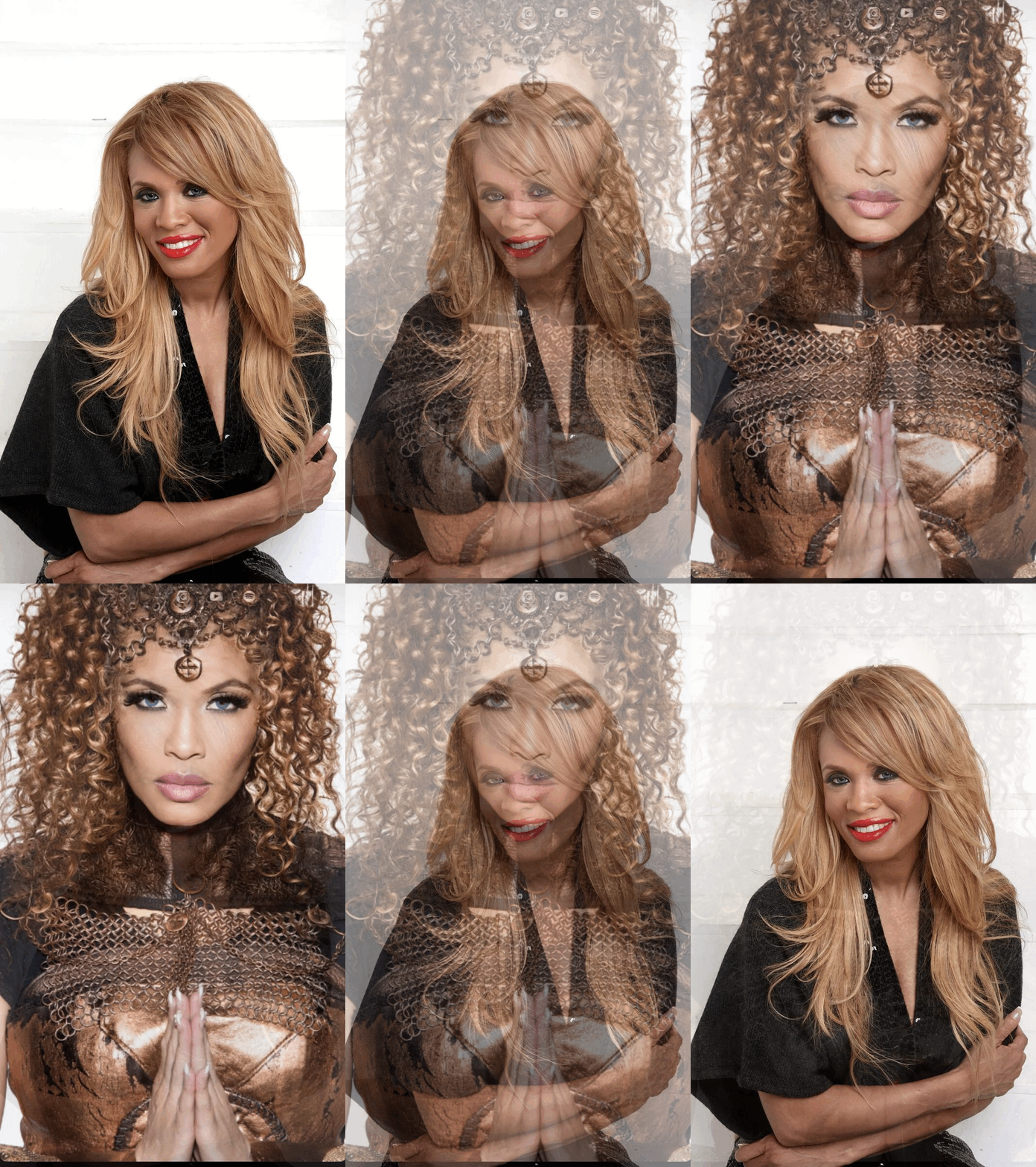
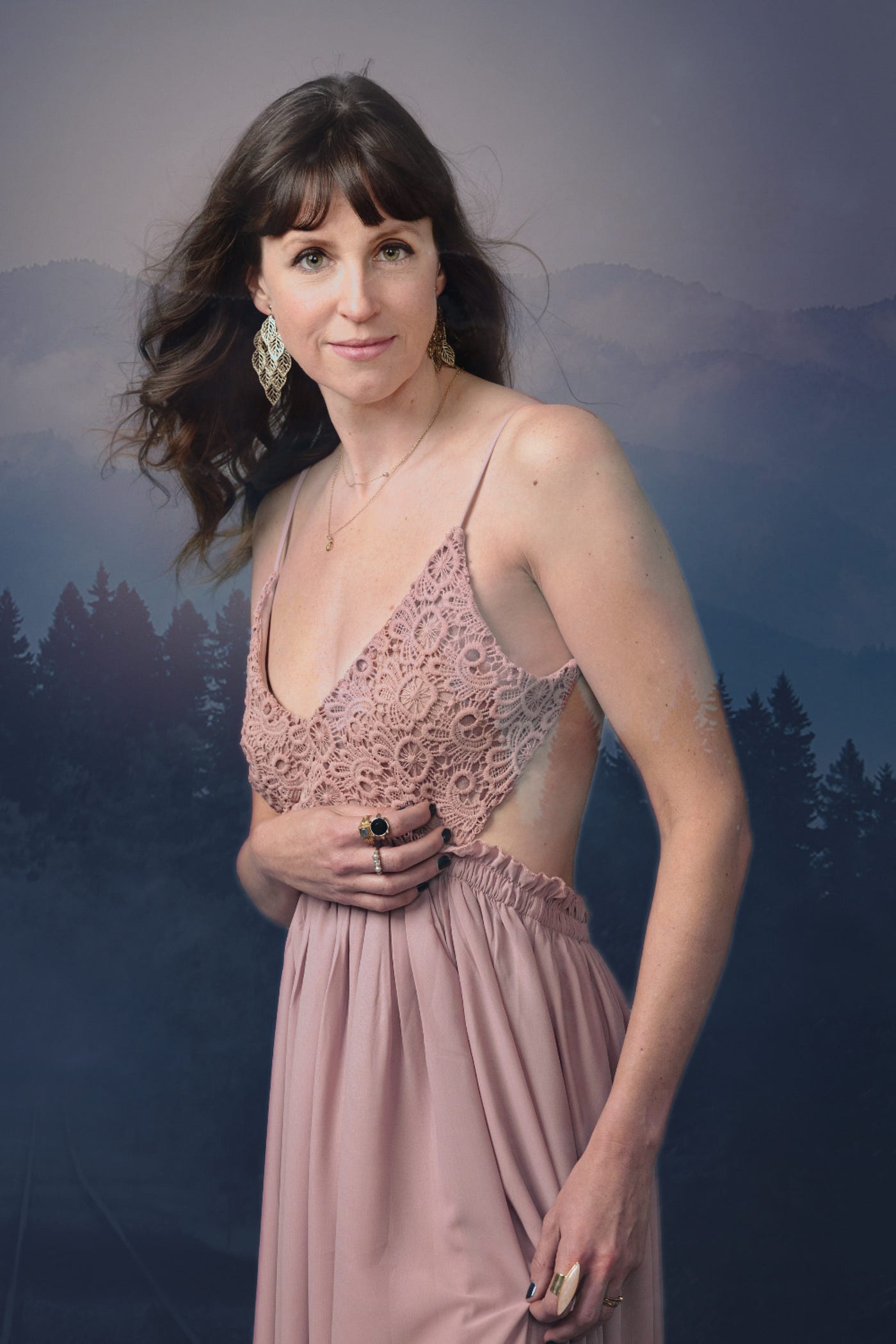
Cheryl B. Engelhardt is a GRAMMY-nominated composer, songwriter and music business coach. She’s been featured by Harper's Bazaar, People, and Forbes and is committed to helping other independent musicians expand their careers, providing programs and coaching on her site In The Key Of Success. She’s a mentor for GRAMMY U and has been a voting member of the Recording Academy since 2016. She is a sought- after speaker and has presented at South By Southwest, ASCAP Expo, CD Baby’s DIY Musician Conference and multiple colleges and universities around the country. Her seventh studio album and third in the New Age genre, “The Passenger” is GRAMMY-nominated for 2023’s Best New Age, Ambient or Chant Album.
Cheryl, thank you so much for joining us and congratulations on your Grammy nomination! Before we dive in, our readers would love to learn a bit about your “origin story”. Can you tell us the story of how you grew up?
Thanks so much! I grew up in Connecticut, playing the piano since a really young age and experimenting with writing my own music. (Most of it was odd piano pieces, except a few classics like “Time Goes On And On '' that my mom still remembers me writing and singing all over the house at age 6.) I adored vocal groups and was always in a choir of some sorts. Fast forward to attending Cornell University where I thought I’d go into biology (I LOVED marine biology but also the idea of becoming a maritime lawyer) and I realized I could double major: with music. So the thing that was always a hobby started to become a little bit more full-time.
Can you share a story with us about what brought you to this specific career path?
While my first job after college WAS doing water quality research for the USGA (aka, I was a SCUBA diver for the government for six months), I soon was exposed to more experiences, including going to Rome, Italy, to help a friend create videos for a fancy hotel’s website. I did the videography and editing as well as creating original music for the pieces. This led me to moving to New York to get a job as a messenger for a commercial editing company, which led me to meeting different companies that wrote music for those commercials, to me getting a job at one of them. This started my music career. When the studios were closed, I’d stick around after hours and record my own records with my band. I left that job to go tour and be a fulltime singer-songwriter indie musician. The long and short of it is, many tours, seven albums later, a pivot from pop to New Age, and lots of life stuff in between, I wouldn’t change a thing.
Can you tell us the most interesting story that happened to you since you began your career?
Ooh there are a couple of good ones like having to walk through a sketchy MEN’S bathroom at a performance venue in Hamburg Germany to get to the room they had promised me (which had bars on the windows and a skull and crossbones on the black bedspread), to the one where my music was on a commercial during The Office series finale but the company never paid me. When I reached out, they offered $500, and I stuck to my guns and asked for $15k, and two months later got my first five-figure check for music… of $15,000. So that was a good one. But I think getting a GRAMMY nomination while at a meditation retreat takes the cake.
It has been said that sometimes our mistakes can be our greatest teachers. Can you share a story about the funniest mistake you made when you were first starting? Can you tell us what lesson you learned from that?
OH YES. When I was working as an assistant tech at that big jingle house in New York City, one of my jobs was to gather all of the music tracks we were going to pitch to the client, name them properly, and email the client a link. One time, I sent Pepsi tracks to the Coke client. I cannot believe I wasn’t fired on the spot. What did I learn? TRIPLE CHECK EVERYTHING!
None of us are able to achieve success without some help along the way. Is there a particular person who you are grateful towards who helped get you to where you are? Can you share a story about that?
I think about this and sometimes I feel there are SO many people who helped me, and also I did this totally on my own. I often wonder if a lot of independent musicians feel this way. But one person who has been around for a while in my career is J Chris Griffin who has helped produce and mix several of my projects since 2004. Ironically, he didn’t produce or mix “The Passenger” (the album that’s nominated for a GRAMMY) but he did share a ton of advice on good sounds and plugins that I should take on the train with me (where I wrote and produced the album).
Can you please give us your favorite "Life Lesson Quote"? Can you share how that was relevant to you in your life?
ELEANOR ROOSEVELT: “Surely, in the light of history, it is more intelligent to hope rather than to fear, to try rather than not to try. For one thing we know beyond all doubt: nothing has ever been achieved by the person who says, ‘It can’t be done.’” I like to think what I do for other musicians, both in my life and purposefully in the mentorship mastermind I run for independent musicians, is to show what’s possible. Proximity to people who are not like you, who have done things you haven’t dreamed of, who have experienced life in a whole different way, is so important and why diversity initiatives are so important. But I tangent. To know what is possible, and to try for it, even if it seems impossible, is the key. I like to look at crazy ideas and say “okay, let’s go.”
What are some of the most interesting or exciting projects you are working on now? How does it feel to be Grammy nominated?!
I’m excited to be exploring partnerships with music companies that are in constant need of new instrumental music. I’m also collaborating with a few social justice choirs on new pieces, as well as with Dallas String Quartet. And I’m always working on my own music. I have a musical to edit, one I co-wrote with my dear friend Kevin Archambault who passed away 1/10/22. I spent the year grieving, unable to revisit our progress, but I see that coming up next year.
We are very interested in diversity in the entertainment industry. Can you share three reasons with our readers about why you think it's important to have diversity represented in music, film, and television? How can that potentially affect our culture?
Like I had mentioned in a previous answer, when you see something done, you can’t unsee it. When you see yourself represented, especially as a young person, a whole world of possibility opens up. Some of the problems with lack of diversity, especially as I see it in the music industry in terms of gender gaps, is that old patterns play out that perpetuate the favoring of majority populations. For example, when a station plays music by an underrepresented group 3x less than their represented colleagues, the underrepresented artists are getting a LOT less money than their colleagues. That’s money that could be spent on publicity, higher-visibility collaborations, and more… leading to more visibility. It’s time to break out of this old cycle!
What are your "5 things I wish someone told me when I first started" and why? Please share a story or example for each.
1. Get clear on your goal and do everything to protect and work towards that goal. Distraction is not necessarily deadly, but it will be a delay. Where your attention goes is where energy flows. I notice this every year- if I’m focused on bringing in income, my income increases. If I’m focused on a career goal, I make moves towards that.
2. You are loyal to a fault. It’s okay to end relationships. It’s okay to step away from something that isn’t serving you. Stop people pleasing. I have taken a LONG time to learn this and implement it both in my career and in my personal life. And what I learned is that sometimes stepping away makes room for exactly what you had wanted. I tried to end my marriage this year, and my husband stepped in and made a lot of huge changes that I never thought were possible. Now I have a new relationship… with the same person.
3. Trust yourself. You got this. I am an evidence person - I build up evidence to support whatever story I have made up in my mind. So, I may as well find evidence that I’m a genius rather than that I’m not good enough (my flavors of those inner stories!)
4. Patience really is a virtue, sorry kid. 19 years to reach the goal of a GRAMMY nomination. That’s all I’ve got to say about that.
5. Don’t change a thing. I wouldn't be in this beautiful place if I did.
Congratulations on your Grammy nomination! That of course took a lot of work and perseverance on your end. Which tips would you recommend to your colleagues in your industry to help them to thrive and not “burn out”?
Become masterful at your calendar. Build a relationship with it, one that your life depends on, because it does. I don’t experience burnout often. I take a lot of days off, and I find time for hobbies and loved ones. But I am always juggling a dozen plates. And I have to give credit to my calendar and how I have learned to schedule it like a pro. Oh, and get a coach. Someone who is a bit farther than you and is highly trained. My biggest moves were made when I had someone’s outside perspective helping me raise my frequency and help me get out of my own way. (Which is one of the reasons I was so committed to becoming a high-level trauma-informed coach myself.)
If you could inspire a movement that would bring the most amount of good to the most amount of people, what would that be? You never know what your idea can trigger. :-)
To make it easier for industry gatekeepers to find, hire, promote, play, program, and collaborate with women. We are here. That’s the movement. There is SO much evidence that society on a whole would be better with more women empowered to be in positions of power. We are here.
Is there a person in the world, or in the US whom you would love to have a private breakfast or lunch with, and why? He or she might just see this, especially if we tag them. :-)
Alicia Keys. Her first Grammy speech in 2002 stuck with me - “believe in your dreams”. From then on, I never thought it was silly to go after big things.
How can our readers follow you online?
Follow me @cbemusic on Instagram, TikTok and Facebook, and @cbe on Twitter. Listen to me on Spotify and click here to learn more about “The Passenger.”