When I hear those stories, it’s incredibly rewarding, and very exciting. We also have a customer that provides a 1–800 mental health call line in California, which helps people that are in need of emotional support and sometimes have suicidal thoughts.
Tech
Amir Orad: The Data-Driven Mindset That Transforms Emerging Tech Startups Into Industry Leaders
The CEO and chairman of Sisense shares his extraordinary journey from early tech geek to scaling global enterprise data solutions, and why cognitive diversity creates stronger corporate cultures.
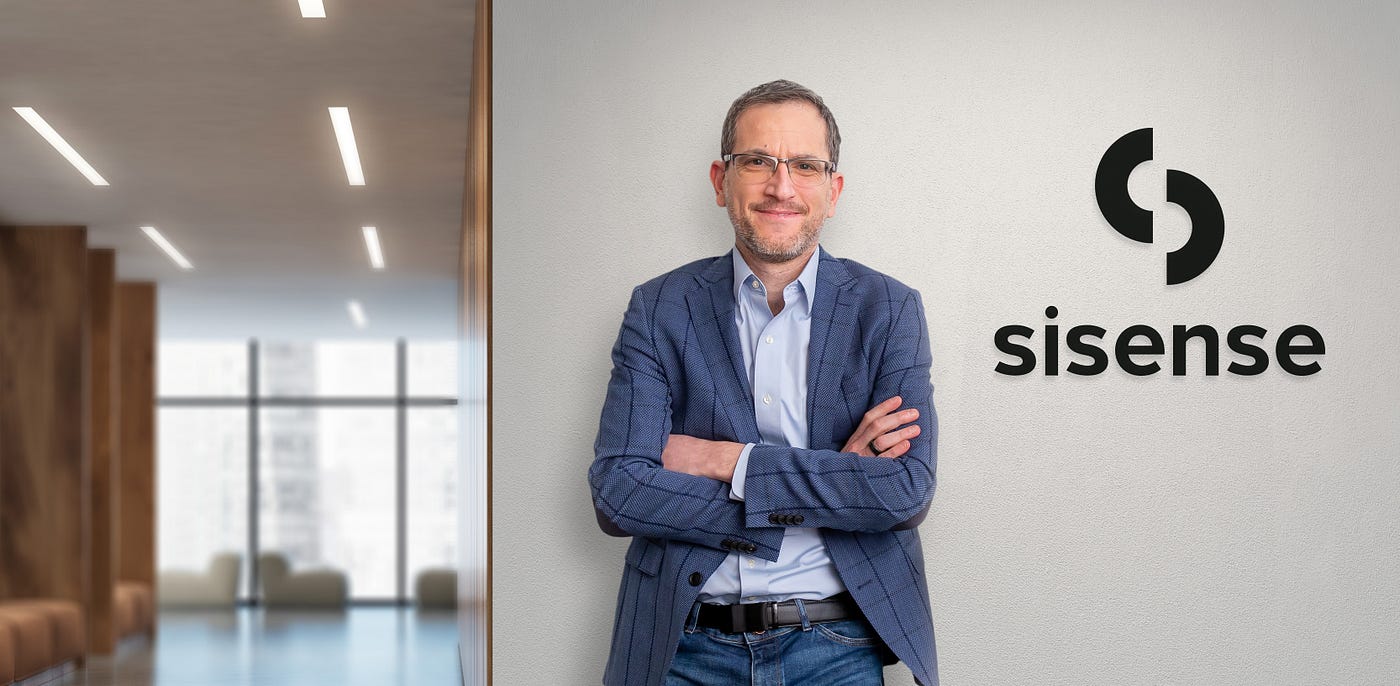
As a part of our series called ‘Five Things I Wish Someone Told Me Before I Became A CEO’ we had the pleasure of interviewing Amir Orad.
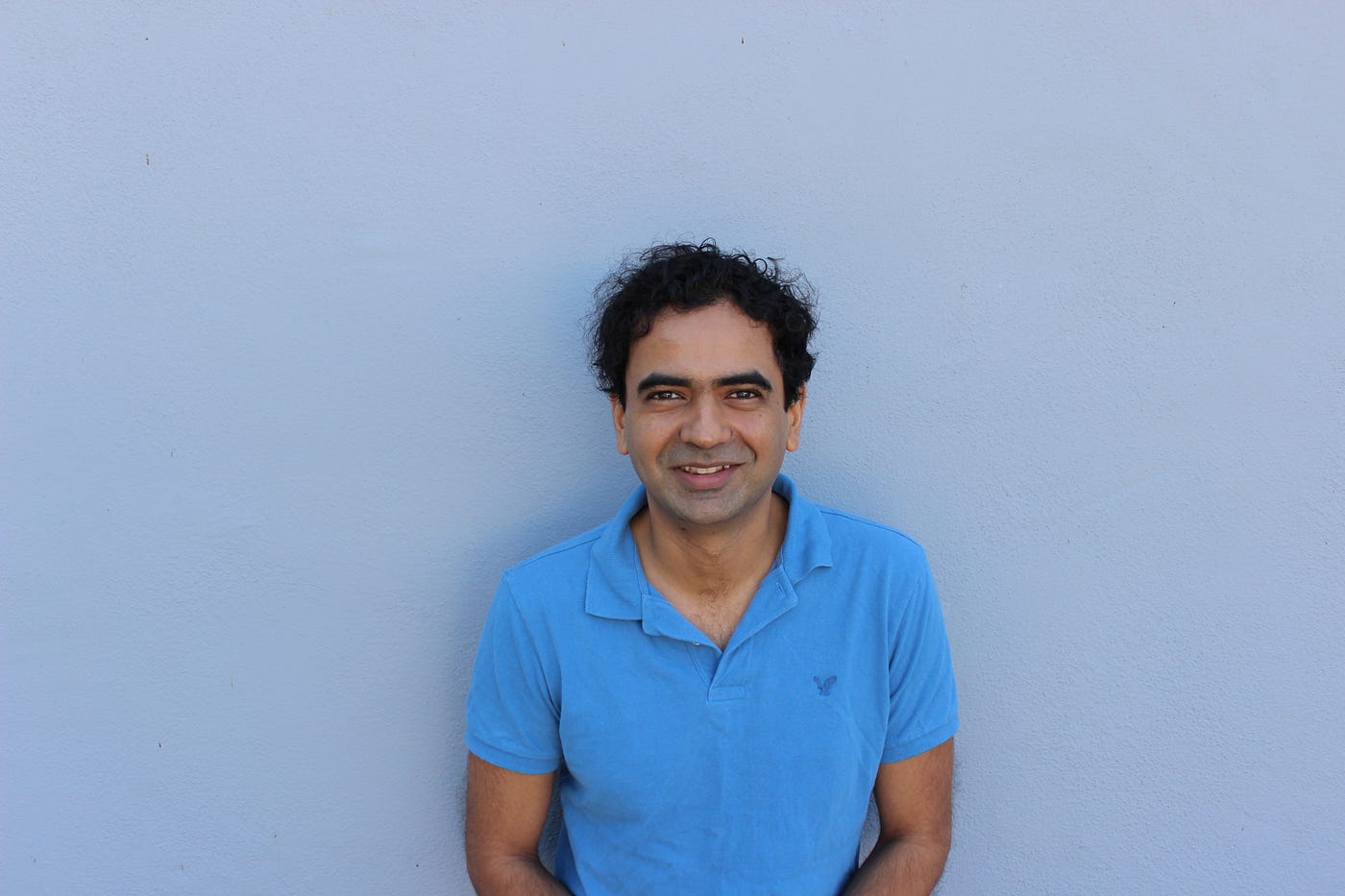
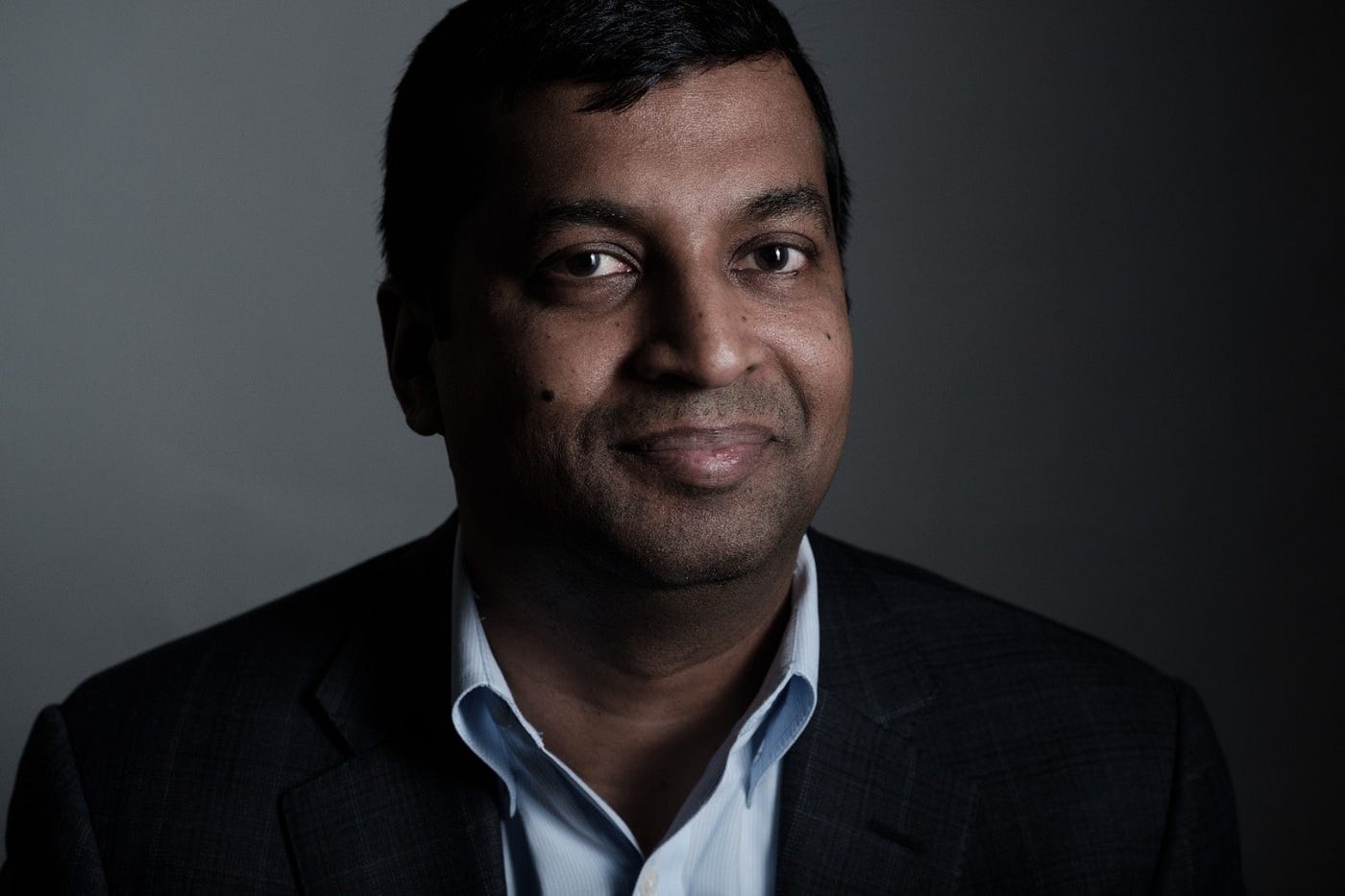
Amir Orad is CEO and chairman of the board at Sisense. With focus on building and scaling companies, Amir has led startups to become industry leaders with hundreds of millions in revenue and multiple M&As. He is a serial entrepreneur, specializing in growing big data and cybersecurity businesses, with over 25 years of experience as a leader in these fields. During his previous tenure at NICE Actimize, he grew the business 10x to a $200M revenue run rate. Previously he was co-founder of Cyota, which he sold to RSA Security. He holds an MBA from Columbia University and has been acknowledged as a Top 50 SaaS CEO and was announced as one of the “Entrepreneur of The Year 2020 New York” winners by Ernst & Young LLP.
Thank you so much for joining us in this interview series! Before we dig in, our readers would like to get to know you a bit more. Can you tell us a bit about your “backstory”? What led you to this particular career path?
Thank you for having me, it’s great to be here. First, I’m a geek and techie by background. I had my first software start-up when I was just 16 years old, because I needed money to buy a new gaming computer, so I decided to sell software for an insurance company to save up for it. While there, my talents were recognized, and I joined the intelligence corps, spending six years building data technologies there. I left in 2000– and in the year 2000– you did only one thing when you were a techie: start a startup. I spent seven years building it within the online security space, using analytics and data to fight cybercriminals. That led me to the second startup, fighting more extreme situations in financial crime, mostly as the CEO for eight years which eventually became a successful $200 million revenue company.
I realized that using data and analytics had endless power and capabilities, so I decided to join this little company called, Sisense, to help it expand those capabilities to more businesses. Lo and behold, six years later, that “little company” has over $100 million in revenue, and I’m humbled to say, is one of the top 50 cloud companies worldwide. What we do today at Sisense is go beyond traditional business intelligence by providing organizations with the ability to infuse analytics everywhere, embedded in both customer and employee applications and workflows. In between all of that, some of my biggest accomplishments took place– I married my amazing wife and had three amazing children. I also have a few degrees– a B.Sc. in Computer Science and Management from Tel Aviv University, and I received my MBA from Columbia Business School.
Can you share the most interesting story that happened to you since you began leading your company?
It’s a recent story. A few weeks ago, I spoke to the CEO of one of our customers, Personica, that provides technology to the restaurant business. The CEO told me that restaurants used to be blind when it comes to people visiting them. Yet overnight due to COVID, restaurants became digital businesses, and everything pivoted online through to-go or deliveries–initially they didn’t have the insights to meet this new demand. Today, Personica helps those restaurants by using our AI-driven analytics platform to better connect with their guests by identifying promotions, price and menu optimization and customer loyalty. The CEO told me, “your analytics, and the insights you gave those restaurants saved them from going out of business.” When I hear those stories, it’s incredibly rewarding, and very exciting.
We also have a customer that provides a 1–800 mental health call line in California, which helps people that are in need of emotional support and sometimes have suicidal thoughts. This service allows anyone in this place to call and ask for help– that 1–800 entity is using our analytics behind the scenes to actually pick the right answer for a person who wants to end his or her life. Knowing that our technology helps save lives or helps save a business means everything. In the end, those stories are much more interesting, and more rewarding than the technology itself. It’s what really keeps me going.
Can you share a story about the funniest mistake you made when you were first starting? Can you tell us what lesson you learned from that?
A few colleagues and I were flying in from all over the world to meet with important executives of a bank who were interested in becoming partners with our company. We tried to make a statement on just how much we believed in a partnership with this other company, so we had t-shirts made with both of our logos (us and the prospect) on it. When we entered the room and took our jackets off to reveal our new shirts, they started laughing at us. In the end, they were pretty upset with us that we assumed a partnership and used their logo without their permission. The lesson I learned was that being overly eager and enthusiastic may not result in a mutually positive outcome. It was a life lesson I’ll carry with me forever, though the shirt made a great souvenir.
None of us are able to achieve success without some help along the way. Is there a particular person who you are grateful towards who helped get you to where you are? Can you share a story about that?
By far the most important person in my life who has supported me is my wife– that’s a no brainer. I have the most incredible wife. When we first got married, I was working on my first startup; I didn’t have a lot of money, and our new company didn’t have a lot of money, so it was tough in more ways than one. The startup had so many challenges and problems that my wife and I had to delay our honeymoon. My wife was amazingly supportive and took it all in stride. She believed in me through the entire journey and is truly the rock of support in everything I do.
As you know, the United States is currently facing a very important self-reckoning about race, diversity, equality, and inclusion. This may be obvious to you, but it will be helpful to spell this out. Can you articulate to our readers a few reasons why it is so important for a business or organization to have a diverse executive team?
First, I’m very passionate about this. We are a part of the founding co-signers on a major initiative led by Insight Partners where not only do they require the CEO taking a pledge for a more diverse world, but they’re committing to only investing money in companies that are willing to be measured by the level of diversity and improvement they have over time. This is the first time I’m aware of an investment made by a Venture Capital firm that will not only be made on financial metrics, but on diversity. I’m a big believer that diversity is not only about race or gender. Diversity has many, many, dimensions– like an immigrant, someone who’s family is ten generations in the country, someone who has ADHD and is a genius in another dimension of what we do, to race and gender and many other dimensions, like financial background and so on. The beauty is: what’s right for us as human beings is also right for us as a business. Diverse teams, diverse companies and diverse cultures are stronger. There’s endless research that shows that diversity of the mind, of opinion and the way people see things differently from different backgrounds makes a better team. It’s more challenging to manage, but there’s a much better outcome for the world as a whole.
I would say that Sisense has made a lot of good moves on this topic around awareness, training and supporting various employee resource groups, but we’re still far from achieving our goals. While we have a lot more to accomplish, I’m proud that my management team is almost 50/50 male/female; it’s an important initiative that I am personally supporting at our company.
As a business leader, can you please share a few steps we must take to truly create an inclusive, representative, and equitable society? Kindly share a story or example for each.
There are so many ways to create an inclusive, representative, and equitable society, but I’ll touch on three high impact areas. Number one is hiring. Hiring today is very different because we are now aware of the unconscious biases we all hold. At the end of the day, the best person will be hired to fill the job, but if you don’t start off with a diverse pool of talent, you’re going to miss out on some amazing people. With our recruiting, we use non-traditional avenues to make sure we are exposed to as much diverse talent as possible. We must remember to recruit with the intent of creating a workforce that is as diverse as the population you serve.
The second is to create a salary band for each position, as it makes a huge impact on reducing the unconscious biases we all hold. People with different backgrounds deal with systemic biases in many of our internal processes, so when it comes to promotions, merit and salaries, having defined salary bands will ensure unconscious bias plays no part in determining compensation. Regardless of your qualifications, as a candidate, you can rest assured that you will receive a salary based on the role and not because of how you identify. I get merit reports, promotion reports, and benchmarking reports that look at underrepresented communities, to ensure there aren’t any inconsistencies.
The third area is about making sure your people know that you see them. Show your support by acknowledging the obstacles they face on a daily basis and work with them to create an environment where they can be their authentic and whole selves; the Sisense leadership team attended various employee-led employee resource group events throughout the year to show our support and continue to educate ourselves on important issues. Between the #MeToo movement and the continued systemic racial issues that reached a boiling point in 2020, we must keep up with and learn to adapt to our constantly changing society, and all the waves of pain that go along with it. I understand the significance of addressing the tragedies and injustice that affects our employees and it is not easy but one of the most important things you can do is show up.
Ok, thank you for that. Let’s now jump to the primary focus of our interview. Most of our readers — in fact, most people — think they have a pretty good idea of what a CEO or executive does. But in just a few words can you explain what an executive does that is different from the responsibilities of the other leaders?
While the CEO’s job is centered around defining the strategy, vision, and the North Star, the most important role of a CEO is to build and empower the right team that aligns to the vision and core values of the company. Talent is our number one asset and building a team you can lean on and trust is vital to an organization.
Also key for a CEO is to build and maintain the company’s culture and values. As an executive, you are a role model to many, you must lead by example, and exemplify qualities that demonstrate fairness, dedication, kindness, openness and passion. The behavior you model inspires every employee throughout the company.
What are the “myths” that you would like to dispel about being a CEO or executive. Can you explain what you mean?
Being a CEO is an extremely rewarding position that I am very proud to hold here at Sisense. Being a CEO can also be difficult at times when you have to deal with crises and time sensitive issues, so you must work well under pressure. Yet, when you take a step back and look at what you’ve done over time, and what the team has built through all the challenges, it’s truly amazing. A myth many might believe to be true is that the CEO has all the answers, but it’s not true. This is why I am passionate about hiring the right people, so that I can lean on them as true experts in their fields, and colleagues when we need to make critical decisions or find the right solutions.
What is the most striking difference between your actual job and how you thought the job would be?
The most striking difference would be that I thought most of my time would be spent primarily on business, money, customers, strategy, vision and mission, but I have spent much more time than I imagined on people and culture, which I find to be the most inspiring and powerful part of my job.
Presumably not everyone is cut out to be an executive. In your opinion, which specific traits increase the likelihood that a person will be a successful executive and what type of person should avoid aspiring to be an executive? Can you explain what you mean?
You need to enjoy being under pressure– endless pressure — and enjoy it. Not only do you need to enjoy it, but you must be comfortable with it, if not, don’t do it. You also need to balance being convicted in your way, yet also flexible to listen to your team. If you’re too flexible, it won’t work, if you’re too convicted, it can work, but it’s not ideal. You ultimately really must want the leadership experience and responsibility, as it’s a very tough job to be a CEO, and you cannot do it for the money– there must be passion.
What advice would you give to other business leaders to help create a fantastic work culture? Can you share a story or an example?
First, it’s a never-ending journey. You can’t just initiate and create a fantastic work culture and move on. It never ends. Second, if people misbehave or cross whatever lines you define, whether that be culture lines, moral or behavioral lines, you must move them out. The minute you don’t stay true to your beliefs is when things start to deteriorate. One initiative we used during COVID-19 to maintain our work culture was to offer employees “selfcare” days, which was a day off each month dedicated for employees to take time to themselves, recharge, be with their families or sleep in– whatever they needed for that day was up to them. The key was (and still is) that the selfcare day is mandatory, we insist everyone take the day off together and make it legitimate to be away from zoom and email. The feedback we received from employees was that they felt supported and seen during a difficult time.
How have you used your success to make the world a better place?
Here at Sisense, we do a lot of giving without making it public or talking about it too much. For example, in the last year, we have given our technology, services, time and resources– at no cost– to organizations that either fight COVID-19 or, in the last year, help to drive change for diversity and the social unrest we had, as well as the issues behind it. We do that quite a lot, and I’m very proud of the team for doing that. On a personal level, I enjoy coaching younger ambitious professionals, it is quite exciting to do. You realize how much you learn by making so many mistakes, and you can pass the learnings onwards.
Fantastic. Here is the primary question of our interview. What are your “5 Things I Wish Someone Told Me Before I Started” and why? (Please share a story or example for each.)
Number 1 — find time for yourself and your family. Working 24 hours a day doesn’t make you better and answering every email doesn’t make you wiser. I failed with that early on. I quickly burned out trying to do it all and became non-productive. It took me a lot of time, courage and discipline to stop working 24 hours a day and realize the importance of not just relying on myself but relying on my team. I learned that when I let go a bit and trusted my colleagues around me to help with important projects and solutions, everything improved. Today, I live a full life which means both my professional and family life are balanced in their own ways. I have the support of my family in my personal life, and the support of my team in my professional life. You must have both, it’s very important.
Number 2 — it’s all about the team. The stronger your team is, the stronger you are. Spend every possible ounce of energy making sure you have the best people and the best team around you. Make sure they’re diverse. Make sure they think differently. Allow them and encourage them to push back and tell you that you’re making a mistake. I’ve seen the value of that over the years. To me, the most successful executives surround themselves with people who think differently. It’s a very important lesson.
Number 3 — there are only two rules when you make decisions. The first one is, trust the data, and the second is, trust your gut. If the data and your gut disagree, you must trust your gut. At my first company, we did a large research project, and we brought MBAs from Harvard to help us analyze a new product opportunity. We interviewed customers and analysts and prospects, and everyone told us, “this is the worst idea. You should not do it…” After reading all the data and seeing the answers, we decided to do it anyway– we trusted our gut. We had our own logic, and today, it’s one of the most widely used technologies out there. So, while it is important to trust the data, remember, since we are still human beings and not machines, trusting your gut matters too.
Number 4 — for the first-time executive and the first-time CEO, you automatically think you should be perfect, and never show a sign of weakness. If you’re wrong, say you’re wrong, when you don’t have a decision, say you don’t have a decision. When you make a mistake, celebrate it and learn from the mistake. It humanizes you for others. The people around you will appreciate it more than someone who pretends that everything is good or easy all the time. Be authentic and vulnerable. Be who you are and not someone else, and if you mess up, take responsibility.
Number 5 — Never pick the role, always pick the company, the problem it’s solving, and the team. I’ve seen too many executives fall in love with a bigger position, with a bigger title and more salary at the expense of the quality of people they’ll work with, and even the type of company they will go to work in. You must believe in the company’s mission. Optimize for the company, the team, the industry, company mission and culture, and then everything falls into place. Do not sacrifice an incredible team you feel good about, and the company you’re going to work with, just to take a fancier role. It doesn’t work in the long run. I’ve been lucky to have always picked the right teams and the right companies. When I moved to Sisense, I cut down my responsibility, or size of the team by 90%, and took other risks. Yet, I knew I had picked the right team that was passionate about the same mission. The company also supports an amazing culture, and as predicted, the rest came with it– It wasn’t a high risk; it was the right risk.
You are a person of great influence. If you could inspire a movement that would bring the most amount of good for the greatest number of people, what would that be? You never know what your idea can trigger.
I truly believe that everyone can be a better version of themselves. I’ve seen many people become a victim of their own self-imposed glass ceiling. Don’t believe that. I have not met a single person that I worked with, that when pushed in encouragement, wasn’t able to be better than they thought they would be. So, if I had the ability to encourage others to take the risks and aim higher than they plan, I am certain the vast majority will uncover hidden powers, hidden strengths, hidden capabilities, enjoy life more, succeed in life more, impact other people’s lives more and ultimately grow more.
Can you please give us your favorite “Life Lesson Quote”? Can you share how that was relevant to you in your life?
“She or he who dares, wins.” It’s a motto, and I truly believe it. It goes back to the previous question– if you don’t dare, you won’t win. It’s that simple. If you don’t aim high, then you won’t reach. It’s that simple and I truly believe that.
We are very blessed that some very prominent names in Business, VC funding, Sports, and Entertainment read this column. Is there a person in the world, or in the US with whom you would love to have a private breakfast or lunch with, and why? He or she might just see this if we tag them.
I love meeting people that I can learn from and have an open discussion with. I’m sure he’s busy for breakfast, but the person that today meets my above mentioned motto the most is Elon Musk. Not because of the influence he has, but because of his incredible vision for the future. In the last few centuries, he’s one of the only people, if not the only one, that was able to revolutionize and win in different markets, different technologies and different categories at the same time. That’s huge to me because most people don’t dare and don’t win. Few dare, and few win. How many people do that across many dimensions? Not many. What he is doing is super impressive.
Thank you for these fantastic insights. We greatly appreciate the time you spent on this.
PP
Written by
Parveen Panwar
Mr. Activated · Authority Magazine ColumnistAuthority Magazine Columnist & Contributor

Published inAuthority MagazineTop Lessons, Top Authorities · 42K Followers
Exclusive, curated interviews with the leaders and changemakers shaping tomorrow. Leadership lessons, industry deep dives, and executive profiles.