I suspect he really loved that I had an unconventional path. Susan and I also really connected, even though she was knowledgeable and intimidating. They are an incredible pair.
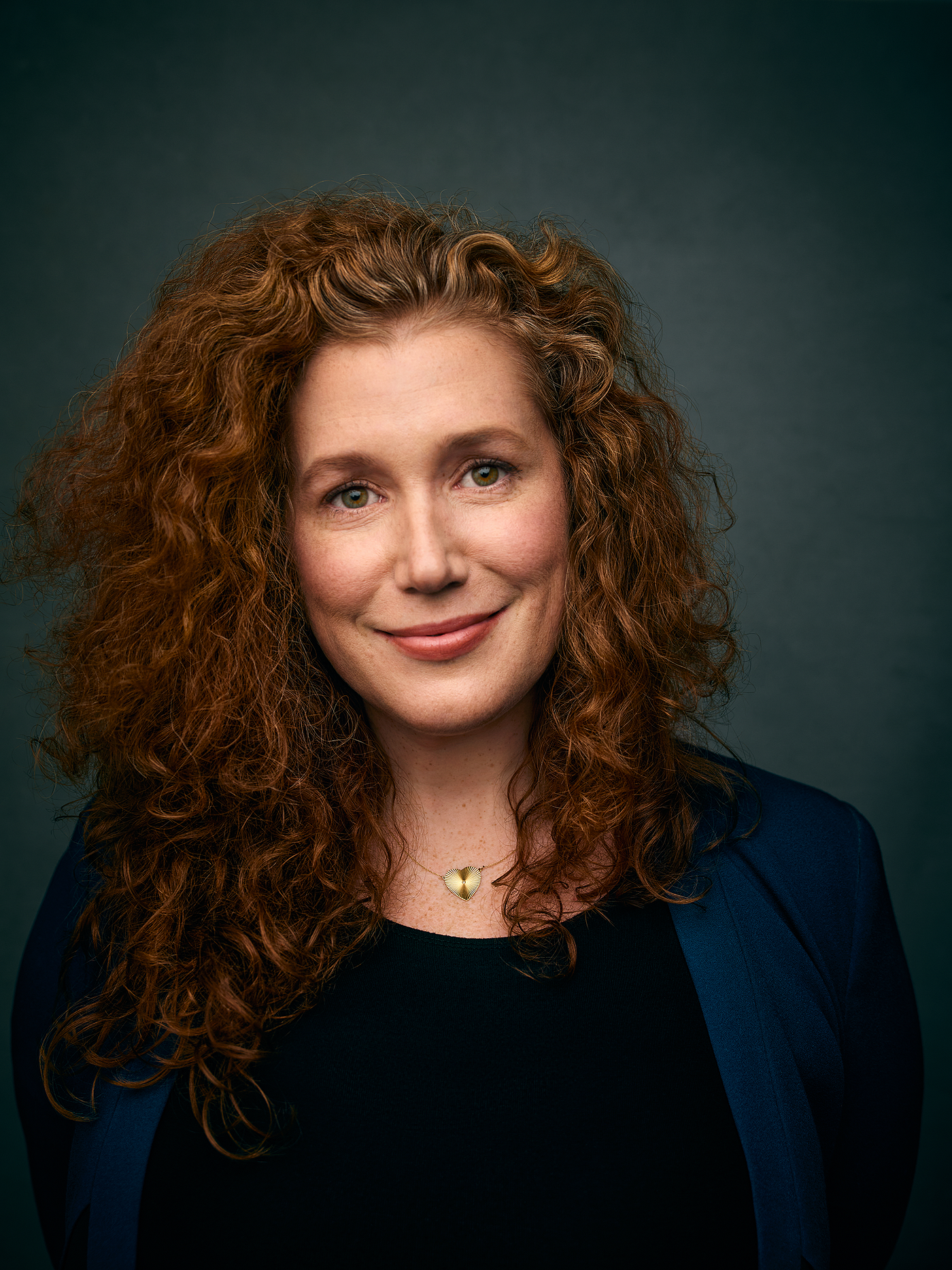
I had the pleasure of talking to Amanda Burrell. Amanda is President of Team Downey, the production company founded by Susan Downey and Robert Downey Jr. that produces film, television, and digital properties. A New Yorker at heart, Burrell’s passion for film and television production began at an early age and blossomed through her time at Smith College. After working in the New York independent film world at GreeneStreet Films, she moved to Los Angeles in 2009 when GreeneStreet opened an LA office. After producing and working on several small genre films with GreeneStreet and its genre label A Bigger Boat, she moved to Team Downey as a Vice President, Features at the end of 2011.
After working in development on several high-profile feature projects including an adaptation of Jesse Armstrong’s Black Mirror episode ENTIRE HISTORY OF YOU, Burrell set her sights on television and embarked on building Team Downey’s presence in that space. With great success, she was elevated to President of Team Downey in 2017.
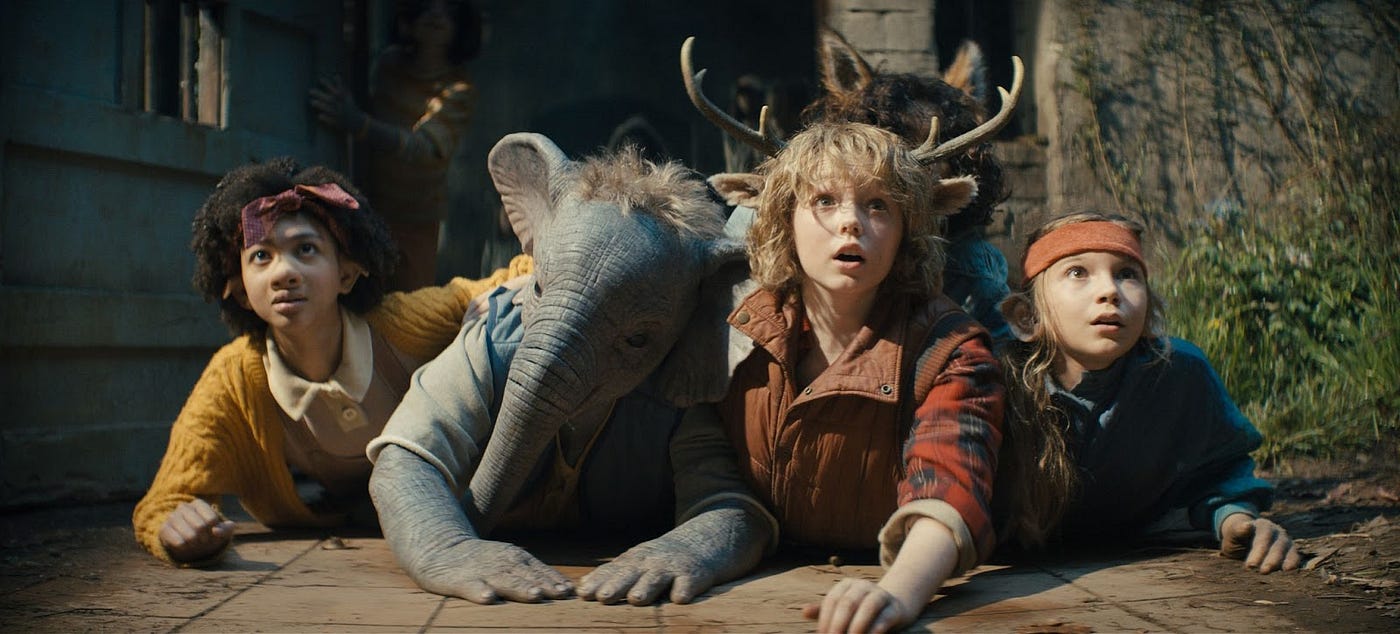
As President of Team Downey, Burrell executive produces the Emmy-nominated series “Perry Mason” for HBO, which is airing its critically acclaimed second season, and the Emmy-winning genre series “Sweet Tooth” for Netflix/Warner Bros premiering on April 27. Each show’s first season premiered to critical acclaim and mass success; “Perry Mason” was HBO’s most-watched series debut in nearly two years, while “Sweet Tooth” garnered an unheard of nine Children & Family Emmy nominations this past year. Up next for Burrell is “The Sympathizer,” which she is executive producing for A24 and HBO with Director Park Chan-wook at the helm. She is also developing and executive producing “Helltown” for Amazon alongside Oscar Isaac’s Mad Gene with Academy Award-winning director Ed Berger attached. The forthcoming limited series is an adaptation of the true-crime novel by New York Times bestselling author and renowned investigative journalist Casey Sherman.
Thank you for joining us. Before we dive in, our readers would love to know more about your origin story. Can you share with us how you grew up in your childhood?
I grew up in New Rochelle, New York, which is just outside of the city. My parents were a working-class family, with my mom working as a secretary and my dad starting as a teacher before eventually working for Westchester County. They were very loving and wonderful. I also have a younger brother, Andrew. Growing up, I was obsessed with watching movies. I loved everything about stories — books, movies, anything I could get my hands on. However, I had no idea that anyone could work in the industry.
Later, I went to Smith College in Massachusetts, an all-women school focused on liberal arts. When I got there, I felt a bit out of my element as everyone was so smart and intellectual. However, during my first semester, a senior named Caitlin Foito said that I should be a film producer. I didn’t even know what that was, but she said the way my brain worked and my love for movies made me a good fit. She gave me guidance on how to become a film producer, including interning and working my way up.
That summer, I worked at the Mayor’s film office in New York, where productions go to get film permits. I met PA’s who were working all around the city on productions, and I loved the energy of it. That summer, I also interned at Miramax in New York and worked for the executive in charge of casting Katrina Wolfe. She was doing really cool movies, such as Bad Santa, at the time, and I was starting to see other sides of filmmaking. The following school year, I went abroad to London and interned at Miramax London, which was really inspiring.
There was something about the industry, the people, the spirit of collaboration, and the rigorous way that people talked about stories that immediately connected with me. I feel so grateful that I found what I wanted to do early, and I never wavered from it. I did a lot of internships, including working at Killer Films in New York.
A week after I graduated from Smith, I got a job at Gersh in New York because my family was practical and wanted me to have health insurance. I considered going to L.A., but since my community was in New York, I decided to stay there. I then worked for GreeneStreet Films with Fisher Stevens and John Penotti as John Penotti’s assistant, and I got a front-row seat to indie filmmaking. While there I built my network of other assistants and found my people. After a couple of years in the New York office, GreeneStreet Films opened an L.A. office, and I pushed to go there as an executive, which they allowed.
I was lucky because many of my New York friends had moved to L.A., so I was able to start as an executive at an indie film company within the L.A. system. I knew how to put indie films together and handle components such as international sales. We made a horror movie called Frozen, about three people stuck on a ski lift. I went to Utah for production and got a front-row seat on how to do it. I had many opportunities to learn along the way.
Then, I got a call from Team Downey that they needed an executive. I was thinking, “What the heck are they gonna do with me?” I was this indie girl and they were Robert and Susan Downey who had made these Sherlock movies together and they had this incredible deal at Warner Brothers. I was walking in there with full impostor syndrome, thinking they would sniff it out right away. But as soon as I walked in, Robert charged right up to me and said, “Nice to meet you. What’s your deal?” He was so gracious and warm and just wanted to connect. I suspect he really loved that I had an unconventional path. Susan and I also really connected, even though she was knowledgeable and intimidating. They are an incredible pair.
So, I started at Team Downey on the feature side. We had a deal at Warner Brothers, and the first thing I brought in was this Black Mirror episode, “The Entire History of You,” written by Jesse Armstrong, which I loved and got a sneak peek of. We set that up at Warner Brothers and then had a consistent development cycle, but features were hard because it takes a long time and you’re always charging up a steep mountain. Also, a lot of times you’re replacing writers, and you’re always searching for that true North, which is usually the director.
That’s why I started thinking about television seriously because when you meet the writer, that’s your partner and your true North. You get to charge into every battle together, and I love partnership, collaboration, and that deep level of trust. If you’re in the trenches together from the beginning, it feels holistic. I understood how to do that.
I started selling stuff. Susan was involved in making the movie “The Judge” at Warner Brothers. When I brought up my interest in doing television, she was immediately supportive and encouraging. She recognized my passion and was eager to see what we could achieve. Susan has always been by my side, allowing me to take the lead while offering support whenever she can. It was a fantastic opportunity for me to prove myself, and I had no one to compete with. We were able to set up various shows at different places, and I learned a lot about the business.
We developed a pilot for TNT with Elisabeth Shue. A young writer named KC Perry, whom I met in a general meeting, wrote the script. She had a lower-level position as a writer on a genre series, but she was passionate and skilled, and we worked together to bring the idea to fruition. It was picked up as a pilot for TNT, and we were thrilled.
Sweet Tooth was another project that came to fruition through a relationship I had with a genre filmmaker named Jim Mickle, whom I met during my GreeneStreet days. We developed it together and Hulu picked up the pilot. It was a very successful year for us, with a lot of momentum and excitement.
Perry Mason was like, “Okay, we love these two scripts. We love Matthew Rhys. We need a director.” And we were on the precipice of hiring Tim Van Patten. Once we did that, it was a go and we were suddenly off to the races. Once you make the show, build the culture, and make it with people you admire and learn from, which was definitely my case on all of these, you get addicted to wanting to keep going. You know you’ve built it and now it’s gotta run. That’s really what I’m most proud of — we were able to get our first two shows out of the gate and get more than one season, which I think is a rare thing.
Sure, you must have had some fascinating experiences throughout your entertainment career. Could you share with us one or two of the most interesting stories or anecdotes?
It’s actually pretty crazy how many experiences you end up having over the years. Let me think of the most illuminating one.
I think the most fortuitous experience was with Sweet Tooth. Jim Mickle suggested that we film in New Zealand, so we went there to make a pilot. Then, when the pandemic hit, it was the only place where we could continue filming the series. It was pretty unexpected. Additionally, the show has a virus at its core that starts everything There’s something about Sweet Tooth that has an energy that is hard to describe.
When we arrived, there was no COVID, and we were able to let that aspect of it flourish. First, it was two weeks of quarantine in a hotel room where we had one “prison walk” a day. They would take us to the wharf and we would walk in a circle. It was like something out of a sci-fi movie. But once those two weeks were up, the gates lifted and we were in la la land. Being on the set of the show was amazing. We were in all these magical places in New Zealand, and wherever you put the camera, the light just loved it. We were in the woods and working with kids, which was challenging, but seeing how Christian Convery handled it was inspiring to all of us.
I also had the pleasure of working with Tim Van Patten on season one of Perry Mason. Seeing how he worked to get everybody to relax was eye-opening. As a producer, my job is to create an environment where everyone can be their best selves, and that’s what Tim did. When you’ve picked the right people, it all makes sense. We are also so fortunate with our entire cast on that show. Our Perry Mason and #1 on the call sheet Matthew Rhys is a great human, and he sets a clear tone of responsibility and kindness.
One of my favorite days on Perry season one was when our Sister Alice, Tatiana Maslany had to do her resurrection of the character who was in a wheelchair. Before we started shooting, we were blasting Rihanna, and she was dancing like a crazy person. We were all dancing, and then it was time to shoot. Tatiana had to be in 1930s character, and she was electric. The best part of producing is creating those spaces for people to feel safe, supported, and free.
It’s been said that our mistakes can sometimes be our greatest teachers. Do you have a story about a mistake you made when you first started and the lesson you learned from it?
Everyone who knows me knows that I’m an absolutely terrible liar. I’m really bad at it. I’m very direct and I can’t help but be fiercely honest. In my early career, there were times when I thought I could lie or tell people what they wanted to hear. I thought it would be easier to say, “Yeah, it’s gonna be fine,” even if it wasn’t true. But what I realized is that when you get to a certain level and you’re talking to people who are deeply experienced, they don’t want bullshit.
There were times when I tried to bullshit and it was very clear that it didn’t work. Ultimately, if you aren’t honest and you don’t figure out a way to communicate the information in an honest way, you lose trust. If I say, “We’re gonna be fine,” and that doesn’t happen, I lose all credibility. So, I’ve committed to being direct and honest, even if it’s uncomfortable.
Every industry evolves and iterates, and the entertainment industry is no different. What changes are you pleased to see in the entertainment industry, and what changes are you looking forward to seeing more of in the future?
It’s been such an interesting journey. Obviously, everything is moving so much faster than any of us could have predicted, which is both exciting and a little daunting. However, change is vital, and I’m excited about the increasing demand for feature films. At Team Downey, we’ve spent a lot of time producing television, which has been incredible, but there’s a specific catharsis that movies can create that people seem to be hungry for. You go on a journey, feel all the feelings, and then get a sense of completion that’s hard to replicate on television.
We’re shooting “The Sympathizer” now, and it’s been incredible to work with Park Chan Wook and an unbelievably talented primarily Vietnamese cast, with Robert Downey Jr. in it as well. It’s about the Vietnamese community in 1975, and hearing the cast talk about their experiences and emotions has been so moving. It’s exciting to see the star power and incredible talent that has been overlooked for so long. From a storytelling point of view, centering different points of view and learning from different creators is really inspiring. The energy and passion from younger and older creators who haven’t had the opportunity before is remarkable.
I’m also excited about the international reality of the industry. Audiences are willing to read subtitles, and our show, “The Sympathizer,” has some Vietnamese language with English subtitles. Audiences are embracing international shows as their own, and it doesn’t need to have a strictly identifiable American DNA. All of these changes are truly exciting.
You have an impressive body of work. Can you tell our readers about any exciting projects that you’re currently working on or have lined up for the near future? Please feel free to list them all and include the dates.
Sweet Tooth is set to release on April 27th. Additionally, Perry Mason season two finale is airing on April 24, and we’re optimistic that it may continue, but we haven’t received any confirmation yet.
The Sympathizer is expected to release early next year on HBO, and though we don’t have a specific date, our teaser just dropped on their streaming service MAX and received an incredible response. We’re thrilled about that.
Helltown is another project we’re working on. We optioned a book proposal a couple of years ago and have been collaborating with an amazing writer, Mohammad Al Masri. We’ve also secured Ed Berger, who directed All Quiet on the Western Front, and Oscar Isaac to work on that project with us at Amazon. While we’re still in the early stages of writing, it’s gaining momentum, and we’re very hopeful.
On the feature side, we have several exciting things in the works, such as the Vertigo announcement, and we’re still enthusiastic about the possibility of Sherlock Three at some point. While some projects are further down the line, we’re excited about all of them.
Perry Mason has been one of the most popular dramas of all time. Your version is also extremely popular. What do you think captured people’s attention about this series?
It was interesting because I got involved after Robert and Susan developed it as a feature and set it up at HBO. It wasn’t an easy one to develop because you can read all 85 books, and you never really know where the character lives. They’re thrilling, page-turning procedurals with great twists and turns and characters, but they didn’t have the context of time and place. What excited us, and certainly Robert, who was adamant about setting it in the 1930s in Los Angeles, was taking in the context of that world and making it feel relatable. It’s just like people living their lives during another time, not the depression we learned in history class.
For us, it was about crafting a character who isn’t part of a monolithic justice system that’s cut and dry; there are gray areas, and it’s just a bunch of messy people bumping into each other, creating chaos. I think what really connected with people was the specificity of the context of LA at that time, but also the human connection. Every generation has a trauma; his was World War One. It was more about making sure the audience felt deeply connected to these people as people first and foremost.
And then, I think it’s a really pretty show. Tim, our DP Dave Franco, and our entire crew created a stunning aesthetic that makes people feel like they want to live in it.
Alright, this is our signature question that we ask in all of our interviews. You’ve experienced a lot of success now. Looking back, can you share five things you wish someone had told you when you first started filmmaking and why?
- I wish someone had told me that it just takes time, not only in terms of success but also in regard to stories and ideas. If you approach everything with a heightened level of urgency, you might miss something. Sometimes you need to take the time to think about it and remove that urgency to let it breathe. I definitely still struggle with that. It’s usually Susan Downey who has to remind me, because I’m so addicted to momentum, that she often has to encourage me to think, be present, and focus on deepening our work rather than keeping things moving.
- It’s all about the people. I had the great luxury of learning that early on, partly because Robert and Susan emphasized that life’s too short to work with anyone but the best. They were 100% right. You realize this, especially when you meet someone in a meeting, exchange pleasantries, and then you’re essentially married to them for three years. It’s crucial to be with the right people. You quickly notice when things fall into a smooth flow, it’s usually because the right people are involved. We’ve been fortunate that the people we work with are fantastic, connected, and a pleasure to work with. It really is all about the people, not just about the hot spec script. To me, it’s more important to know who the voice behind it is and who’s the person informing it. That’s a big one.
- Being an assistant in this business is vital, as it teaches you essential producing skills. My boss, who I won’t name, had a habit of changing every single plane flight we ever booked. It was pathological. Of course, there were rules and limitations, and sometimes we’d choose a flight that couldn’t be changed. But they would look at me and say, “Make it happen.” It taught me so much about convincing people to do things they don’t want to do. I was able to make flight changes even when they said it wasn’t possible. Perhaps that’s just part of the deal. This is only a small example, but being an assistant involves thinking ahead and anticipating behavior. If producing is about putting everyone in the right position to do their best work, then an assistant’s job is similar. It’s about supporting that person so they can have the mental space to excel. That’s why being an assistant is truly vital.
- Read and watch everything. I can’t emphasize enough the number of times I’ve been in meetings where I can see the person opposite me doesn’t know the reference to a fundamental movie or has just heard it mentioned a bunch of times. They are referencing it without the context. So, watch everything, know everything, read everything, and become immersed and obsessive about it. I would say that, in some ways, is more important than having drinks with a bunch of people.
- Find your people, your tribe. These people aren’t going to be the fancy individuals above you at a high level; they’re going to be the people right there with you. Once you find your people, and I still have a deep love and connection to my early-days folks, you all rise together. Interestingly, when you pick people you enjoy talking to and want to work with, it often leads to a realization like, “Wow, I guess now we’re in charge or we’re accomplishing things.” It’s important to find your people so you can work through insecurities and find your voice. They should push you to share your opinions. If you’re not yet ready to share your opinion with your boss, that’s fine, but you need to share it somewhere. It might as well be with your peers in a safe space, and that’s good practice. I think everyone is always eager to tell their boss whether they like a script or not, which is great to a certain extent. However, if you really want to do it, call a friend and ask their opinion on the script, then practice sharing your thoughts. That’s a safe space, and I would recommend finding those safe spaces.
Amanda, because of the platform you’ve created and your amazing work, you have become a person of enormous influence. If you could spread an idea or inspire a movement that would bring the most good to the most people, what would that be? You never know what your idea can inspire.
Wow, that’s quite a responsibility. I would encourage people to live a life of adventure. Experience everything, don’t wait — travel the world, meet hundreds of people, interact with those who make you uncomfortable and those who inspire you. Be open to inspiration and remain endlessly curious. Let that drive you, because it’s not just about my idea; it’s about you owning your idea and finding the most connected piece to yourself. That’s what’s truly important. I think we should all live a life of adventure, because we only have so much time. Let’s have some fun.
Thank you so much for everything. This was such a fun conversation.
It’s a pleasure meeting you.