Walking into a Bank and proposed a mobile POS solution without realizing that the bank had spent millions of dollars on the project with experts whilst I simply, and ignorantly, dived deep into explaining to them.
Tech
Alexander Simpson On Collaborative Finance, Emotional Intelligence, and Scaling Fintech Solutions
Fintech strategist Alexander Simpson shares his journey from Wall Street to building Openstock, offering candid insights on bootstrapping, VC capital, and valuing a growing company.

As part of my series about the “How to Navigate and Succeed in the Modern World of Finance”, I had the pleasure of interviewing Alexander Simpson.
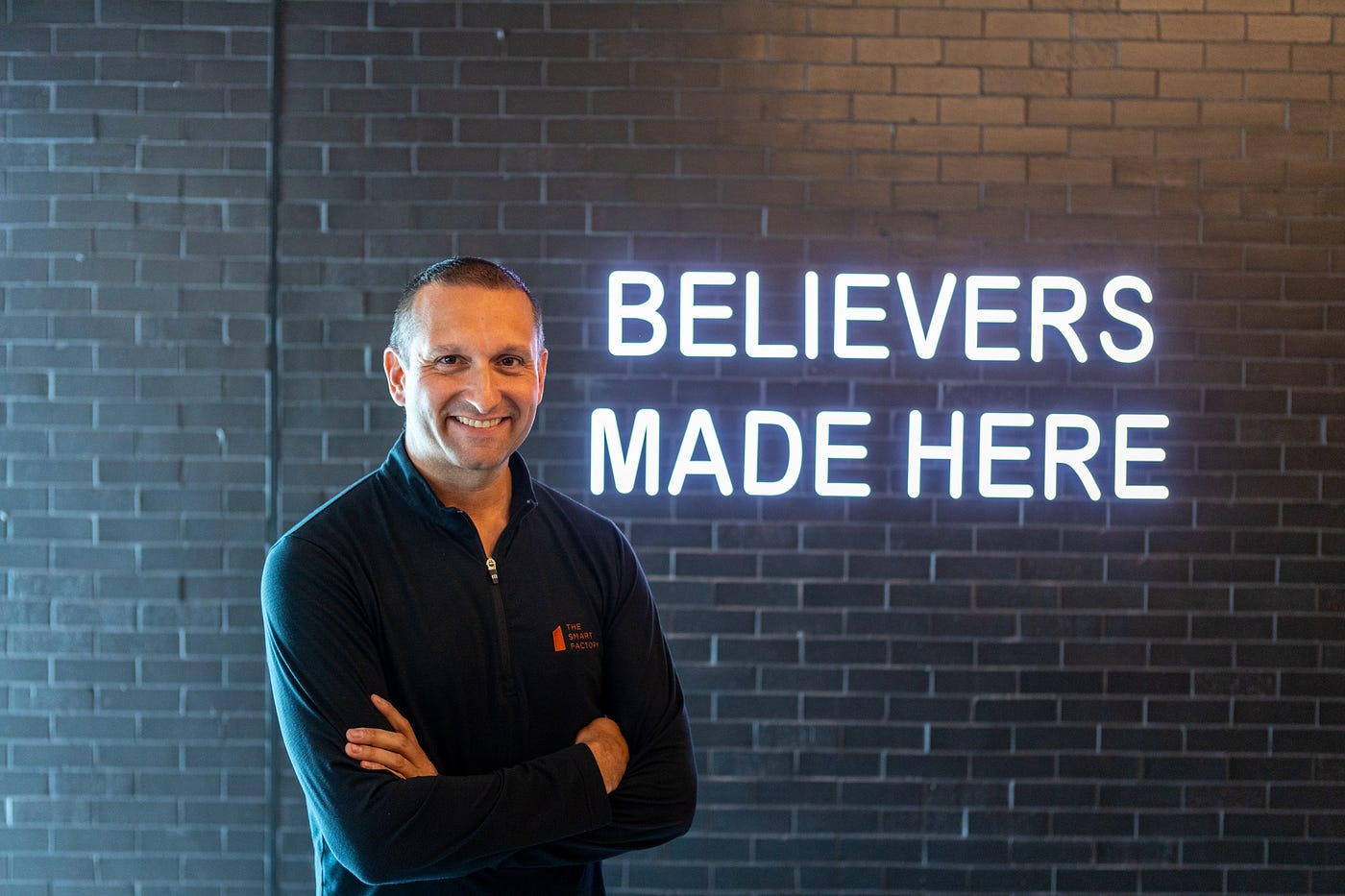
Alexander Simpson is implementing a new way of collaborative business practices in the finance world. With a mission to enable people with more financial empowerment, Alex has taken his journey from South Africa to Los Angeles, to New York, to take on Wall Street with a new type of weapon — LOVE. His weapon is infused with solid EQ, an open mind to help drive humanity forward, and immense energy. He believes that the set narrative of Wall Street and finance is built around ego, hardship and relentless ambition, and his mission is to help people tap into their true potential by becoming more collaborative and doing more effective altruism. Alex is passionate about assisting others to move from a place of scarcity and complacency to a place of abundance and love. He hopes that his work can make a meaningful impact on the world and help people move closer to their true potential.
Alex is creating and executing growth and turnaround strategies for global companies with a specialty in Financial Technology and has successfully helped raise over $400m in the FinTech space.
Thank you so much for your time! I know that you are a very busy person. Our readers would love to “get to know you” a bit better. Can you tell us a bit about your ‘backstory’ and how you got started?
All started through being raised by a wonderful, hard working single Mother who inspired me to take control of my destiny and playbook. She gave me a lot of resilience in life through the sacrifice she made to support me as a single mother which enabled me to take more control of my future and become comfortable with getting uncomfortable. This drove me towards entrepreneurship.
Can you share a story about the funniest mistake you made when you were first starting? Can you tell us what lessons or ‘take aways’ you learned from that?
Walking into a Bank and proposed a mobile POS solution without realizing that the bank had spent millions of dollars on the project with experts whilst I simply, and ignorantly, dived deep into explaining to them (as a 20-year-old) how they should build, market, and lay out their technology. It was a good laugh after they showed me how much had been done behind the scenes and set such good energy in the room even though there wasn’t potential or need to work together. Lesson learned — keep a sense of humor: It’s important to keep a sense of humor and not take mistakes too seriously. By maintaining a light hearted and positive outlook, you can prevent mistakes from becoming a source of stress and maintain your overall well-being.
Thank you for that. Let’s now shift to the central focus of our discussion. Extensive research suggests that “purpose driven businesses” are more successful in many areas. When your company started what was its WHY, its purpose?
Yes, Openstock. A business which helps open up liquidity for one of the largest untapped asset classes — private stock. By doing this in a way which makes it easier for people to get liquidity from this asset and helping them drive the finances responsibly and with some purpose to help others, I am fulfilling my purpose regarding enabling others financially.
Do you have a “number one principle” that guides you through the ups and downs of running a business?
Ignore expectations and narratives to avoid dissapointment, focus on having the right energy around you, notice patterns in people and be honest with yourself regarding milestones.
If a fellow business leader would ask you for advice about whether to bootstrap or to look for VC capital, how would you help them weigh the pros and cons of that decision?
I did this assessment many times although it all depends on the types of investors you get and your goals regarding maintaining decision making power. Here are some thoughts:
Bootstrapping:
Pros:
- Total control and ownership: Since the founder(s) are financing the business themselves, they retain full control and ownership of the company.
- Flexibility: Without outside investors, the business has more flexibility to pivot or change direction if needed.
- Faster profits: Since the business is not incurring debt, it can reach profitability faster.
Cons:
- Limited resources: Bootstrapping can limit the resources available to the business, making it harder to scale or make major investments.
- Slow growth: Without significant outside capital, the business may grow at a slower pace.
- Opportunity cost: By not taking on outside investment, the business may be missing out on opportunities to grow faster or enter new markets.
VC Capital:
Pros:
- Significant capital: Taking on outside investment can provide the business with significant capital to scale quickly and make major investments.
- Valuable connections: VCs often bring valuable connections and expertise to the table, which can help the business grow and succeed.
- Increased credibility: Receiving investment from a reputable VC can increase the credibility of the business and make it easier to attract future investments or partnerships.
Cons:
- Loss of control and ownership: Taking on outside investment means giving up a portion of control and ownership of the business.
- Increased pressure: With outside investors, the business may face increased pressure to deliver results and grow quickly.
- Dilution of equity: Taking on outside investment dilutes the equity of the founder(s), reducing their overall stake in the business.
- In conclusion, both bootstrapping and seeking VC capital have their pros and cons, and the decision will ultimately depend on the goals and circumstances of the business. It’s important for business leaders to carefully consider their options and weigh the potential risks and benefits before making a decision.
What measure do you use to determine the value of a company? What advice would you give to other leaders about how to get an optimal evaluation of their business?
There are several metrics that can be used to determine the value of a company, including:
- Earnings multiples: This measures the value of a company based on its earnings compared to its market capitalization or enterprise value. The most commonly used earnings multiple is the price-to-earnings (P/E) ratio.
- Book value: This measures the value of a company based on its net worth, or the difference between its assets and liabilities.
- Revenue multiple: This measures the value of a company based on its revenue compared to its market capitalization or enterprise value.
- Discounted Cash Flow (DCF) analysis: This measures the value of a company based on its future cash flows, discounted to present value.
To get an optimal evaluation of their business, leaders should consider the following advice:
- Keep accurate financial records: Accurate and up-to-date financial records are essential for obtaining an accurate valuation.
- Maintain consistent financial performance: Companies with a strong and consistent financial track record are more likely to receive higher valuations.
- Focus on growth: Companies with strong growth potential are more likely to receive higher valuations.
- Diversify revenue streams: Companies with diversified revenue streams are less likely to suffer from market fluctuations and are therefore more likely to receive higher valuations.
- Build a strong brand: A strong brand can increase the perceived value of a company, making it more attractive to potential investors.
In conclusion, obtaining an accurate evaluation of a business requires careful attention to financial performance, growth potential, and overall market conditions. By focusing on these factors and working closely with financial professionals, leaders can put their businesses in the best position to receive a favorable valuation.
What would you advise to a founder who initially went through years of successive growth, but has now reached a standstill. From your experience do you have any general advice about how to boost growth and “restart their engines”?
Dont believe in narratives or compare yourself to others, follow the flow that feels least resistant with people, focus on your health and sleep, gain market feedback from customers before entering a new space and be around people who give you energy and drive. Energy is fuel and that comes in many forms ranging from social, physical, spiritial and more.
What are the most common finance mistakes you have seen other businesses make? What should one keep in mind to avoid that?
Underestimating the costs for legal and compliance and underbudgetting the costs to develop a technical product especially without having confirmed orders from clients upfront. It’s important to have a realistic understanding of all the costs involved in running a business, including fixed costs (e.g., rent, utilities), variable costs (e.g., materials, labor), and one-time costs (e.g., equipment purchases). Also, not having adequate financial reserves: A lack of financial reserves can lead to difficulty in weathering financial storms and can put the business at risk.

Ok, here is the main question of our discussion. Based on your experience and success, what are the five most important things one should know in order to succeed in the modern finance industry? Please share a story or an example for each.
Based on my training and the experiences of successful finance professionals, here are five of the most important things one should know in order to succeed in the finance industry:
- Understanding of Financial Markets: It’s important to have a deep understanding of financial markets, including different types of investments, financial instruments, and market trends. For example, a successful hedge fund manager might study market data and financial models to make informed investment decisions.
- Strong Analytical Skills: The ability to analyze data, identify trends, and make informed decisions is crucial in finance. For example, a successful private equity investor might use their analytical skills to identify undervalued companies with high growth potential.
- Networking and Building Relationships: Be genuine in this one and have low expectations… Networking and building relationships with industry leaders and stakeholders is crucial for success in finance. For example, a successful investment banker might build strong relationships with corporate clients and other stakeholders in order to secure and execute lucrative deals.
- Risk Management: In finance, it’s important to understand and manage risk in order to protect investments and maximize returns. For example, a successful risk manager might use financial models and simulations to assess and mitigate risk in their portfolio.
- Adaptability and Continuous Learning: The finance industry is constantly evolving, and it’s important to stay up-to-date with the latest trends, technologies, and regulations. For example, a successful financial advisor might attend industry conferences and regularly read financial news to stay informed and stay ahead of the curve.
In conclusion, success in the finance industry requires a combination of financial expertise, strong analytical skills, effective networking, effective risk management, and a commitment to continuous learning and improvement. By prioritizing these key skills and working hard to develop them, finance professionals can put themselves in the best position for long-term success.
Which tips would you recommend to your colleagues in your industry to help them to thrive and not “burn out”?
- Maintaining work-life balance: It’s important to find a balance between work and personal life to avoid burnout. This can involve setting realistic working hours, taking regular breaks, and engaging in activities outside of work that bring joy and fulfillment.
- Prioritizing self-care: Taking care of one’s physical, mental, and emotional health is crucial for avoiding burnout. This can involve regular exercise, getting enough sleep, eating a healthy diet, and seeking support when needed.
- Building a supportive network: Having a strong network of colleagues, friends, and family can provide a source of support and encouragement, helping to alleviate stress and prevent burnout.
- Setting achievable goals: Setting realistic and achievable goals can help prevent burnout by providing a sense of purpose and progress. It’s important to celebrate small victories along the way and avoid becoming too focused on perfectionism.
- Embracing flexibility: Being open to new challenges and opportunities can help finance professionals to stay engaged and motivated in their careers. This might involve taking on new projects, learning new skills, or pursuing new experiences.
Seeking support when needed: Finally, it’s important to recognize when stress and burnout are becoming a problem and to seek support from a mentor, colleague, or therapist. This can help to prevent burnout from becoming a serious issue and can help professionals to maintain their well-being and thrive in their careers.
You are a person of great influence. If you could start a movement that would bring the most amount of good to the most amount of people, what would that be? You never know what your idea can trigger. :-)
I would suggest that a movement focused on promoting financial literacy and education for all single mothers could have a significant positive impact on society. Single mothers have so much responsibility on their plate though a catalyst in the form of financial empowerment alongside their nurturing energy can produce a lot of magic!
Financial literacy refers to the knowledge and skills needed to make informed decisions about managing money, including saving, investing, and budgeting. Many people struggle with financial insecurity and debt due to a lack of financial literacy and education, and a movement focused on promoting financial literacy could help individuals and communities to achieve financial stability and security.
This movement could involve partnering with schools, non-profit organizations, and financial institutions to provide financial education programs and resources, including financial literacy courses, workshops, and online resources. By promoting financial literacy and empowering individuals with the knowledge and skills they need to manage their finances, this movement could help to reduce poverty, increase financial stability, and improve the overall well-being of individuals and communities.
How can our readers further follow your work online?
They may follow me on LinkedIn (https://www.linkedin.com/in/alsimpson1/) or see updates via my site (https://www.moonrise.fund/alexander-simpson).
This was very inspiring. Thank you so much for joining us! Thank you!
About The Interviewer: Jason Hartman is the Founder and CEO of Empowered Investor. Jason has been involved in several thousand real estate transactions and has owned income properties in 11 states and 17 cities. Empowered Investor helps people achieve The American Dream of financial freedom by purchasing income property in prudent markets nationwide. Jason’s Complete Solution for Real Estate Investors™ is a comprehensive system providing real estate investors with education, research, resources and technology to deal with all areas of their income property investment needs. Through Jason’s podcasts, educational events, referrals, mentoring and software to track your investments, investors can easily locate, finance and purchase properties in these exceptional markets with confidence and peace of mind.
Starting with very little, Jason, while still in college at the age of 19, embarked on a career in real estate. While brokering properties for clients, he was investing in his own portfolio along the way. Through creativity, persistence and hard work, he earned a number of prestigious industry awards and became a young multi-millionaire. Jason purchased a California real estate brokerage firm that was later acquired by Coldwell Banker. He combined his dedication and business talents to become a successful entrepreneur, public speaker, author, and media personality. Over the years he developed his Complete Solution for Real Estate Investors™ where his innovative firm educates and assists investors in acquiring prudent investments nationwide for their portfolio. Jason’s sought after educational events, speaking engagements, and his popular “Creating Wealth Podcast” inspire and empower hundreds of thousands of people in 189 countries worldwide.
While running his successful real estate and media businesses, Jason also believes that giving back to the community plays an important role in building strong personal relationships. He established The Jason Hartman Foundation in 2005 to provide financial literacy education to young adults providing the all-important real world skills not taught in school which are the key to the financial stability and success of future generations. We’re in a global monetary crisis caused by decades of misguided policies and the cycle of financial dependence has to be broken, literacy and self-reliance are a good start. Visit JasonHartman.com for free materials and resources.
JH
Written by
Jason Hartman
Editor & Journalist · Authority MagazineJason Hartman is a senior columnist at Authority Magazine covering Business and Tech, conducting primary-source Q&A interviews with founders, executives, and industry leaders.

Published inAuthority MagazineTop Lessons, Top Authorities · 42K Followers
Exclusive, curated interviews with the leaders and changemakers shaping tomorrow. Leadership lessons, industry deep dives, and executive profiles.