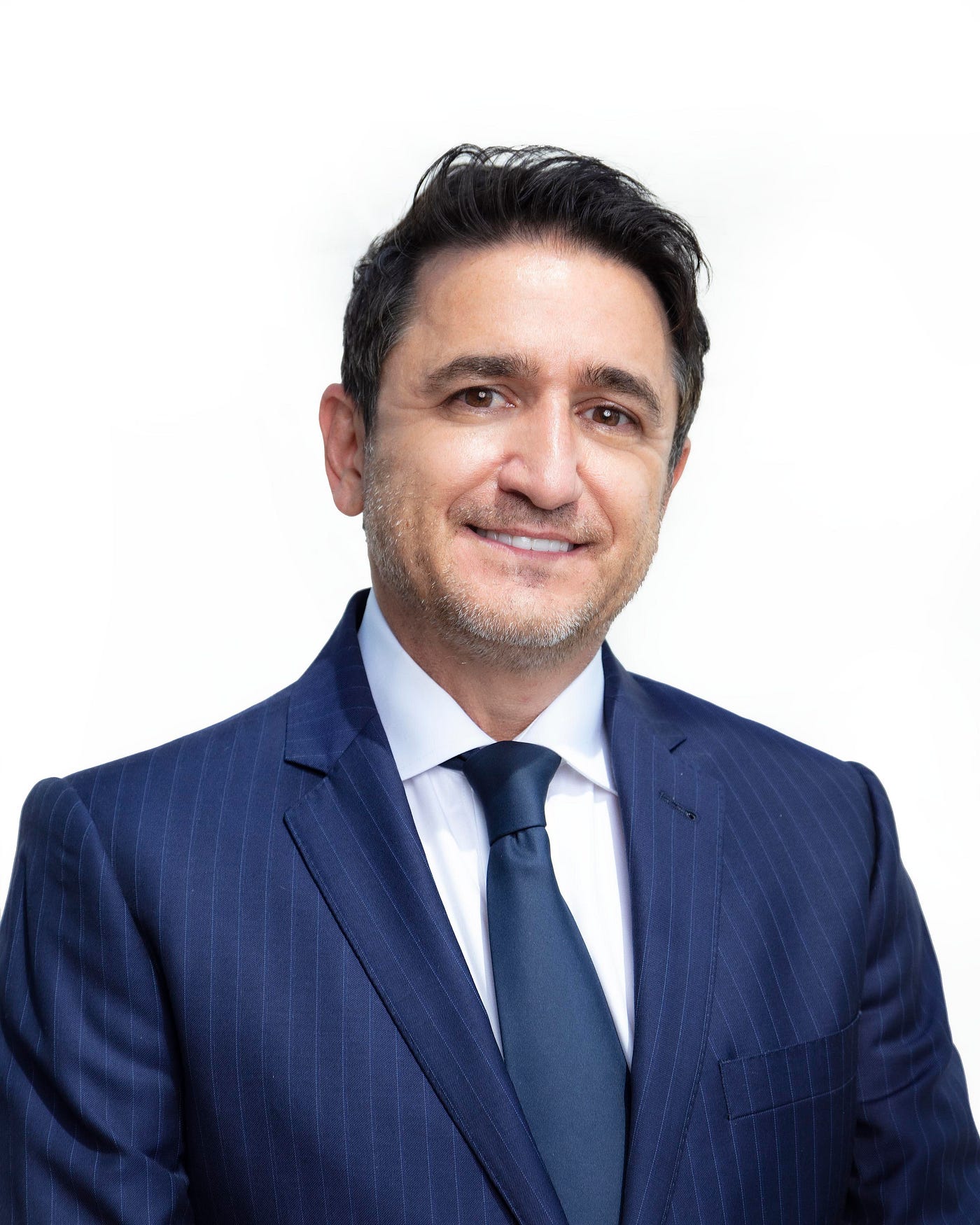
In today’s world we are inundated by concepts that are not entirely new; that being said, when approaching a project, you don’t need to reinvent the wheel, you just need to perfect it and add your own value to it.
Business
Alex Ekbatani of Tehran International Airport and instille: Market Pull Is the Only Viable Driver for Sustained Consumer Demand
The hospitality leader shares how global travel inspired his approach to brand development and why lifestyle brands succeed through magnetic market demand rather than aggressive pushing.
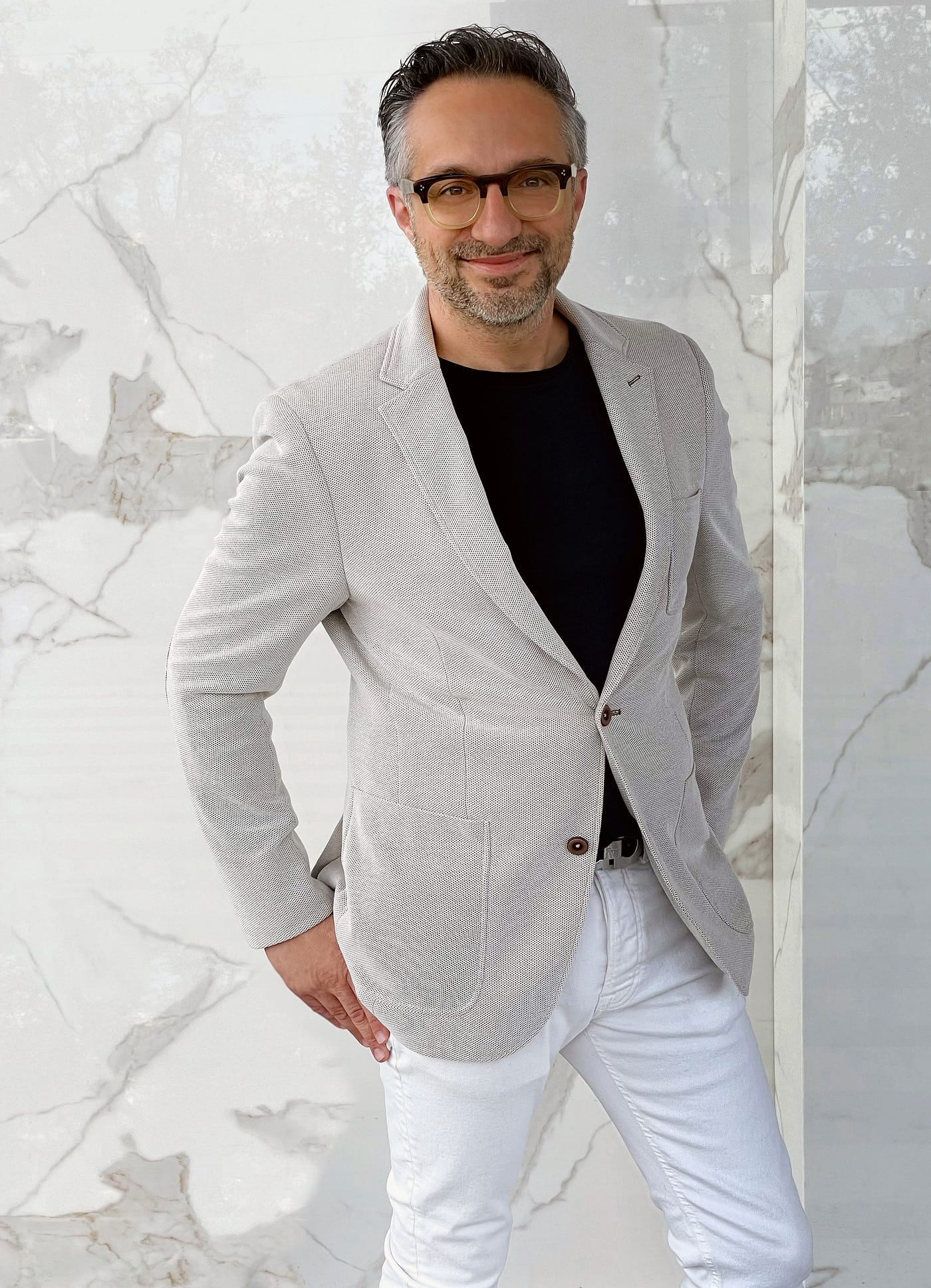
As a part of our series called “5 Things You Need to Know to Create A Very Successful Lifestyle Brand”, I had the pleasure of interviewing Alex Ekbatani, CEO ette hotels.
From a young age, Alex Ekbatani was influenced by his father who was CEO of Tehran International Airport and instilled a love of first class travel in Ekbatani. As a child, Ekbatani was whisked away on international trips to England, Germany, Belgium and Denmark. At the age of 10, he experienced a life altering visit to Japan, encompassing everything from Buddhist temples in Tokyo and Tokyo Disneyland to the salty seas of Nishiki Beach, South of Osaka. The journey provided Ekbatani with a deep appreciation for architecture, entertainment and nature.
Thank you so much for doing this with us! Before we dive in, our readers would love to learn a bit more about you. Can you tell us a bit about your “childhood backstory”?
As a child, I was whisked away on international trips to European countries. Some of my favorite trips were to England, Germany, Belgium and Denmark. At the age of 10, I experienced a life altering visit to Japan, encompassing everything from Buddhist temples,Tokyo Disneyland and the salty seas of Nishiki Beach, South of Osaka. The journey provided me with a deep appreciation for architecture, entertainment and nature.
Can you tell us the story of what led you to this particular career path?
After selling my branding company in 2009, I wanted to get into a field that was no longer business to business. I was looking for a path that allowed me to develop global brand recognition and that drew me to the hospitality industry. This venture has allowed me to build a strong consumer brand recognition, which has always been my dream, and provided a stable investment.
My love of travel also reinforced this venture. As a five star traveler, I had circled the globe several times over, embarking on these experiences greatly helped the direction and focus of this lifestyle brand.
Can you share a story about the funniest mistake you made when you were first starting? Can you tell us what lesson you learned from that?
The funniest mistake I made in business was I went to a meeting a day early. I was calling my supplier wondering where they were? It wasn’t too bad, as I ended up having a great lunch and ran across an old friend, but it is safe to say, I now always double check my calendar.
Is there a particular book, podcast, or film that made a significant impact on you? Can you share a story or explain why it resonated with you so much?
“The 22 Immutable Laws of Branding’’ by Al and Laura Ries immediately comes to mind as it is one of the best books I have ever read. It is indispensable to anyone trying to build a brand or establish a successful company. It is to the point and factual for any brand application. I find myself applying all 22 laws in my day-to-day with my clients and myself, and it has proven successful, as I’ve seen striking results.
It has been a guiding source, much like a manifesto for me, when I establish or rebuild any brand. The 22 laws are timeless and easy to adapt to any consumer behavior or social technological change.
Can you please give us your favorite “Life Lesson Quote”? Can you share how that was relevant to you in your life?
“The secret of success is to do the common thing uncommonly well.” By John D. Rockefeller Jr. This has been one of my pillars to success. In today’s world we are inundated by concepts that are not entirely new; that being said, when approaching a project, you don’t need to reinvent the wheel, you just need to perfect it and add your own value to it.
How do you define a Lifestyle Brand? How is a Lifestyle Brand different from a normal, typical brand?
A thoughtfully curated brand promotes a lifestyle that aligns with the product, creating a space for the product to live organically. As opposed to a typical brand which strictly focuses on the product or service and directly pushes the brand.
What are the benefits of creating a lifestyle brand?
Creating a lifestyle brand makes for a much easier sell. Consumers have a much higher acceptance for a lifestyle brand as it promotes a way of being that is in-line with their vision. The key is to create an aspirational lifestyle which innately sells the product.
In your opinion, what is an example of a company that has done a fantastic job building a believable and beloved Lifestyle Brand? What specifically impresses you? What can one do to replicate that?
I would say Red Bull has done a fantastic job selling their product and associating it with an adrenaline seeking lifestyle. The brand has gone out of their way to sponsor extreme sporting events which has in turn created a lifestyle for their product to live in.
One needs to focus on what their product/service represents and parallel that with lifestyle you wish to associate with.
Can you share your ideas about how to create a lifestyle brand that people really love and are ‘crazy about’?
Lifestyle brands are all about Market Pull (demand by people) and not Market Push (advertising and pushing the product or service to the people). As such, a lifestyle brand must align with what the market and the society demands. This could be anything from trend association to lifestyle choices. Lifestyle brands become magnetic when done right. Lululemon demonstrates this well by aligning themselves with a holistic lifestyle. A brand must tap into a lifestyle demand and the demand will then be the driver of the product or service.
What are the common mistakes you have seen people make when they start a lifestyle brand? What can be done to avoid those errors?
- Lack of focus: You must never lose sight of your brand as the product or service line expands, the effectiveness tends to drop. Alway make time to have team meetings in which the brand ethos is discussed.
- Developing a lookalike brand: To have maximum impact you must be the first in your lifestyle category.
- Your brand must be true to your lifestyle representation: You must align your brand with the lifestyle that best fits your narrative and your target consumer.
Let’s imagine that someone reading this interview has an idea for a lifestyle brand that they would like to develop. What are the first few steps that you would recommend that they take?
- Invest time in understanding and identifying your lifestyle segment and its drivers.
- Identify your product positioning with respect to your lifestyle segment and its demand drivers.
- Explore the possible market channels to penetrate your lifestyle category most effectively.
What are your “5 Things You Need To Know To Create A Very Successful Lifestyle Brand” and why? (Please share a story or example for each.)
1. You need to define the lifestyle that you want to target. For example, Ikea is not another furniture shop, they have distinguished themselves from the pack by creating a lifestyle around their product. Simple, stylish furniture at low prices.
2. Create content that resonates with your audience. Red Bull parallels extreme sports with their brand, seamlessly associating their high energy drink to an adventurous and fearless lifestyle.
3. Sell the lifestyle and the product will follow. Thoughtfully develop your lifestyle culture, align your brand with the same caliber of partnerships and activations and your message will amplify. Nike associates themselves with a ‘Just do it’ mentality creating a space for athletes to become the best version of themselves.
4. Align yourself with similar brands. Maximize the strength of your brand by partnering with a lifestyle brand that gives off the same message and lives in the same space. A great example would be Starbucks and Spotify; they both market to a large audience and are part of people’s everyday life.
5. Leave price out of your lifestyle brand and focus on value. Just like Apple or Tesla they focus on delivering a lifestyle that ensures maximum value. This mentality is built into their products. When value is prioritized you sell a lifestyle and not just a product or service.
Is there a person in the world, or in the US, with whom you would love to have a private breakfast or lunch, and why?
It would be Elon Musk, I would love to engage him on my next generation hospitality concept to be situated in the orbit. Stay tuned!
Thank you for these fantastic insights. We greatly appreciate the time you spent on this.
CV
Written by
Chef Vicky Colas
Editor & Journalist · Authority MagazineChef Vicky Colas is a contributing interviewer at Authority Magazine covering Business and Tech, conducting primary-source Q&A interviews with founders, executives, and industry leaders.

Published inAuthority MagazineTop Lessons, Top Authorities · 42K Followers
Exclusive, curated interviews with the leaders and changemakers shaping tomorrow. Leadership lessons, industry deep dives, and executive profiles.