In 1992 I decided to rent a small van and drive up and down California with our suit and sportscoat samples to try and open up some new retail store accounts.
Business
Alan Victor on Family Heritage, Cold Calling in California, and Attention to Detail
Alan Victor, third-generation leader of Jack Victor, shares how decades of hands-on experience, rigorous work ethic, and relentless attention to detail drive success in menswear.
In our series called, “5 Things You Need To Lead a Successful Fashion Brand Today” we are talking to successful leaders of fashion brands who can talk about the Future of Fashion and the 5 things it takes to lead a successful fashion brand in our “new normal.”
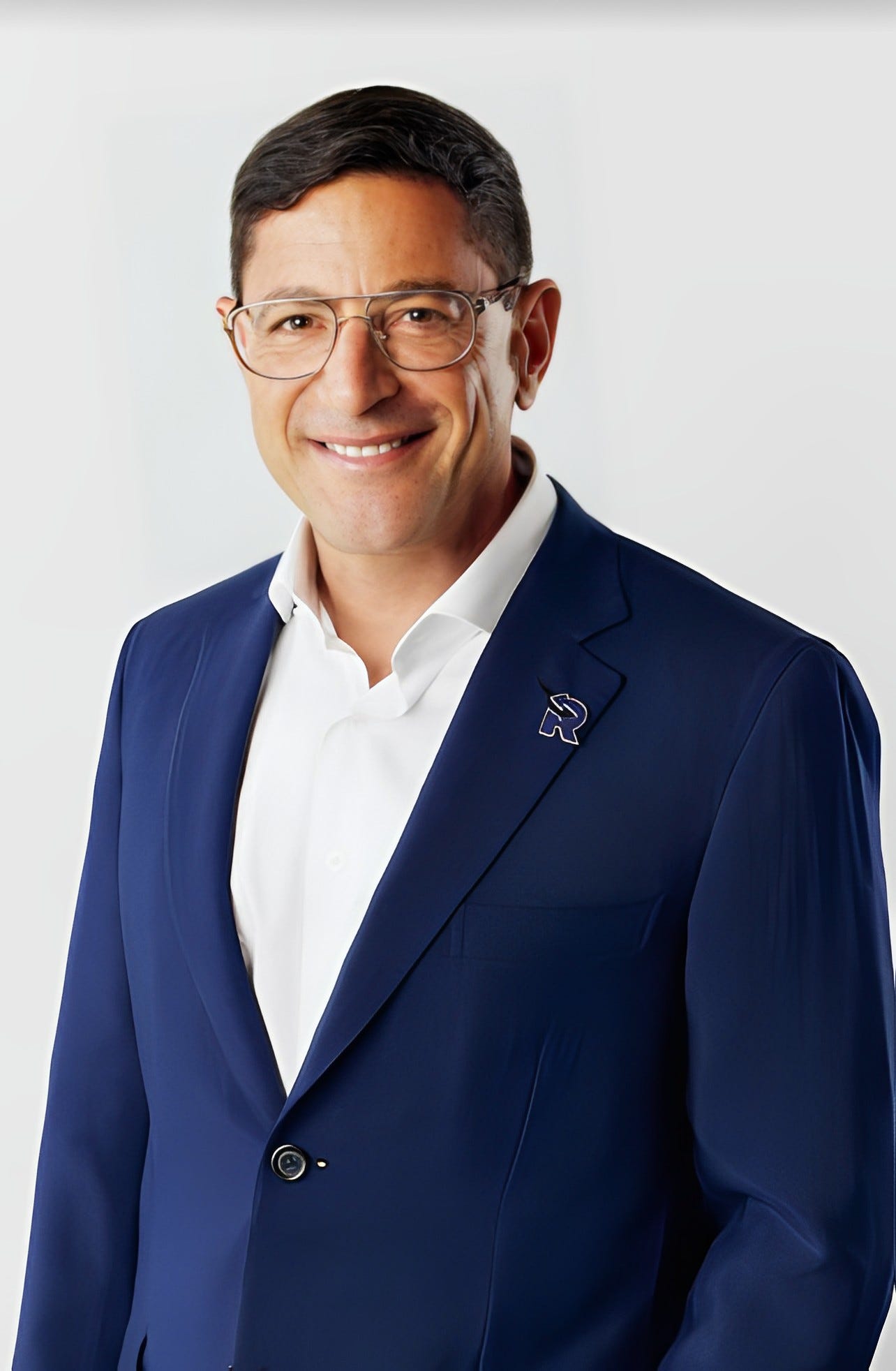
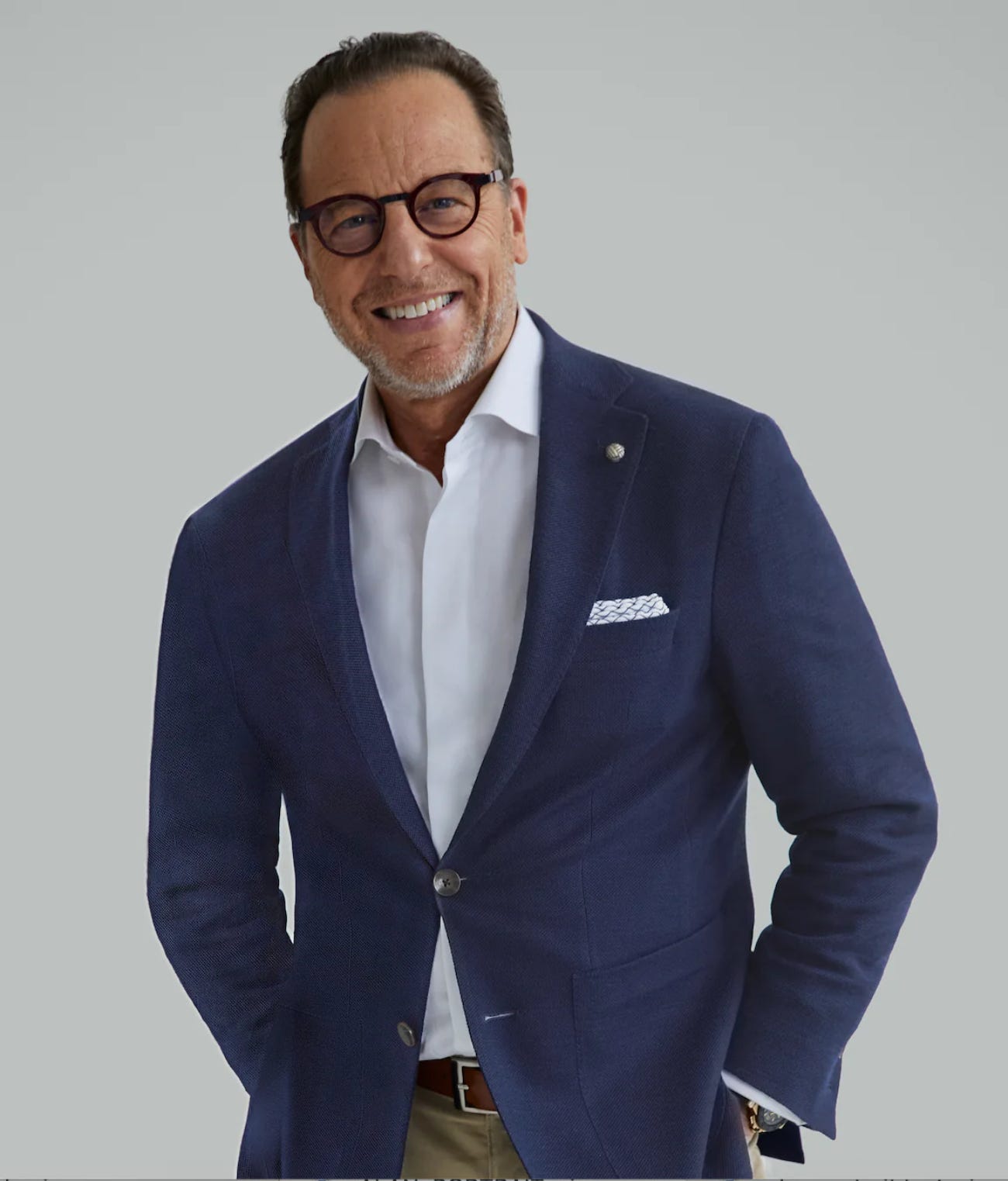
As a part of this series, I had the distinct pleasure of interviewing Jack Victor CEO, Alan Victor.
Alan Victor is a third-generation leader of his family’s men’s fashion business, headquartered in Montreal, Canada. A US/Canadian dual citizen, he has worked in multiple industries (real estate/energy/consumer products/apparel) on both sides of the border during a career that has spanned six decades.
Thank you so much for doing this with us! Before we dig in, our readers would like to get to know you a bit more. Can you tell us a bit about your childhood “backstory”
I can’t say I came up in life the hard way, because the truth is I was very fortunate to have had a privileged, suburban upbringing. But my parents both grew up during the Great Depression, so nothing was taken for granted. They instilled a very solid work ethic in my sister and myself, and we both worked outside the family clothing business and supported ourselves independently as young adults. My father was the second generation to run the family business, and when we were young, he would talk to us every evening at dinner about the challenges he had and how difficult and competitive the industry was. I think his message was that the business world was a place where only hard work and superior effort would suffice, and where you could never sit back and coast. He worked 6 days a week and would take business calls in the evening at home. He set a very strong example and his lessons and values have stayed with me.
Can you tell us the story about what led you to this career path?
I was exposed to the family business at an early age and worked in the office and factory on a part time basis through high school and college. But in my early twenties I wanted to strike out on my own, so I moved to Los Angeles and spent 13 wonderful years there studying and working in three different industries. I received a fantastic graduate business education at UCLA and then after that Loyola Marymount law school. I was also fortunate to have worked under some very bright and capable mentors. The years were passing by quickly, and I realized that my window to join the family business would eventually close. So, at age 35 I made the decision to see if Jack Victor was somewhere I could be happy and fulfilled. I moved back to Montreal and told my father that he had my commitment for one year. That was 34 years ago and I have no regrets! Men’s fashion is a dynamic, fast-paced industry and as a CEO there are innumerable stimulating aspects to the work. It challenges me on so many levels, and I don’t know where else I would have enjoyed such a rewarding career.
Can you share the most interesting story that happened to you since you began your career?
It’s hard to pick just one, but personally I love the sales stories the most! In 1992 I decided to rent a small van and drive up and down California with our suit and sportscoat samples to try and open up some new retail store accounts. There was no internet in those days, so I bought a book called ‘The Salesman’s Guide’ which listed all the men’s clothing stores in the state and gave you their phone numbers and addresses. Almost no one in California had heard of our company or brand back then, so I would drive into a town, park and “cold call” the store owner, telling him who I was and ask if I could come over and show him my collection. Usually they would say “I can give you 5 minutes” or something similarly discouraging. So, I would walk in a try to make a sale. No school can ever teach you the valuable lessons you learn doing that. One evening I pulled into San Luis Obispo and noticed that there was a small clothing boutique inside the famous Madonna Inn. It was around 7 pm and I walked up to the front desk and asked if the store’s buyer was available. They told me to wait in the lobby, and a few minutes later I was brought back into their restaurant where I was introduced to the buyer, who happened to be the owner, Alex Madonna. He was having dinner in a booth with his wife, and he asked me to sit down and tell him why I was visiting. After he heard my pitch, he said “Alan, you look like a nice young man, but you’ve been on the road all day and you must be hungry… have some dinner and after that we can look at your line.” I will never forget the delicious hamburger they served me, and after that he bought some sportscoats for his store and insisted that I stay the night in his fabulous and world-famous hotel, all with his compliments. I had no idea that Alex was a legendary figure on the Central Coast. Perhaps he identified with a young person trying to build a career, but whatever the reason, he treated me like family. I left the next morning thinking to myself how lucky I was to be in a business where you could meet such people.
You are a successful business leader. Which three-character traits do you think were most instrumental to your success?
Integrity is so important. Without a strong reputation, a business leader can’t recruit, develop successful partnerships, or convince customers to buy your products. A solid work ethic and perseverance would come next because you set the tone for your team, and you can’t keep up with competition without hard work. There will always be people who point out difficulties or reasons that new ideas won’t work. A leader needs to push hard through those objections. Finally, entrepreneurs must take reasonable risks to be successful. So being flexible, curious, and open to new ideas and directions is important; it keeps your team excited and motivated and challenged.
Can you please share a story or example for each?
What do you think makes your company/brand stand out in menswear?
As a company, I would say we differentiate ourselves through senior management’s persistent attention to detail in everything: products, process, and people. We also have a culture that values selling and customer service. We tell stories about our sales successes and put our sales champions up on a pedestal. We do this not just to pat ourselves on the back, but also because we really believe that they are also helping our customers achieve their own goals in life. And we move fast: it’s a lean organization and we make decisions quickly- which is a competitive advantage. As a brand, it’s our family heritage of 110 years; our Montreal-inspired spirit that combines European and North American fashion; a passion for “everyday luxury”, which means elevated selections that are accessible and realistic; and a collection that consistently evolves.
Can you share the key reasoning or a story that defines that thinking?
We have a rack of suits and sportscoats that are taken out of our factory production on a random basis daily, and wheeled into our executive offices. Our senior managers walk by and look it over every day. This is the way we stay close to the products we are selling and delivering. When we spot issues, we call down the production team and deal with them right away. It’s the perfect example of our “hands on” culture.
Do you have a favorite “Life Lesson Quote”?
One of my favorites is “Business is a wonderful basis for friendship, but friendship is terrible basis for business”. Also, I am big believer in reading the Wall Street Journal every day, or at least the front page. It’s a routine or “Life Habit” that will pay you back handsomely.
Can you share a story of how that was relevant to you in your life?
I think we all have a story of a friend who wanted to partner up, or recommended a business opportunity or a stock to buy and the situation didn’t work out. You can lose a friendship so easily. On the other hand, I have some wonderful friendships that were initially developed through business.
Ok, now jumping to the primary focus of our interview. Do you see any fascinating developments emerging over the next few years in the [men’s] fashion industry that you are excited about? Can you tell us about that?
There is always something new coming around the corner in men’s fashion! That’s what keeps us on our toes and makes this such an enjoyable industry to work in. Our fabric suppliers inspire us every year through the Research and Development they do. Most recently we are seeing the success of newly created knitted fabrics, from which we are now able to make much more comfortable tailored clothing. New technology in spinning and weaving leads to the introduction of finer fabrics and more complex structures and compositions. These trends will continue to influence menswear. I also think that men’s fashion may be beginning a generational change from the era of two-button, slim-fitting tailoring. These changes still take a lot of time to work their way into the commercial market, but I can see that double-breasted clothing is resonating much more today. I would not be surprised to see more relaxed silhouettes become more prevalent in the next 5 years. I am not talking about runway fashion, where these trends have been visible for years; I am talking now about what will be sold successfully in North American department and specialty stores.
Can you share how your brand is helping to bring “goodness” to the world? Labor/workforce, sustainability, charity, upcycling, equalizing pay / playing fields etc. etc. — any you define as your best assets and gifts
With our own manufacturing facility based in Montreal, Canada for 110 years, Jack Victor is the only local tailored clothing production remaining downtown. We are fortunate that hydroelectric energy is the sustainable energy source for 95% of our needs at this facility, and we are working on a way to offset the remaining 5%. In 2022, we completed our first CDP climate change questionnaire, measuring our environmental impact. We have now identified the issues and opportunities presented by our footprint and can work on managing them.
Our 200,000 square feet facility continues to welcome over 800 people daily in unionized manufacturing jobs that have otherwise disappeared from our sector. We have continued to support local families including through COVID closings. In those days when demand for tailoring was almost non-existent, we transitioned our production to medical gowns needed for Canadian health workers. Our workforce enjoys a benefits package and we have implemented pay equity practices for many years. We would like to hire even more people, and we are encouraging our local governments to expand immigration from developing countries. We will definitely train new arrivals if we can find them!
The Jack Victor Foundation, established in Montreal by my father Herschel Victor just celebrated its 40th Anniversary. The first in our family to receive a college degree, he greatly valued education as a critical element for a better life, crediting his experiences at McGill University as a key factor to his personal and business success. A cornerstone of the foundation has always been education in addition to the local community and health related causes.
Can you share with our readers about the ethical standards you use when you choose where to source materials?
Our Italian fabric suppliers have very high standards in their operations regarding labor protection and product sustainability. A lot of the fabrics we use are approved by international organizations which certify the standards for sustainability and humane practices towards animals. In general, we are very careful in only selecting overseas vendors with excellent reputations, and we qualify them through expert, experienced local agents
Fast fashion has an advantage, that it is affordable for most people, but it also has the drawback that it does not last very long and is therefore not very sustainable. What are your thoughts about this? How does your company address this question as a leader in more durable, crafted premium garments?
Every consumer has a budget, so fast fashion has its place in the market. It’s true that those products need to be replaced more quickly, so players in that segment need to find solutions like encouraging more recycling. Fortunately, in the upper premium/everyday luxury market, we are more discriminating in our selection of quality materials and in how we assemble the products.
Main question of our interview. What are your “5 Things You Need to Lead a Successful Fashion Brand”. Please share a story or example for each.
- Talent is probably the number one need. Ultimately business is about people, and the effort, creativity, initiative, and character that they bring to their jobs. This applies to every job in the organization. When I look at a company’s financial statement, those numbers are just a reflection of how well the team there did their job. So, to lead a company, you must be able to assess talent and put the best people in the right jobs.
- Culture is how you allow people to perform at their highest level. You can have a great team, but your culture can’t demoralize or slow them down. Your culture has to allow them to flourish.
- Technology today is critical to every company’s success. Your people need timely, accurate information to function at a high level. Fashion companies are no exception. They need great systems, processes, and software.
- You need to have a vision for where you want the organization to go, and you need to communicate it to your team in a way that shows your own commitment and desire. They aren’t going to want to do it unless they see you mean it.
- In our business, you need good taste. You need to have a sense for what is beautiful and attractive and what is not. I’m talking about looking at products and being able to assess colors, proportions, textures, and details. Some people think you have to be born with that, but personally I don’t agree. I think that you can train your eyes and you can acquire a lot of knowledge from asking experts the right questions. I visit a lot of museums, and I love looking at art. I had no formal training in any of those areas, but I think I can spot great products when I see them, and I can tell you why.
Every industry constantly evolves and seeks improvement. How do you think the fashion industry can improve itself? Can you give an example?
I happen to believe that the free market is a great instrument to spur improvement. Competition forces us to get better, and we are a highly fragmented industry so there are plenty of players. But sometimes we need to adjust priorities, so for example the fashion sector has now strongly embraced the need for diversity and inclusion. In my company we have made significant strides, but that’s an area still open for industry improvement.
You are a person of great influence. If you could start a movement that would bring the most amount of good to the most amount of people, what would that be? You never know what your idea can trigger. :-)
In my opinion education is ultimately the source of all progress and prosperity for humanity. Any movement to increase access and raise the quality of education will improve lives. I’m not saying that everyone has to go to college, but there are millions of lives that can be bettered by more and improved education. I realize this is a very general statement, and the specifics of achieving that worthy objective for a planet of 8 billion people are complex.
How can our readers further follow your brand digitally / socially and online?
They can visit us at Jackvictor.com , Facebook is @jackvictorclothing and at our Instagram account @jackvictorofficial
Thank you for your insights. We greatly appreciate the time you spent on this.
AM
Written by
Authority Magazine Editorial Staff
Editorial Desk · Authority MagazineThe Authority Magazine Editorial Desk produces, verifies, and edits long-form primary-source interviews with executives, innovators, clinicians, creators, and social impact leaders across Business, Tech, Pop Culture, Wellness, and Social Impact.

Published inAuthority MagazineTop Lessons, Top Authorities · 42K Followers
Exclusive, curated interviews with the leaders and changemakers shaping tomorrow. Leadership lessons, industry deep dives, and executive profiles.